LED Bulb Lifespan: What to Expect Over Time
Understanding the lifespan of LED bulbs helps you make smarter lighting choices and save money over time. Modern lighting technology has transformed how we illuminate our homes and workplaces by offering unprecedented longevity compared to traditional options. When you invest in quality lighting, it’s crucial to know what to expect from your purchase for planning replacements and budgeting.
If you’re new to LED technology, check out our beginner’s guide to LED bulbs to learn how they work and why they last so long.
Quick Answer
Quality LEDs can last for years, but their lifespan is determined by heat, power quality, and design.
- Check L70 ratings.
- Avoid trapped heat.
- Use stable power.
- Choose quality drivers.
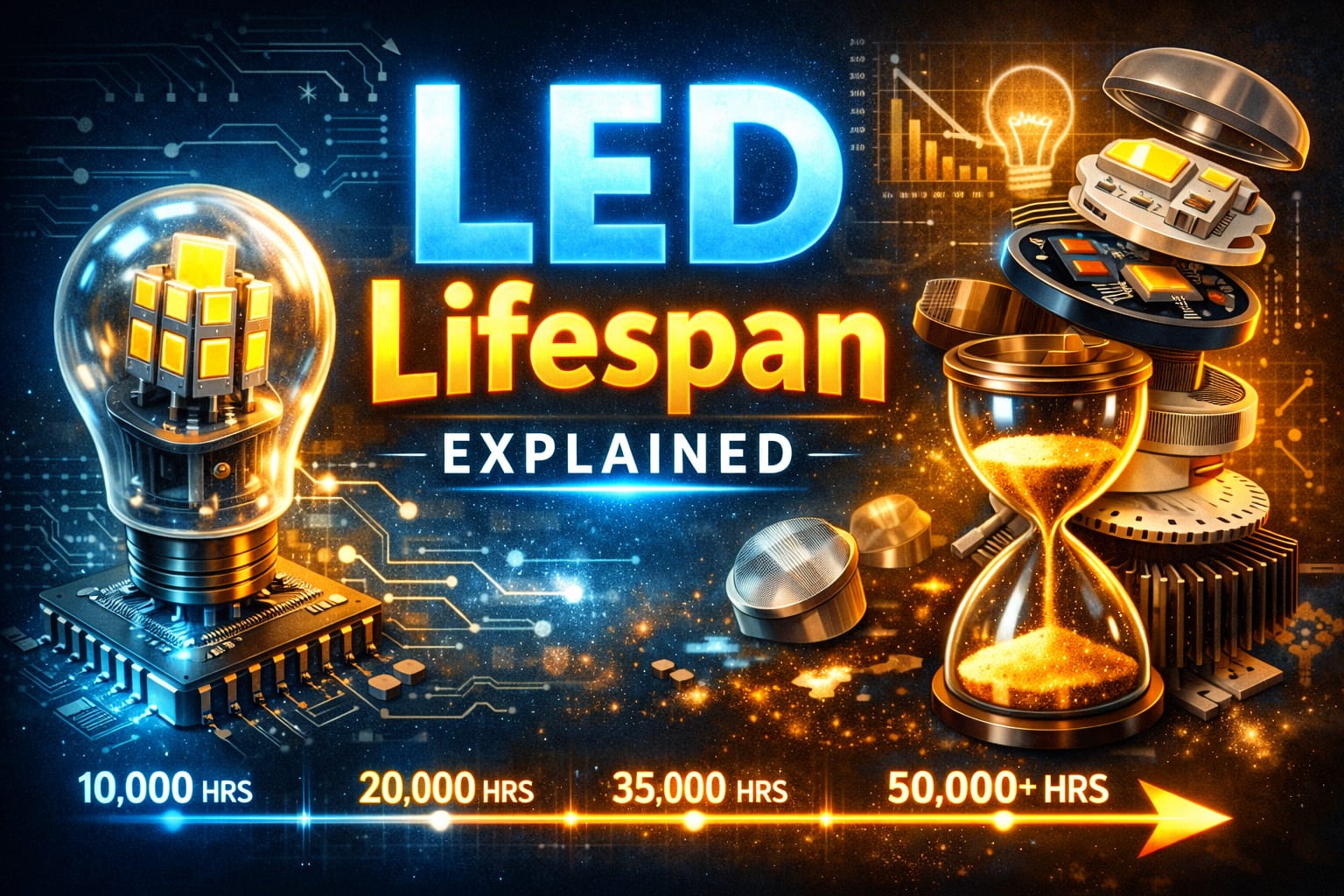
Table of Contents
Understanding the Basics
The concept of an LED bulb’s lifespan differs fundamentally from that of traditional incandescent or fluorescent bulbs. Unlike older technologies that burn out suddenly, LED bulbs gradually degrade over thousands of hours. This means your lighting fixture will continue to work, but it will produce less brightness over time. Manufacturers carefully measure this decline to provide consumers with accurate expectations.
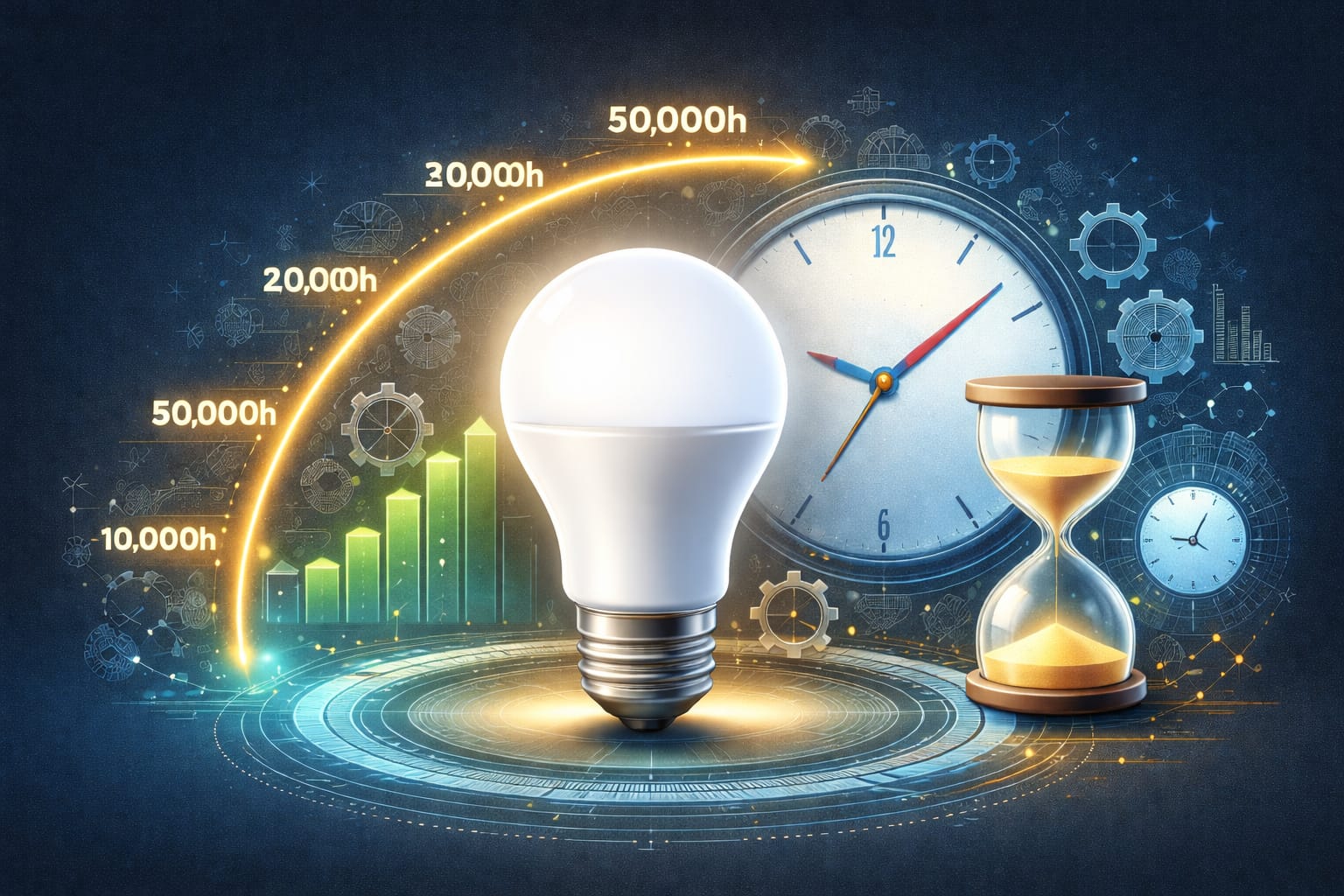
Most quality products use a standard measurement called L70, which indicates the point at which the brightness drops to 70 percent of the original output. This benchmark allows buyers to compare different products fairly and determine when replacement is necessary. The LED rated life is typically displayed on packaging as a specific hour count ranging from 15,000 to 50,000 hours, depending on construction quality and intended application. It’s important to understand that a product’s lifespan is not only about failure but also about brightness loss over time, as explained in this LED light degradation guide.
Temperature management plays a critical role in determining how long LEDs last in practical settings. Internal components generate heat during operation, and excessive thermal buildup accelerates the degradation of delicate semiconductor materials. Proper fixture design incorporates heat sinks and ventilation channels that effectively dissipate warmth, protecting sensitive electronics from premature failure.
Manufacturer Ratings Explained
Manufacturers test products under controlled conditions that may not reflect your home environment perfectly. These ratings assume ideal operating temperatures, a stable voltage supply, and moderate usage patterns, which extend product longevity beyond stressed conditions.
Understanding test methodologies helps you evaluate marketing claims more critically. Companies use accelerated aging tests with elevated temperatures and continuous operation cycles to estimate LED light longevity without waiting decades for real-world results. Professional manufacturers estimate these lifetimes using standardized procedures, including LM-80 measurements and TM-21 projections, which are used to predict long-term lumen maintenance. Statistical models then extrapolate this data to estimate performance under normal residential or commercial conditions.
In homes with unstable power, voltage spikes can shorten the lifespan of LEDs and cause inconsistent light output. This is important because repeated electrical stress can damage internal components over time. One practical solution is to use a surge protection device, which helps stabilize brightness and protect sensitive electronics from long-term wear.
Real-World Performance Factors
The actual lifespan of an LED bulb depends heavily on the installation environment and daily usage habits. For example, a fixture installed in a climate-controlled office with consistent eight-hour workdays will perform differently than one subjected to outdoor temperature extremes and irregular switching patterns. Environmental stressors such as humidity, dust accumulation, and vibration accelerate wear on electronic components.
Geographic location also affects longevity due to ambient temperatures and seasonal variation. Products installed in consistently cool environments often exceed manufacturer estimates, while those in hot attics or enclosed fixtures may fall short. Understanding these variables helps set realistic expectations for your specific situation.
Heat’s Impact on Longevity
Thermal management is the most important factor affecting how long LEDs last in continuous service. Semiconductor junctions within these devices only operate efficiently within specific temperature ranges. When ambient heat combines with self-generated warmth, internal temperatures can climb beyond safe thresholds, triggering the rapid degradation of phosphor coatings and driver circuitry.
Check enclosed-fixture ratings before installing bulbs in tight housings.
Enclosed fixtures present a particular challenge because they trap heat around the bulb base, which houses critical electronics. Many products carry warnings against use in such installations to prevent premature failure due to overheating. Selecting models rated for enclosed spaces ensures adequate thermal protection through enhanced heat sink designs.
According to research from the Department of Energy, operating temperature directly affects LED rated life. For every ten-degree Celsius increase above optimal conditions, expected longevity decreases by approximately thirty to forty percent. This relationship underscores the importance of proper ventilation and appropriate fixture selection for maximizing your investment. Proper thermal management is key, which is why understanding LED heat sink cooling is important for explaining why some bulbs fail earlier than expected.
Quality differences matter
The market offers enormous variation in LED bulb lifespan across different price points and brands. Premium manufacturers invest in superior components, rigorous quality control, and conservative rating systems that deliver reliable performance. Budget alternatives often cut corners on driver electronics, heat management, and testing protocols to reduce manufacturing costs.
The quality of the driver circuitry significantly impacts the overall longevity of the product because these components regulate the delivery of power to the semiconductor chips. High-quality drivers include surge protection, thermal monitoring, and stable current regulation to protect delicate LEDs from electrical stress. In contrast, cheap drivers lack these safeguards, resulting in more frequent early failures despite using identical LED chips.
Third-party certifications, such as ENERGY STAR or DesignLights Consortium listings, can provide valuable insight into product quality. These programs require independent testing and verification of manufacturer claims, giving buyers confidence that the stated longevity of LED lights reflects genuine performance capabilities rather than exaggerated marketing.
Usage patterns and cycles
How frequently you turn lights on and off affects the lifespan of LED bulbs differently than it does older technologies. Unlike fluorescent tubes, which suffer significant stress during startup, modern solid-state lighting can handle switching cycles with minimal impact. This characteristic makes LEDs ideal for applications requiring frequent activation, such as motion sensor installations or closet lighting.
However, the power-on surge creates momentary stress on driver components, which accumulates over time. Products designed for commercial applications usually have enhanced circuitry that can withstand tens of thousands of switching events without significant degradation. Residential models may use simplified drivers that perform adequately under typical home usage patterns but struggle with heavy cycling.
The difference between continuous operation and intermittent use presents interesting trade-offs regarding how long LEDs last in different scenarios. Twenty-four-hour industrial installations quickly accumulate operating hours but maintain stable temperatures. Residential fixtures with short duty cycles never reach thermal equilibrium, which can potentially extend their calendar lifespan despite frequent temperature fluctuations. If you experience issues with unstable operation or visible flashing, it is important to investigate power quality and compatibility.
Voltage Fluctuations
Stability of the electrical supply significantly influences the rated life of LEDs in residential and commercial settings. Quality drivers include voltage regulation circuitry that protects sensitive components from the minor fluctuations that are common in utility grids. However, when the input voltage varies beyond the design tolerances, the internal stress increases, which accelerates the aging of the components through repeated thermal cycling and electrical overstress.
Properties served by rural electric cooperatives and areas with aging infrastructure often experience greater voltage variation than urban areas with modern distribution systems. Installing whole-house surge protection can help stabilize the quality of your electrical supply and extend the life of all your electronic devices, including lighting fixtures.
Dimming effects
Dimming capability complicates LED bulb lifespan considerations because not all products handle reduced power levels equally well. Dimmable models incorporate specialized driver circuits designed to function across a wide output range without flickering or buzzing. When operated at reduced brightness, these fixtures generate less heat and typically have an extended service life compared to full-power operation.
If your lights flicker or behave inconsistently when dimmed, it can reduce their lifespan and create visual discomfort. This matters because unstable dimming introduces electrical stress over time. One reliable solution is to use a compatible dimmer switch designed to prevent flicker and maintain consistent performance.
Using non-dimmable bulbs with dimmers can cause them to flicker and fail prematurely.
Operating fixtures at seventy-five percent brightness instead of full output can significantly extend the longevity of LED lights while still providing enough illumination for most tasks. This practice reduces operating temperature and electrical stress, which can potentially double or triple the service life in thermally challenging installations. The energy savings from dimming, combined with extended replacement intervals, maximize overall value.
Environmental Conditions
Installation location dramatically impacts how long LEDs last due to exposure to moisture, temperature extremes, and airborne contaminants. Outdoor fixtures face harsh conditions, including rain, snow, temperature swings, and ultraviolet radiation, which accelerate housing degradation and seal failures. Selecting products with the appropriate IP ratings ensures adequate protection in challenging environments.
Indoor applications present their own concerns, particularly in kitchens and bathrooms, where humidity and grease accumulation can shorten the lifespan of LED bulbs. Vapor-tight housings prevent moisture intrusion, which can corrode connections and damage driver electronics. Regular cleaning maintains proper heat dissipation by preventing dust buildup on cooling fins and ventilation openings.
Properties in coastal areas face additional challenges from salt spray, which corrodes metal components and degrades protective coatings. Marine-grade fixtures are made of corrosion-resistant stainless steel or composite materials, ensuring reliable performance despite aggressive atmospheric conditions. Understanding your specific environment helps you match product specifications to your installation requirements.
Maximizing Longevity
Simple maintenance practices can significantly extend the lifespan of LED bulbs without requiring technical expertise or expensive tools. Keeping fixtures clean ensures proper heat dissipation by maintaining airflow around cooling surfaces. Quarterly inspections and gentle dusting prevent the buildup of insulation around components, which can elevate operating temperatures beyond safe limits.
In tight fixtures or recessed spaces, poor positioning can trap heat and reduce the bulbs’ lifespan. This is important because restricted airflow increases thermal stress on internal components. A simple upgrade, such as a socket extender, can help by providing bulbs with more space to effectively dissipate heat.
Selecting the appropriate color temperatures and brightness levels for each application reduces the temptation to prematurely replace perfectly functional bulbs. Understanding that the rated life of LEDs assumes proper installation and operation encourages careful planning during the initial selection process, rather than discovering compatibility issues after purchase. For concerns about health impacts, learning whether modern technology protects your vision can provide valuable peace of mind.
Comparing technologies
Traditional incandescent bulbs typically lasted around one thousand hours before the filament failed, abruptly ending their service life. Compact fluorescent lamps improved this figure to eight to ten thousand hours, but they introduced concerns about mercury and warm-up delays.
The longevity of modern LED lights exceeds that of their predecessors by a factor of ten to fifty, fundamentally changing lighting economics. This dramatic improvement in LED longevity changes maintenance planning for commercial facilities and large residential properties. Reduced replacement frequency lowers labor costs and minimizes disruption in areas that require lifts or scaffolding for access. The combination of energy efficiency and an extended service life provides a compelling return on investment, even when the initial purchase price exceeds that of older technologies.
Cost analysis over time
Examining the total cost of ownership through the lens of LED bulb lifespan reveals its true value compared to cheaper alternatives. A product rated for 25,000 hours operating three hours daily lasts approximately 23 years before requiring replacement. During this period, electricity consumption remains minimal compared to incandescent alternatives, generating substantial savings on utility bills.
Premium products with 50,000-hour ratings justify their higher initial costs through doubled longevity and often superior light quality. Calculating the cost per thousand hours of operation shows that investing in quality provides better value than repeatedly replacing budget options. This analysis is especially compelling for hard-to-reach fixtures, where replacement labor costs can exceed product prices.
According to the U.S. Department of Energy, the average household can save approximately two hundred twenty-five dollars annually on electricity costs by switching to efficient solid-state lighting. Combined with the extended life of LEDs, these savings can add up to thousands of dollars over the course of owning a home, making the switch financially worthwhile in most cases.
Replacement indicators
Recognizing when the longevity of your LED lights is approaching its end helps maintain consistent illumination quality throughout your property. Gradual dimming over months or years indicates normal lumen depreciation as phosphor coatings and semiconductor materials age predictably. However, when brightness drops noticeably below original levels, replacement becomes advisable, even though the bulb continues to function technically.
Color shift is another sign that an LED bulb has reached its practical limit in quality-critical applications. Phosphor degradation causes subtle changes in color temperature that become apparent when comparing aged fixtures to new installations. Professional environments that require color accuracy should establish replacement schedules based on hours of operation rather than waiting for complete failure.
Intermittent operation or flickering indicates driver circuit problems that may suddenly worsen. Although LEDs rarely fail catastrophically, the supporting electronics can malfunction, which compromises performance. Proactively replacing these components prevents inconvenient failures and maintains consistent lighting quality across installations.
Warranty Considerations
Manufacturer warranties offer valuable protection for your investment by covering defects and premature failures. Coverage periods for consumer products typically range from two to five years, while commercial-grade fixtures often include extended protection reflecting higher quality standards. Understanding warranty terms helps you select products backed by companies confident in their reliability.
Many warranties require proper installation and operation within specified parameters to remain valid. Using bulbs in incompatible fixtures or exceeding rated voltages voids coverage, leaving you responsible for replacement costs. Documenting installation dates and retaining purchase receipts ensures smooth claim processing in the event of premature failure during the warranty period.
Some premium manufacturers offer performance guarantees that promise a minimum light output throughout the rated service life. These guarantees demonstrate confidence in LED rated life claims and provide recourse if products underperform. Comparing warranty terms alongside technical specifications can help you identify brands that are committed to customer satisfaction and product quality. For more technical insights and in-depth knowledge of LEDs, explore our LED Knowledge Center, where we explain how LED systems work.
Key Takeaways
LED bulb lifespan is not just about whether the bulb still turns on, but how well it continues to perform over time. In many cases, an LED reaches the end of its useful life when its light output has dropped noticeably, even if the bulb is still operating. That is why long lifespan claims often refer to maintained brightness rather than complete failure.
Heat is one of the biggest factors that affects longevity, so bulbs tend to last longer in well-ventilated fixtures and open spaces than in tightly enclosed housings that trap warmth. Choosing the right bulb for the fixture, using compatible dimmers or controls, and avoiding frequent electrical stress from poor power quality can all help preserve both brightness and color consistency over time.
As LEDs age, the most common signs of decline are dimming, flickering, delayed startup, or a visible shift in color temperature. In practical terms, replacement should be based on lighting quality as much as functionality, especially in kitchens, workspaces, bathrooms, or any area where clear, reliable light matters for comfort, appearance, or safety.
Share this guide!
If you found this guide helpful, save it for later or share it with a friend. It’s especially useful for beginners, homeowners, and DIY users.
Share using the links below.
Interested in learning more? Browse all related articles in our category section.