LED Light Bulbs: Guides, Types, Brightness & Buying Tips
LED light bulbs are now the default choice in many homes because they use less electricity, last much longer than older bulb types, and give you better control over brightness and color temperature. Even so, choosing the right bulb is not always as simple as grabbing the cheapest box or the lowest wattage.
This category brings together practical guides on LED bulb basics, brightness, energy-efficient lighting, room-by-room recommendations, and smarter buying decisions. Whether you are replacing a few old bulbs or planning a better lighting setup from scratch, this hub helps you quickly find the guide that fits what you need.
Start Here
Use this category page as your starting point for LED bulb guides, comparisons, and room-specific recommendations. If you want to browse every related post in one place, you can jump straight to our LED light bulbs category section.
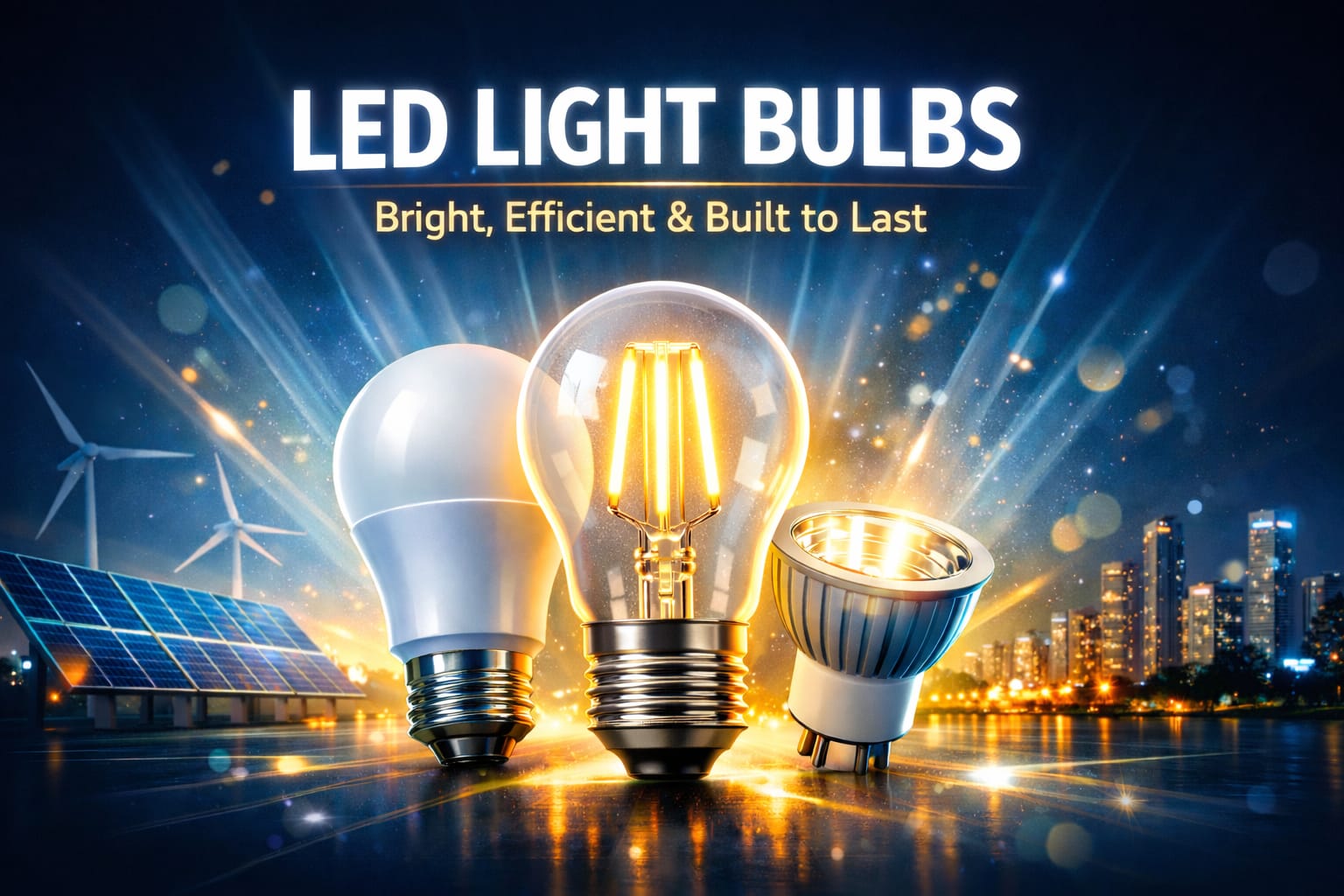
Table of Contents
Why LED Light Bulbs Matter
LED light bulbs matter because they solve several problems at once. They use far less electricity than incandescent bulbs, typically last much longer, and give you more useful choices for brightness, beam shape, and color temperature. That is why they are now at the center of most home lighting upgrades.
They are also easier to match to real rooms and tasks than many older bulb types. Whether you want warm evening light in a bedroom, cleaner task lighting in a kitchen, or long-lasting bulbs for a hard-to-reach fixture, LED technology gives you more control with lower running costs.
According to the U.S. Department of Energy, efficient lighting choices can lower household energy use and save money over time. That makes LED bulbs a practical upgrade, not just a modern trend.
What You Will Find in This Category
- Beginner-friendly LED bulb explainers
- Guides on lumens, color temperature, and packaging labels
- Buying advice for different rooms and fixtures
- Bulb comparisons and performance-focused articles
- Practical help for choosing better household lighting
Start With LED Bulb Basics
If you are new to LED light bulbs, the best place to begin is with the basics. Understanding how LEDs work, why they waste less energy as heat, and how they differ from older bulb types makes the rest of the category much easier to use.
These foundational guides give you the context you need before moving into comparisons, room recommendations, or buying decisions.
Brightness, Color, and Bulb Specs
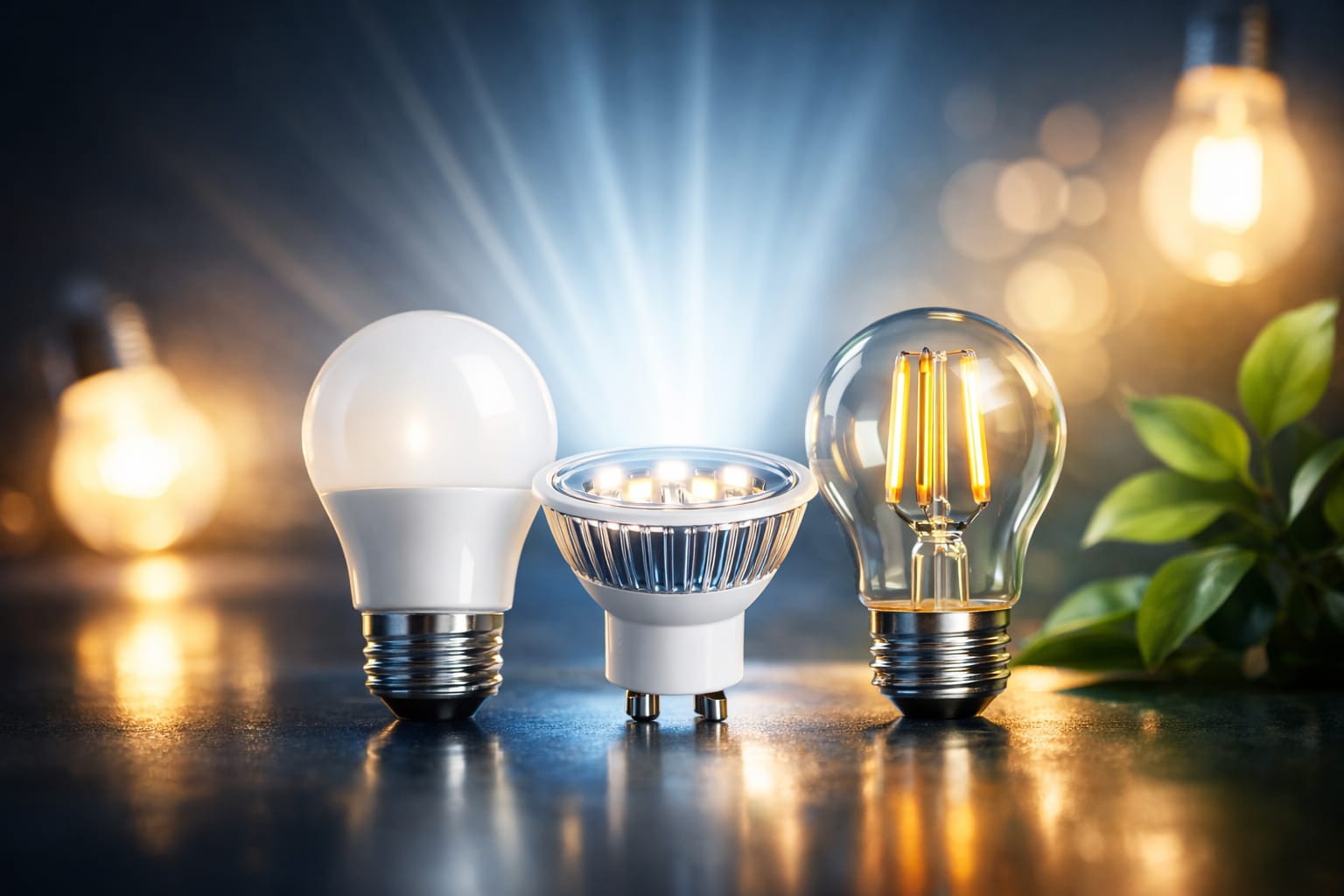
A lot of bulb frustration comes from picking the wrong brightness or the wrong color temperature. LED bulbs are easy to buy, but they are not always easy to compare if you are still thinking in old wattage terms. Lumens, kelvin ratings, packaging labels, and beam shape usually matter more than people expect.
This part of the category helps you read the box properly and understand what those numbers mean in real use. Once you know how to compare specs, it becomes much easier to buy the right bulb the first time instead of guessing.
When comparing bulbs, start with lumens for brightness and kelvin for light color. Wattage matters far less than it used to.
Best LED Bulbs by Room
Different rooms call for different bulb qualities. A living room often benefits from warmer, softer light, while a bathroom or ceiling fan fixture may need something brighter, more targeted, or better suited to damp conditions and fixture limits. That is why room-specific advice usually works better than generic recommendations.
These guides help you narrow down what makes sense for real spaces instead of treating every socket in the home the same way.
- Best LED bulbs for living rooms
- Best LED bulbs for bathrooms
- Best LED bulbs for dining rooms
- Best LED bulbs for ceiling fans
A Simple Way to Use This Category
- Start with the basics if you are new to LED bulbs
- Move to brightness and color guides if you are comparing specs
- Use the room guides if you already know where the bulb will go
- Check the comparison posts if you are still weighing different technologies
Comparison and Buying Guides
Some readers arrive here already knowing they want LED bulbs, but not knowing which type makes the most sense for their fixtures, expectations, or budget. That is where comparison-style articles are especially useful. They help you understand trade-offs instead of pushing a one-size-fits-all answer.
This part of the category is particularly helpful if you are comparing technologies, checking whether the savings are worth it, or trying to avoid buying based on packaging claims alone.
How to Choose the Right LED Bulb
When choosing LED light bulbs, start with the fixture and the job the light needs to do. Think about brightness first, then color temperature, then base compatibility and dimming needs. That order usually leads to better results than focusing on wattage or price alone.
It also helps to think about how the room is used. A soft bedroom lamp, a bright bathroom vanity, and a ceiling fan fixture may all use the same socket type, but they often need very different bulb characteristics. Good lighting decisions come from matching the bulb to the room, not just the socket.
Do not assume every LED bulb will dim properly or work safely in enclosed fixtures. Always check the packaging before buying.
If you want a broader understanding of why LED technology behaves differently from older options, the ENERGY STAR guide to LED lighting basics is also a useful reference.
How This Category Helps
A strong LED bulb category should help you move from general questions to specific decisions without getting lost in scattered posts. That is the goal of this hub. It gives you a clear starting point, then points you toward the right guide depending on whether you are learning the basics, comparing specs, or shopping for a specific room.
It also keeps the topic organized. Instead of treating LED bulbs as one broad subject, this category separates core knowledge, performance questions, comparisons, and room-specific use. That makes the content easier to browse and more useful when you are trying to solve a real lighting problem quickly.
Want to browse everything in one place? Explore the full LED light bulbs category archive to see all related guides and supporting articles.
Key Takeaways
LED light bulbs remain one of the smartest lighting upgrades for most homes because they combine lower energy use, longer lifespan, and better control over brightness and color tone than older bulb types.
The easiest way to use this category is to start with the basics, move into brightness and packaging guides when you need help comparing specs, and then use the room-specific articles when you are ready to choose bulbs for a real space.
As you build a better lighting setup, the goal is not just to buy efficient bulbs, but to choose ones that fit the fixture, the room, and the kind of light you actually want to live with day to day.
Sharing this guide
If you found this category guide helpful, save it for later or share it with someone who is comparing LED bulbs for different rooms or fixtures.
Share using the links below