Living Room LED Lights: Ultimate Guide for Perfect
Transforming your central gathering space requires thoughtful illumination planning that balances functionality with aesthetic appeal. Choosing living room LED lights involves understanding brightness levels, color warmth, placement strategies, and modern control features that enhance daily activities from movie watching to reading. The right combination creates inviting atmospheres while reducing energy bills significantly.
This comprehensive guide walks you through every decision point, from selecting appropriate lumen outputs to integrating smart controls that adapt lighting moods throughout the day and evening.
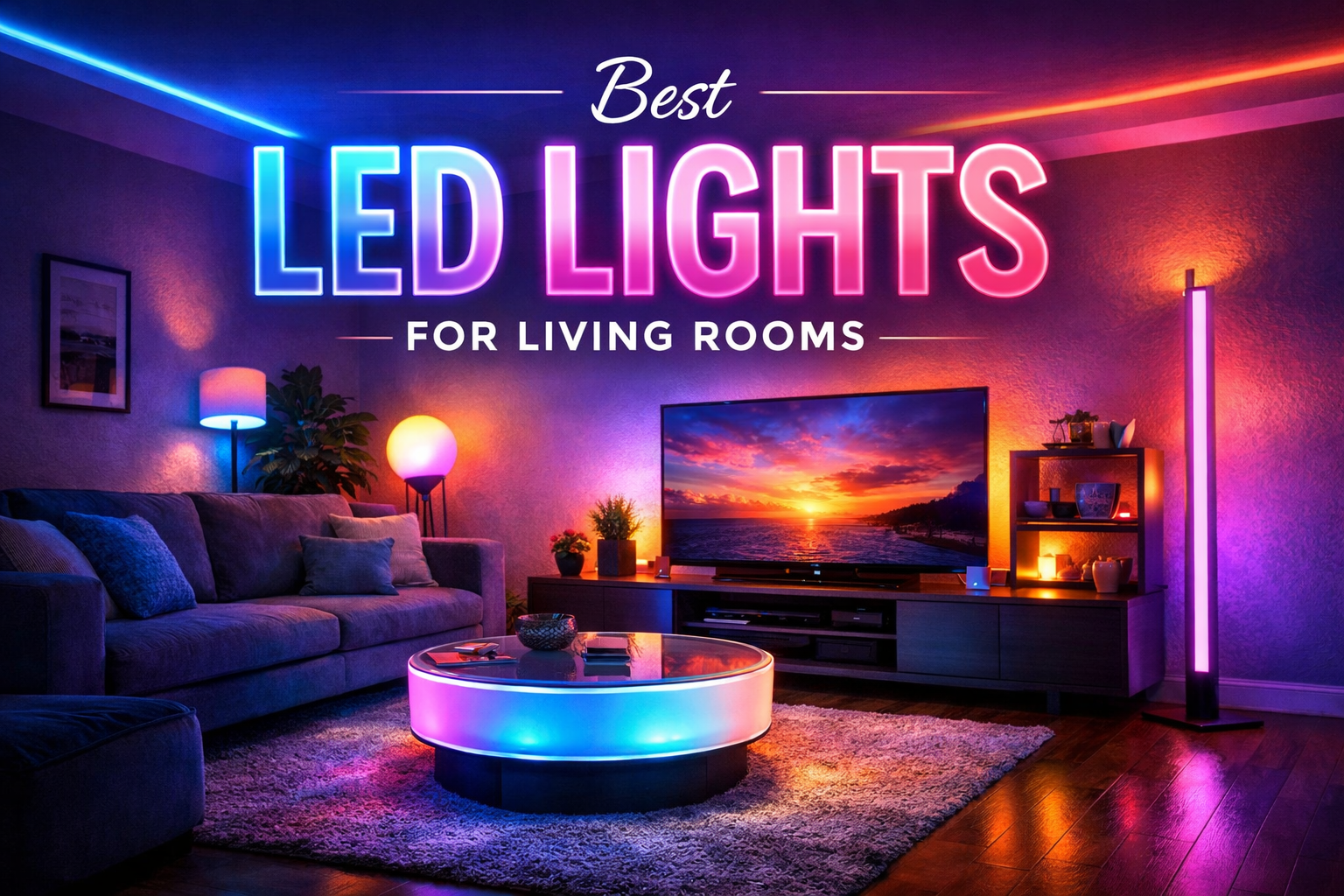
Table of Contents
- Understanding brightness fundamentals
- The layered illumination approach
- Overhead fixture considerations
- Strategic accent placement
- Task-specific illumination needs
- Selecting appropriate color warmth
- Dimming capabilities and controls
- Smart home integration features
- Energy efficiency and cost savings
- Popular fixture styles and trends
- Professional installation tips
- Maintenance and longevity factors
- Common selection pitfalls to avoid
- Budget planning and value analysis
- Sharing this guide
Understanding brightness fundamentals
Proper illumination starts with calculating total lumen requirements based on room dimensions and ceiling height. Living spaces typically need fifteen to twenty lumens per square foot for comfortable ambient conditions. A two-hundred-square-foot room therefore requires approximately three thousand to four thousand lumens distributed across multiple light sources rather than concentrated in a single fixture.
Traditional wattage comparisons no longer apply when selecting living room LED lights. A modern twelve-watt bulb produces the same brightness as an old seventy-five-watt incandescent while consuming eighty-four percent less electricity. Focus on lumen output numbers printed on packaging rather than wattage when comparing products.
Ceiling height significantly impacts brightness perception. Rooms with ten-foot ceilings require more lumens than standard eight-foot spaces because light travels farther before reaching seating areas. Dark wall colors absorb illumination, while light-colored surfaces reflect brightness throughout the space, affecting overall ambient lighting solutions effectiveness.
The layered illumination approach
Professional designers employ three distinct layers to create balanced, flexible environments. Ambient lighting provides overall illumination through ceiling fixtures or recessed cans. Task lighting focuses on specific activities like reading or working. Accent lighting highlights architectural features, artwork, or decorative elements with directional beams.
Each layer serves different purposes throughout daily routines. Morning hours benefit from bright ambient lighting solutions that energize occupants. Evening relaxation requires dimmed ambient layers combined with soft accent elements. Understanding how to interpret product specifications on bulb packaging helps select appropriate components for each layer.
If your goal is simply upgrading existing lamps or ceiling fixtures, choosing the right bulbs makes a major difference. See our expert recommendations in the best LED bulbs for living rooms guide to compare brightness levels, color temperature options, and smart features.
If you want a dependable option, a solid example is Smart LED Bulb That Work with Alexa & Google Home, which is known for stable long-term performance.
Overhead fixture considerations
Central ceiling fixtures anchor ambient systems in most traditional layouts. Chandeliers, flush-mount designs, and semi-flush options accommodate different ceiling heights and architectural styles. Modern living room LED lights in overhead positions should distribute illumination evenly without creating harsh shadows or glare spots.
Recessed can lights offer clean, contemporary aesthetics with adjustable beam angles. Space these fixtures approximately four feet apart in grid patterns for uniform coverage. Choose housings rated for insulation contact if installing in finished ceilings to prevent fire hazards and maintain energy efficiency standards.
Track lighting systems provide flexibility to adjust individual heads toward different areas as furniture arrangements change. This adaptability makes tracks excellent choices for renters or homeowners who frequently redecorate. Select LED track heads with appropriate beam spreads matching intended purposes.
Strategic accent placement
Wall sconces flank fireplaces, entertainment centers, or artwork to add visual interest and depth. Install sconces at eye level, approximately sixty to sixty-six inches from the floor, for optimal effect. These fixtures contribute ambient lighting solutions while serving decorative functions that complement overall interior design themes.
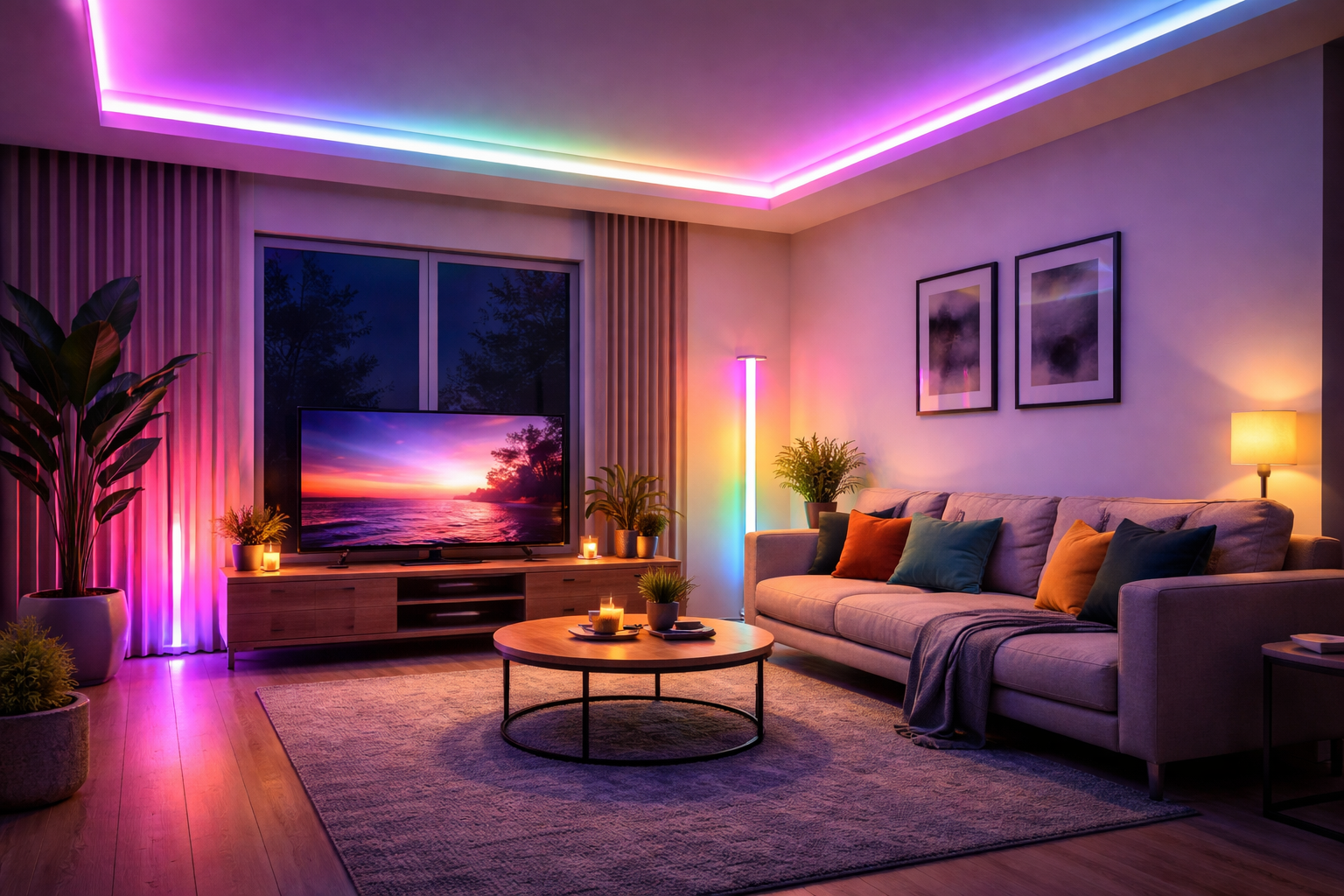
Strip lights hidden behind crown molding or furniture create dramatic indirect effects. These linear installations wash walls or ceilings with soft color that enhances perceived room size. Quality strips feature consistent brightness across entire lengths without visible individual diodes or dark spots.
Spotlights directed at plants, sculptures, or architectural details draw attention to favorite elements. Narrow beam angles between fifteen and thirty degrees concentrate illumination precisely where desired. Living room LED lights configured as accent elements typically operate at lower brightness levels than ambient sources.
Task-specific illumination needs
Reading areas require focused brightness without causing eye strain or glare on book pages. Floor lamps positioned beside favorite chairs provide adjustable task illumination independent of overhead systems. Swing-arm designs allow precise positioning over reading materials while keeping bulbs outside peripheral vision fields.
Workspaces within living areas benefit from desk lamps delivering concentrated brightness to keyboards and documents. Choose color temperature choices that minimize eye fatigue during extended computer use. Cooler temperatures above four thousand Kelvin enhance alertness and focus for productive activities.
Entertainment zones need minimal direct illumination to prevent screen glare while maintaining enough ambient glow for safe movement. Bias lighting placed behind televisions reduces eye strain during viewing by providing gentle background contrast. Evaluating long-term value and return on investment helps justify premium task fixtures.
Selecting appropriate color warmth
Color temperature measured in Kelvin degrees dramatically affects perceived ambiance and comfort. Warm white options between two thousand seven hundred and three thousand Kelvin create cozy, inviting atmospheres perfect for relaxation. These yellowish tones complement wood furnishings and traditional decor while promoting evening wind-down routines.
Neutral temperatures around three thousand five hundred to four thousand Kelvin balance warmth with clarity. These color temperature choices suit contemporary spaces with mixed materials and modern aesthetics. Neutral whites render colors accurately without the harsh blue cast of cooler options or excessive yellow warmth.
Cool white above five thousand Kelvin mimics daylight conditions but feels sterile in residential settings. Reserve these temperatures for task-specific applications rather than general ambient use in living room LED lights. Mixing color temperatures within the same space creates jarring visual conflicts that undermine cohesive design intentions.
Dimming capabilities and controls
Dimmable technology provides flexibility to adjust brightness levels matching different activities and times of day. Not all products support dimming, so verify compatibility before purchasing living room LED lights intended for variable control. Packaging clearly indicates dimming support with specific percentage ranges from maximum to minimum output.
Wall dimmer switches require compatibility with electronic loads rather than old incandescent rheostats. Modern dimmers use TRIAC or electronic low-voltage technology to smoothly adjust brightness without flickering or buzzing. Replace outdated controls with models specifically rated for LED compatibility to ensure reliable ambient lighting solutions performance.
Another practical alternative is RGBIC Floor Lamp, which performs reliably in everyday use.
Smart home integration features
Connected smart bulb options communicate with home automation systems via WiFi, Bluetooth, or proprietary protocols. These advanced products enable smartphone control, voice commands, and automated schedules that adjust illumination without manual intervention. Popular platforms include Amazon Alexa, Google Assistant, and Apple HomeKit with varying compatibility requirements.
Tunable white technology adjusts color temperature choices throughout daily cycles. Morning routines benefit from energizing cool tones while evening hours transition to relaxing warm hues. This circadian rhythm support promotes better sleep patterns by aligning artificial illumination with natural daylight variations.
RGB color-changing capabilities add entertainment value for parties or movie nights. These living room LED lights cycle through millions of color combinations controlled via apps or voice commands. Exploring advantages and limitations of connected systems helps set realistic expectations before investing in smart ecosystems.
Energy efficiency and cost savings
Semiconductor technology consumes seventy-five to eighty-five percent less electricity than traditional incandescent alternatives. A typical household replacing twenty bulbs saves approximately two hundred dollars annually on energy bills. These substantial reductions offset higher upfront costs within the first year of operation.
According to the U.S. Department of Energy efficiency programs, quality products last twenty-five times longer than incandescent options. This extended lifespan eliminates frequent replacement hassles and reduces maintenance costs in hard-to-reach ceiling fixtures. Calculate total ownership expenses including energy and replacement over ten-year periods for accurate comparisons.
Energy Star certification identifies top-performing models meeting strict efficiency and quality standards. Certified living room LED lights deliver superior lumens per watt ratios while maintaining brightness over rated lifespans. Utility companies often provide rebates for Energy Star purchases, further reducing effective costs.
Popular fixture styles and trends
Contemporary minimalist designs emphasize clean lines and geometric shapes without ornate detailing. Matte black and brushed nickel finishes dominate current trends, complementing neutral color palettes popular in modern interiors. These sleek fixtures integrate seamlessly as ambient lighting solutions without overwhelming visual fields.
Industrial aesthetics featuring exposed bulbs and metal cages appeal to urban loft environments. Edison-style filament bulbs recreate vintage appearances using efficient semiconductor technology inside traditional glass envelopes. This blend of nostalgic form with modern function satisfies desire for character while maintaining energy consciousness.
Mid-century modern revivals bring classic designs from the nineteen-fifties and sixties back into contemporary homes. Sputnik chandeliers and cone-shaped pendants pair perfectly with living room LED lights in warm white temperatures. Brass and wood accents warm spaces dominated by cool grays and whites.
Professional installation tips
Electrical work requires understanding local building codes and safety protocols. Turn off circuit breakers before touching any wiring to prevent potentially fatal shocks. Use voltage testers to verify power disconnection even when switches appear off. Improper connections cause fires, equipment damage, and voided warranties.
Junction box capacities limit the number and weight of fixtures they safely support. Ceiling fans and heavy chandeliers require specialized bracing boxes rated for dynamic loads. Standard boxes support fixtures weighing fifty pounds maximum. Retrofit brackets strengthen mounting points in existing ceilings without opening large access holes.
Wire gauge compatibility ensures adequate current delivery without voltage drops or overheating. Most residential circuits use fourteen or twelve-gauge wiring rated for fifteen or twenty amperes respectively. Calculate total amperage of all living room LED lights on shared circuits to prevent breaker trips during simultaneous operation.
Maintenance and longevity factors
Minimal maintenance requirements represent major advantages over older technologies. No bulb replacements for fifteen to twenty years eliminates ladder climbing and storage of spare inventory. Occasional dusting maintains optimal light transmission through fixture lenses and prevents dimming from accumulated debris.
Heat management extends component lifespan significantly. Enclosed fixtures trap thermal energy that accelerates degradation of internal electronics. Use products specifically rated for enclosed spaces or choose open designs allowing natural convection cooling. Adequate ventilation prevents premature color temperature choices shifts and brightness decay.
Quality manufacturing determines actual versus claimed lifespan performance. Budget imports often fail within five thousand hours despite packaging promises of fifty thousand hour operation. Reputable brands backing products with multi-year warranties demonstrate confidence in living room LED lights durability and construction quality.
Common selection pitfalls to avoid
Purchasing insufficient total lumens creates dim, unwelcoming environments that require supplementary fixtures. Calculate room square footage and multiply by recommended lumens per square foot before shopping. Divide totals across multiple sources for balanced distribution patterns avoiding harsh single-point glare.
Ignoring color rendering index specifications results in poor color accuracy affecting artwork appreciation and interior design cohesion. Minimum CRI ratings of eighty ensure acceptable performance while premium options exceeding ninety deliver superior fidelity. Smart bulb options with app-controlled color temperature choices provide maximum flexibility.
For a more permanent upgrade, many users switch to LED TV backlight kit, which offers consistent results over time.
Budget planning and value analysis
Initial investment costs appear higher compared to traditional options but total ownership expenses favor modern technology decisively. Factor energy savings, replacement costs, and lifespan into financial calculations. Ten-year projections reveal living room LED lights cost significantly less despite premium pricing at purchase.
Prioritize spending on frequently used fixtures delivering greatest impact. Invest in quality overhead ambient lighting solutions before upgrading decorative accent elements. Phased implementation spreads costs across multiple budget cycles while immediately capturing partial energy savings and improved illumination quality.
Bulk purchasing reduces per-unit costs for multiple identical fixtures. Buy entire room quantities simultaneously ensuring color temperature consistency and simplifying future replacements. Retailer promotions and utility rebates offset premium pricing making adoption more accessible. Comprehensive resources at the dedicated knowledge hub for buyers support informed decision-making throughout planning processes.
Sharing this guide
If you found this guide helpful, you can save it for later or share it with a friend. It’s especially useful for beginners, homeowners, and DIY users.
Share using the links below
Interested in learning more? Browse all related articles in our category section.
Pingback: Best LED Bulbs for Living Rooms: Smart Guide 2026
Pingback: Best LED Lights for Bedroom: Perfect Guide for 2026