Best Lights for Low Ceilings: Flush, Recessed & Layout Tips
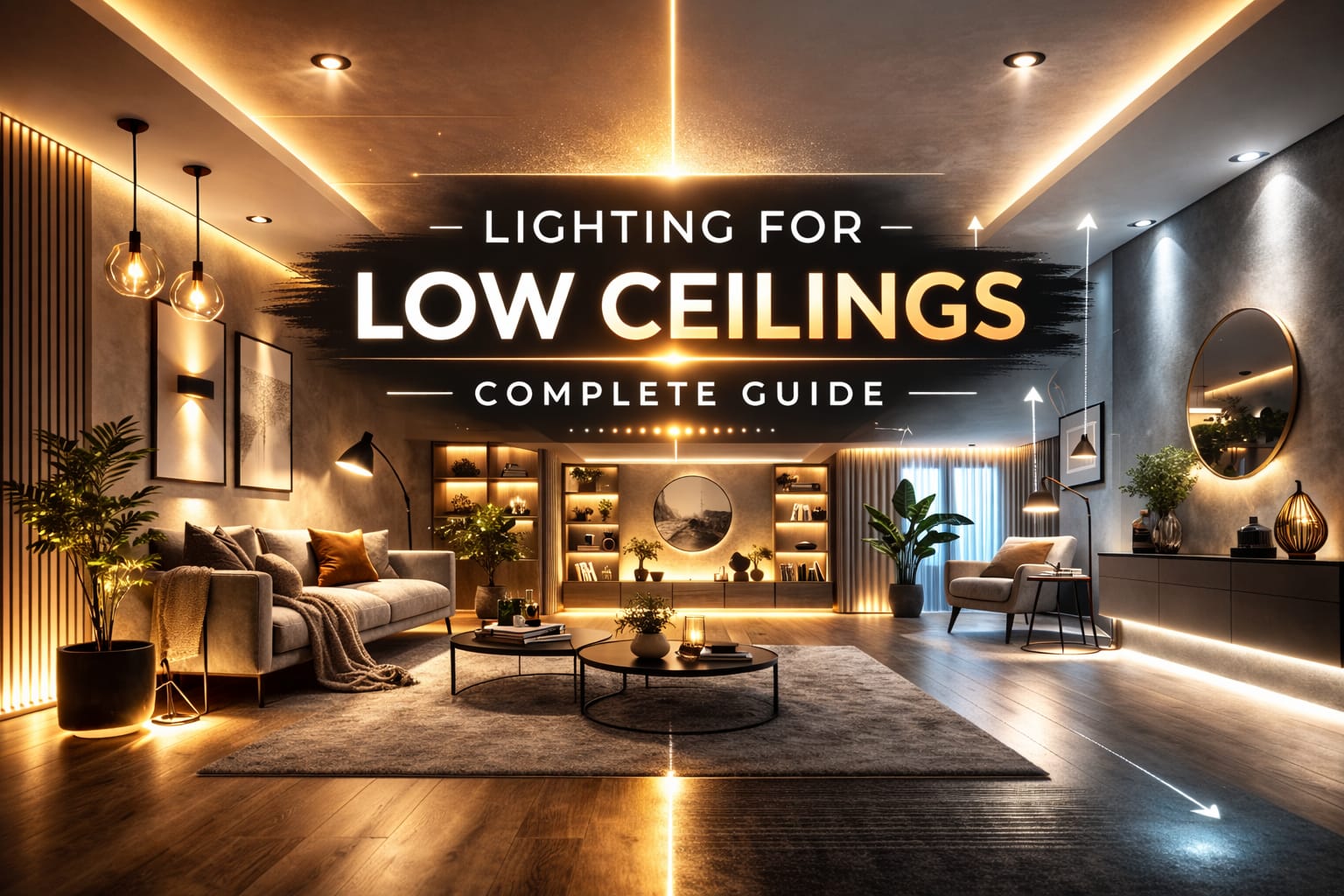
The best lights for low ceilings are usually flush mount fixtures, slim recessed lights, compact track lighting and indirect LED strips. These options keep headroom clear, reduce glare and make a room feel brighter without drawing attention to the ceiling.
This guide is for bedrooms, basements, hallways, living rooms and small rooms where bulky pendants or deep fixtures feel too heavy. You’ll see which lighting type works best, how to space it, what to avoid before buying and how to make a low ceiling feel more open.
Quick Answer
For most low ceilings, start with a shallow flush mount or slim recessed lights for general brightness, then add wall lamps, floor lamps, sconces or LED strips to brighten the room from more than one level. Avoid deep pendants, oversized chandeliers and bulky fixtures unless they leave enough clear headroom.
Table of Contents:
- Best Lighting Options at a Glance
- What Makes Low-Ceiling Lighting Different
- Best Overall: Flush Mount Lights
- Best Clean Look: Slim Recessed Lights
- Track Lighting and Indirect Lighting
- How to Make a Low-Ceiling Room Feel Taller
- Layout, Fixture Size and Color Temperature
- Installation, Safety and Efficiency
- Common Low-Ceiling Lighting Mistakes
- FAQ
- Key Takeaways
- Sharing This Guide
Best Lighting Options at a Glance
Low-ceiling lighting works best when the fixture stays shallow, the light spreads widely and the room is not forced to rely on one bright overhead source. The right option depends on whether you need a simple replacement, a cleaner ceiling, directional light or a softer design effect.
Choose flush mount lights if you want the easiest upgrade for bedrooms, hallways, small living rooms or rentals.
Choose slim recessed lights if you want the cleanest ceiling and have enough space or the right retrofit option.
Choose low-profile track lighting if the room has awkward furniture, artwork, a desk or zones that need adjustable direction.
Choose indirect LED strips, sconces or lamps if the room feels boxed in and needs softer wall or ceiling bounce.
For most homes, the strongest setup is not one single fixture. It is a simple layered plan: one low-profile main light for ambient brightness, plus secondary light from walls, lamps or indirect sources. That approach improves comfort, reduces harsh shadows and makes the ceiling less visually dominant.
What Makes Low-Ceiling Lighting Different
Rooms with limited overhead clearance need a different lighting approach than taller spaces. The goal is to preserve headroom, provide even illumination and avoid fixtures that make the ceiling feel lower than it already is. In many 7- to 8-foot rooms, standard pendants and chandeliers simply hang too low to be practical.
Visual balance matters just as much as brightness. Bulky fixtures draw the eye upward and can make the room feel tight or top-heavy. A better plan is to use low-profile lighting that spreads light well and keeps attention moving across the room instead of concentrating everything on the ceiling. This is also why it helps to avoid common lighting placement mistakes before choosing fixtures.
Heat control also matters more in smaller vertical spaces. Older incandescent bulbs release much more heat near the ceiling, which can make compact rooms feel stuffy. LED lighting solves much of that problem by producing far less heat while still delivering strong light output.
Installation depth is another factor people often miss. Some fixtures, especially traditional recessed cans, need more space above the ceiling than a renovation can provide. Slim LED options are usually much easier to fit when the plenum is tight.
Local building codes often set minimum ceiling height requirements around 7 feet for habitable rooms, though some spaces may allow 6 feet 8 inches in specific cases. That makes fixture choice especially important in attic rooms, basement conversions and older homes where every inch counts. Low-ceiling rooms also need the opposite strategy from lighting for high ceilings: instead of filling vertical space, the goal is to protect it.
Best Overall: Flush Mount Lights
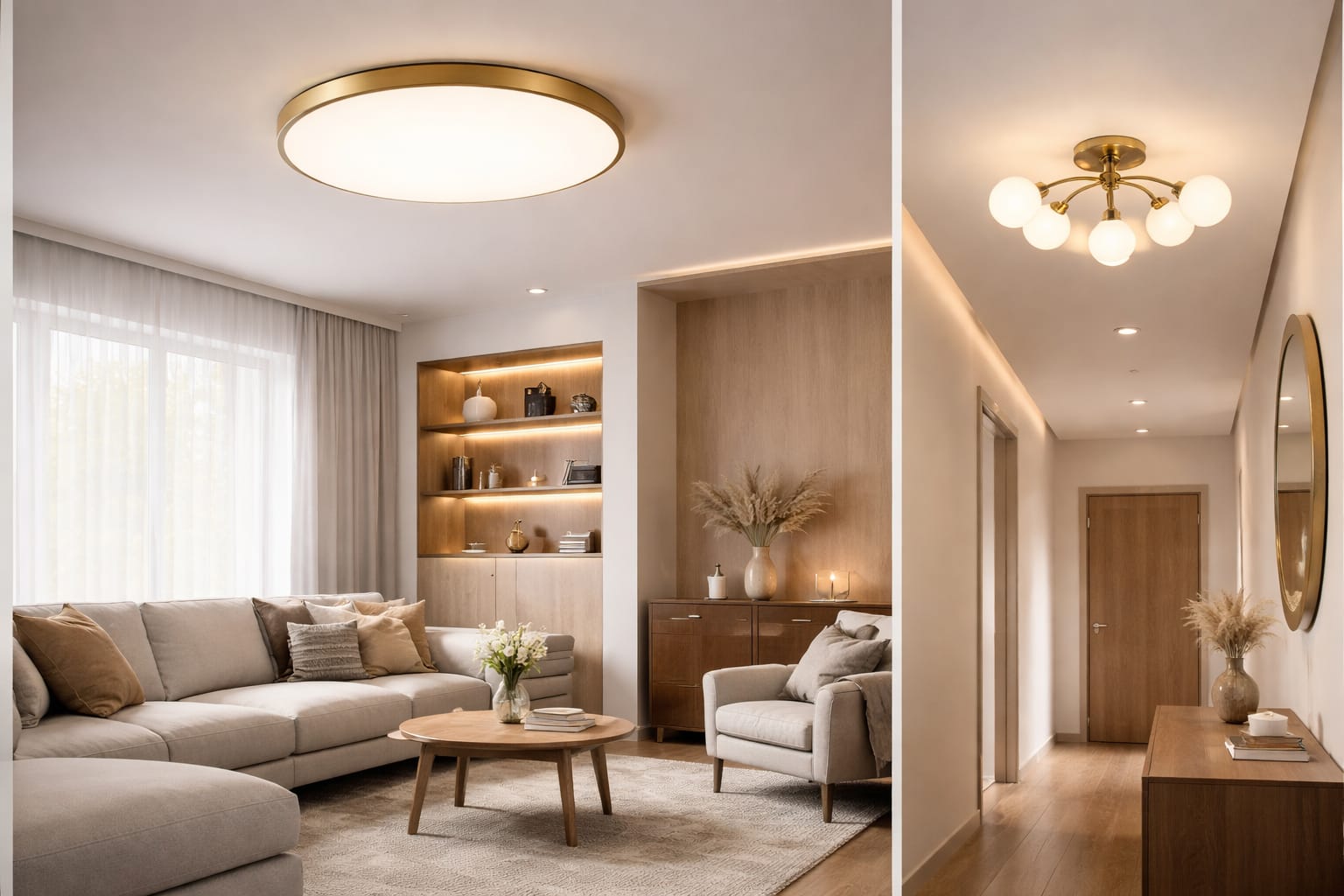
Flush mount lights for low ceilings are usually the safest and most reliable choice because they sit close to the ceiling. They preserve headroom, provide broad ambient light and work well in bedrooms, hallways, living rooms, closets, entryways and many small dining areas.
If an existing ceiling light feels bulky, dated or visually heavy, replacing it with a slimmer LED design can make the ceiling feel cleaner right away. A practical upgrade is a slim low-profile LED ceiling light for low ceilings, which helps create even light without sacrificing headroom.
Semi-flush models can still work in some spaces, but only if the drop is modest. A fixture that hangs down 4 to 8 inches may add more style without causing problems, while anything deeper can start to feel intrusive in a room with limited clearance.
Diffuser choice is important because the light source sits closer to people than it would in a taller room. Frosted glass or acrylic helps soften LED hotspots, reduce glare and create a smoother wash of light. This is especially useful in bedrooms, hallways and living rooms where harsh ceiling glare can make the whole room feel uncomfortable. For a deeper explanation, see this guide to glare reduction.
In very low rooms, a simple flush mount with a wide diffuser often looks better than a decorative fixture with extra depth. It keeps the ceiling visually lighter and usually spreads light more evenly.
Best Clean Look: Slim Recessed Lights
Recessed lighting for low ceilings can be one of the cleanest-looking solutions because the fixtures do not project downward into the room. This makes recessed lights useful when you want a streamlined ceiling and as much visual openness as possible.
Ultra-thin LED recessed fixtures are often better than old recessed cans because they need much less space above the drywall. In finished basements, upper floors or remodels with limited access, that shallow depth can make the difference between a simple install and a frustrating one.
For remodels, basements or rooms where ceiling depth is limited, 6-inch ultra-thin canless recessed LED lights can be a practical option because they create a clean low-profile look without using bulky traditional cans.
Spacing still matters. In low rooms, recessed fixtures sit closer to people and surfaces, so poor spacing can make the room feel patchy or too bright. A useful starting point is to divide the ceiling height by two for approximate spacing in feet. For a 7-foot ceiling, about 3.5 feet between fixtures often creates a more even result, especially when combined with a proper lighting layout plan.
Wider beam angles, often around 60 to 90 degrees, usually work better in low rooms because they spread light across the floor and walls instead of creating small, intense pools. Adjustable trims can also help when you need task lighting or want to highlight artwork without adding another hanging fixture.
Before choosing recessed lights, confirm ceiling depth, insulation contact, wiring access and fixture rating. A wafer-style LED may fit where a traditional recessed can cannot.
Track Lighting and Indirect Lighting
Low-profile track lighting can work surprisingly well with low ceilings when the track stays slim and the heads are compact. It is especially useful in multipurpose rooms, home offices, awkward layouts or spaces where furniture may move over time.
Choose compact LED heads rather than large decorative ones. The slimmer the profile, the better track lighting tends to work in a low-ceiling room. You can also mix wider flood heads and narrower accent heads on the same track, which helps you build a complete lighting plan without filling the ceiling with separate fixtures. This flexibility is useful in many workspace lighting setups.
Indirect lighting is one of the best low-ceiling lighting ideas because it brightens the room without putting visual weight on the ceiling plane. Instead of shining straight down, it bounces light off walls or the ceiling and creates a softer, more open feel.
LED strips hidden in coves, behind molding or on top of cabinets can create this effect with almost no loss of clearance. Wall sconces and floor lamps that send light upward can do something similar, especially when the ceiling is painted in a light-reflective color.
For smooth indirect light, place LED strips far enough from the ceiling surface to let the light spread. A rough starting point of 8 to 12 inches often works well, though the best distance depends on the room and the profile being used. Aluminum channels can help diffuse the light, reduce visible hotspots and improve heat management.
How to Make a Low-Ceiling Room Feel Taller
Lighting can change how a low-ceiling room feels even when the ceiling height itself does not change. Brightening walls evenly, reducing harsh shadows and keeping the ceiling visually light all help the room feel more open.
Use several moderate light sources instead of one strong central fixture. A single bright light can exaggerate contrast and pull attention to the ceiling, while layered lighting creates a smoother, more spacious look. If you want a clearer breakdown of how lighting layers work together, see this guide to ambient vs task vs accent lighting.
Lighting walls instead of only the ceiling adds depth and moves attention outward. Floor lamps, sconces, picture lights and backlit mirrors can all help the room feel wider and more balanced. Artwork lighting is especially useful because it creates a visual focal point at eye level instead of letting the low ceiling dominate the room.
Lighter ceiling paint is part of the same strategy. A white or pale neutral ceiling reflects more light and tends to recede visually, which can reduce the closed-in feeling common in compact spaces.
Layout, Fixture Size and Color Temperature
The best lights for low ceilings are not only shallow; they are also sized and spaced correctly. Wider horizontal fixtures usually work better than tall decorative ones because they spread light without adding much depth. Long linear designs and slim round flush mounts often look balanced where deeper fixtures feel heavy.
A 12-inch flush mount may work well in a bedroom, hallway or compact dining area, while a larger living room may need a 16- to 20-inch model. The goal is to match the fixture to the room so it looks intentional rather than undersized or overwhelming.
If your current ceiling light feels bulky, choose a shallow fixture with a wide diffuser instead of adding another decorative hanging light. This type of low-profile ceiling light is usually a safer upgrade for bedrooms, hallways and compact living rooms.
Color temperature affects both mood and perceived brightness. Warm white light around 2700K to 3000K usually feels best in bedrooms and living rooms, while neutral white around 3500K to 4000K often works better in kitchens, bathrooms and flexible work areas.
Cooler light can seem brighter at the same lumen level, but going too cool can make a home feel harsh. In low-ceiling rooms, that harsh feeling can be more noticeable because the light source is physically closer to the space below.
Tunable white lighting can be useful in small homes where one room may need to support focus, relaxation and general living at different times. It lets you shift to cooler light during the day and warmer light in the evening without changing the fixtures themselves.
Installation, Safety and Efficiency
Low-ceiling lighting works best when the practical details are checked before you buy anything. Confirm wiring locations, structural support, ceiling depth and any code requirements tied to the room.
If you are using recessed lights, measure the available space above the ceiling first. Ducts, insulation and framing can all limit what fits. IC-rated fixtures are important when insulation may touch the housing because they are designed for safer operation in those conditions.
Retrofit LED kits can upgrade older recessed housings without tearing out the ceiling. Wafer-style retrofit panels are another useful option because they can create the look of recessed lighting even when there is not enough plenum space for a traditional installation.
LEDs are the obvious choice for low ceilings because they run cooler, last longer and use far less electricity than incandescent or halogen lighting. The U.S. Department of Energy LED lighting guide explains why LED designs can offer high efficiency and long service life.
Dimmers, zones and smart controls can make the setup more comfortable because you do not always need full brightness. Morning and evening scenes are especially helpful in smaller homes where the same room shifts roles during the day. You can also explore lighting design basics and grouping smart lights by room if you want more control over different zones.
Common Low-Ceiling Lighting Mistakes
The most common mistake is relying on one central ceiling light to do everything. That usually creates flat light, weak atmosphere and too much attention on the ceiling itself.
Another frequent problem is choosing fixtures that hang too low. Even if they technically fit, they can make the room feel cramped and uncomfortable. In many 7- to 8-foot rooms, anything with a deep drop needs extra caution.
Oversized flush mount fixtures can also look heavy even when they sit tight to the ceiling. If the diameter is too large for the room, the fixture may dominate the whole space. Undersized fixtures create the opposite problem: they can look lost and may not provide enough light.
Ignoring layered lighting is another missed opportunity. A better result usually comes from combining ceiling lighting with lamps, wall lighting or indirect light instead of asking one fixture to do all the work. You can explore more fundamentals in the LED knowledge center.
Do not copy fixture choices from taller rooms without checking the actual drop. A light that looks balanced in an 8.5- or 9-foot room can feel intrusive very quickly in a true low-ceiling space.
FAQ
What Type of Light Is Best for a Low Ceiling?
For most low ceilings, the best first choice is a flush mount light or a slim recessed light. Flush mounts are easier to replace, while recessed lights create a cleaner ceiling when installation depth allows.
Are Recessed Lights Good for Low Ceilings?
Yes, recessed lights can be good for low ceilings because they do not hang into the room. The key is using slim fixtures, wider beam angles and careful spacing so the light does not feel patchy or harsh.
Can You Use Pendant Lights With Low Ceilings?
Pendant lights can work only in specific spots, such as over a table or kitchen island, where people do not walk underneath. For general room lighting, flush mount, semi-flush or recessed fixtures are usually safer.
How Do You Make a Low Ceiling Look Higher With Lighting?
Use low-profile fixtures, brighten the walls, add lamps or sconces, reduce harsh shadows and avoid deep hanging lights. Indirect lighting and lighter ceiling colors can also make the ceiling feel less heavy.
Key Takeaways
The best lighting for low ceilings keeps the ceiling visually light while still giving the room enough brightness and flexibility. Flush mounts, slim recessed lights, low-profile track systems and indirect lighting are usually the strongest options.
Start with a shallow main fixture, then add light from walls, lamps or indirect sources so the ceiling does not have to carry the whole room. This layered approach usually feels more comfortable and spacious than one strong overhead light.
Before buying, check fixture depth, room size, beam spread, diffuser quality, color temperature and installation limits. A low-ceiling room can still feel bright, modern and open when the light is planned around headroom and visual comfort.
Sharing This Guide
If you found this guide helpful, save it for later or pass it along to someone planning a room with limited ceiling height.
Use the links below to share it
Interested in learning more? Browse related articles in our category section.