Best LED Lights for Dining Rooms: Perfect Choices
Selecting the best LED lights for dining rooms transforms ordinary meals into memorable experiences through carefully orchestrated illumination that enhances food presentation, creates inviting atmospheres, and supports both intimate family dinners and elegant entertaining. This comprehensive guide examines fixture types, placement strategies, dimming controls, and design considerations that elevate dining spaces into versatile environments adapting to varied occasions throughout daily life while maximizing energy efficiency and visual comfort.
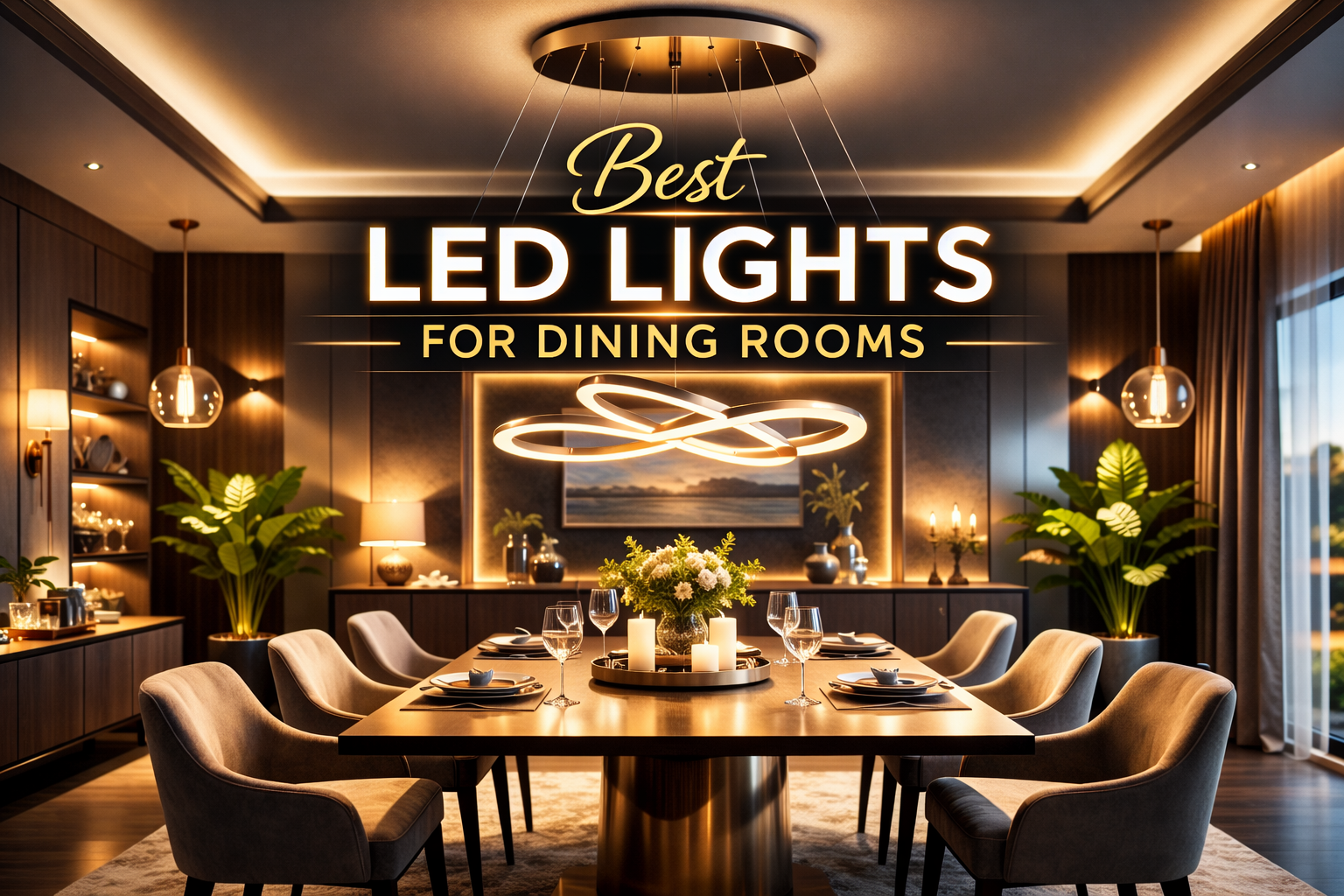
Table of Contents
Chandelier Selection
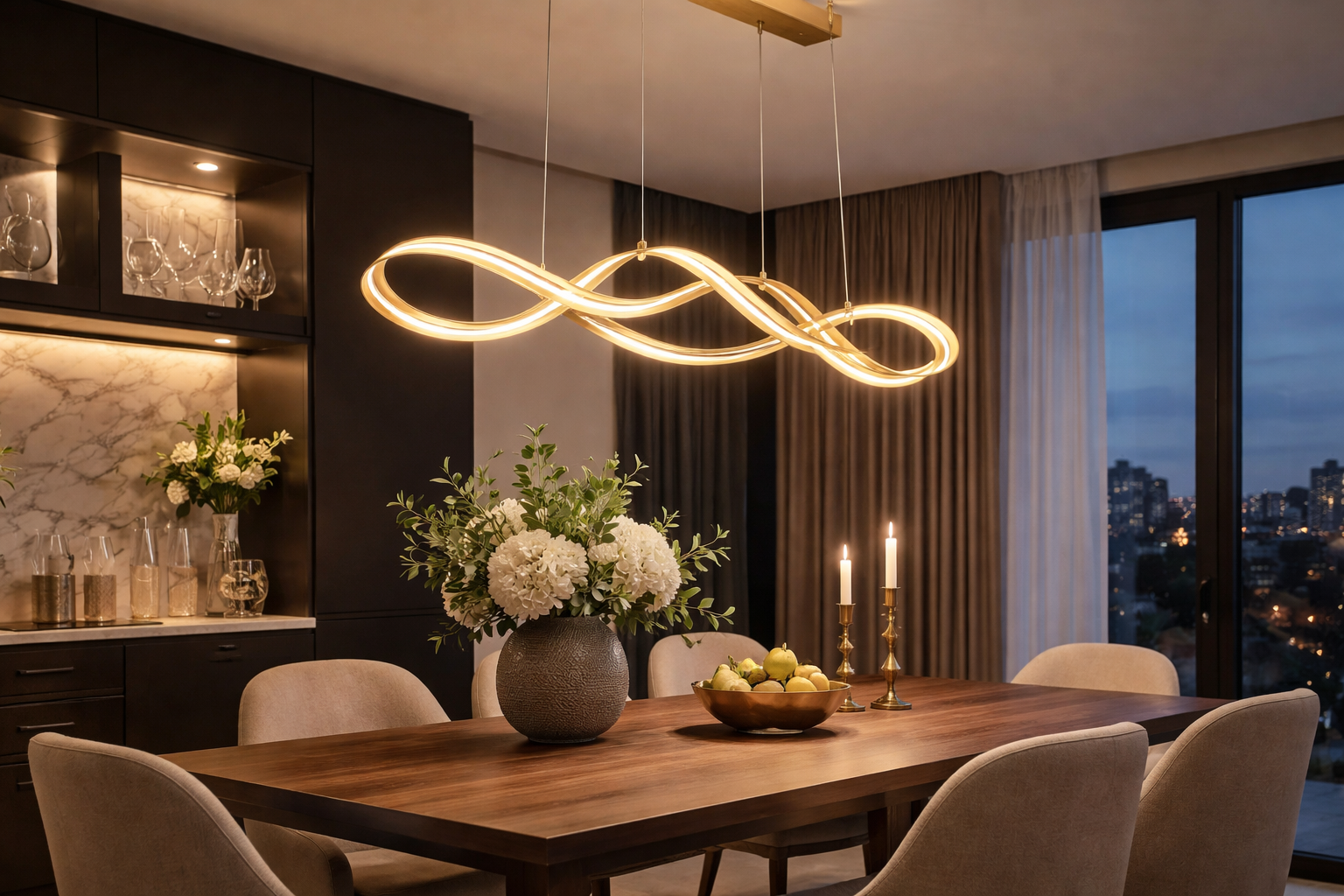
Chandeliers represent the quintessential choice when identifying the best LED lights for dining rooms because they provide central focal points combining decorative appeal with functional illumination. A dining room chandelier serves dual purposes as statement artwork and primary light source creating dramatic visual impact while ensuring adequate brightness for dining activities. Modern LED chandeliers offer advantages over traditional incandescent versions including superior energy efficiency, cooler operation, longer lifespans, and integrated dimming capabilities supporting varied lighting scenarios.
Size selection follows the one-third rule where chandelier diameter should measure approximately one-third the table width ensuring proportional scale. For a 60-inch table, aim for chandeliers measuring 20-24 inches diameter creating balanced visual relationships. Larger dining spaces with substantial tables accommodate correspondingly larger fixtures up to 36-48 inches diameter making appropriate design statements without overwhelming spaces or appearing undersized relative to furniture proportions throughout room compositions.
If you want a dependable option, a solid example is Modern Chandelier Ceiling Light, which is known for stable long-term performance.
Chandelier Styles
Traditional crystal chandeliers featuring LED candelabra bulbs combine classic elegance with modern efficiency creating timeless designs suitable for formal dining spaces. Contemporary linear chandeliers with integrated LED modules deliver minimalist aesthetics perfect for modern interiors emphasizing clean lines and geometric forms. Transitional styles blend traditional and contemporary elements offering versatility adapting to diverse decor schemes from classic to modern interpretations throughout residential interiors.
Multi-tier chandeliers create dramatic vertical presence in dining rooms with high ceilings drawing eyes upward emphasizing architectural scale. Single-tier designs suit standard ceiling heights maintaining appropriate proportions without overwhelming spaces. Consider room architecture, ceiling height, and furniture style when selecting dining room chandelier designs ensuring cohesive integration with existing decor elements throughout carefully planned interior schemes. Similar attention to proportion applies when selecting corridor fixtures requiring appropriate scaling for space dimensions.
Pendant Lights
Pendant lights offer alternative approaches when selecting the best LED lights for dining rooms particularly for contemporary spaces emphasizing minimalist design principles. Multiple pendants suspended in linear arrangements above rectangular tables create modern aesthetics while providing distributed illumination across entire table lengths. This multi-source approach eliminates single bright spots common with centered chandeliers creating more even lighting coverage supporting dining activities throughout extended table surfaces.
Three-pendant arrangements work well for tables measuring 60-72 inches long with pendants spaced 24-30 inches apart creating balanced visual rhythm. Larger tables accommodate four or five pendants maintaining consistent spacing intervals throughout lengths. Single large pendants suit smaller round or square tables where multiple fixtures appear overcrowded. Adjust pendant quantities and spacing matching specific table dimensions ensuring proportional coverage without excessive clustering creating visual confusion.
Glass pendants with exposed LED filament bulbs create industrial-chic aesthetics popular in contemporary dining spaces. Drum shade pendants provide diffused illumination reducing glare while creating softer lighting quality. Metallic finishes from brushed nickel to oil-rubbed bronze coordinate with cabinet hardware and faucets creating unified design schemes. Choose pendant styles complementing overall room aesthetics while providing adequate illumination supporting both functional dining needs and decorative objectives throughout residential interiors.
Adjustable Pendants
Adjustable-height pendants accommodate varied ceiling heights and personal preferences allowing customization after installation. This flexibility proves valuable when fine-tuning lighting positions achieving optimal illumination without requiring fixture replacement. Some designs feature counterweight systems enabling effortless height adjustments, while others use adjustable cords requiring manual repositioning during installation providing permanent height settings suitable for specific applications throughout dining environments.
Pulley systems and telescoping rods offer creative mounting solutions adding mechanical interest while providing practical height adjustment capabilities. These functional design elements become decorative features themselves contributing to overall aesthetic appeal beyond pure utilitarian purposes. Consider maintenance accessibility when selecting adjustable mechanisms ensuring cleaning and bulb replacement remain manageable throughout fixture lifespans without requiring professional assistance for routine maintenance tasks.
Recessed Lighting
Recessed downlights provide supplemental illumination when installing the best LED lights for dining rooms supporting primary chandeliers or pendants through layered lighting approaches. Perimeter recessed fixtures create ambient fill lighting reducing contrast between bright table areas and darker room zones. This balanced distribution enhances visual comfort while highlighting architectural features like crown molding, artwork, or display cabinets showcasing collections throughout dining spaces.
Space recessed fixtures 4-6 feet apart around dining room perimeters avoiding direct positioning above tables where they compete with primary fixtures. Wall-wash trims direct light toward vertical surfaces creating perceived spaciousness while highlighting wall colors and textures. Avoid excessive recessed lighting creating overly bright conditions inappropriate for intimate dining atmospheres where softer warm ambient lighting proves more suitable for relaxed social interactions during meals.
Adjustable gimbal trims allow directional control highlighting specific features like buffets, sideboards, or artwork displayed on dining room walls. This flexibility enables customized illumination patterns emphasizing decorative elements while providing functional ambient lighting supporting overall room illumination needs. Choose fixtures with appropriate beam angles matching intended applications with narrow spots for accent lighting and wide floods for general ambient coverage throughout varied lighting zones.
Retrofit Options
LED retrofit kits upgrade existing recessed housings without complete fixture replacement saving installation costs and construction disruption. These conversion kits install into standard housings in minutes providing immediate efficiency improvements and enhanced light quality. Integrated LED modules with attached trim rings eliminate traditional bulb sockets simplifying designs while improving thermal management extending operational lifespans through improved heat dissipation strategies. Understanding proper installation prevents problems similar to moisture-prone bathroom fixtures requiring specialized ratings and construction.
Color temperature selectable retrofit kits feature switches allowing adjustment between warm, neutral, and cool white outputs accommodating personal preferences without purchasing multiple products. Wattage selectable models provide brightness adjustment through integrated switches enabling customization matching specific room requirements. These versatile products simplify specification and inventory management while providing flexibility adapting to changing preferences or usage patterns throughout years of continued operation.
Wall Sconces
Wall-mounted sconces enhance the best LED lights for dining rooms by adding layered illumination and architectural interest along vertical surfaces. Flanking sconces positioned on either side of buffets or sideboards provide balanced symmetrical lighting highlighting furniture pieces while contributing ambient illumination throughout rooms. Install sconces at 60-66 inches above floor level ensuring fixtures remain above eye level preventing glare while providing effective wall washing creating perceived spatial expansion.
Another practical alternative is Ambient LED Strip, which performs reliably in everyday use.
Up-light sconces direct illumination toward ceilings creating indirect ambient lighting through reflected light spreading softly throughout spaces. Down-light sconces focus illumination on lower walls and floors creating dramatic shadowing effects highlighting wall textures and architectural details. Combination up-down sconces provide versatile illumination contributing to both ambient and accent lighting layers creating sophisticated lighting schemes supporting varied dining occasions from casual family meals to formal entertaining events.
Decorative Sconces
Decorative sconces serve dual purposes as functional light sources and wall art adding personality to dining rooms beyond pure illumination objectives. Traditional candle-style sconces with LED flame bulbs create romantic ambiance suitable for formal dining spaces emphasizing classic elegance. Modern geometric sconces deliver contemporary aesthetics complementing minimalist interiors. Choose sconce designs coordinating with chandelier or pendant styles creating unified design schemes throughout cohesive interiors.
Glass sconces with LED filament bulbs visible through clear shades create industrial-chic aesthetics popular in transitional dining spaces blending traditional and contemporary elements. Fabric shades provide soft diffused illumination creating warm intimate atmospheres. Crystal sconces add sparkle and elegance reflecting light creating dynamic visual effects enhancing formal dining environments. Match sconce materials and finishes with other metallic elements throughout rooms including cabinet hardware, faucets, and chandelier components maintaining consistent material palettes.
Color Temperature
Color temperature selection profoundly impacts dining experiences when choosing the best LED lights for dining rooms. Warm white light between 2700-3000K creates inviting cozy atmospheres ideal for dining by enhancing food appearance making dishes appear more appetizing. This warm glow mimics traditional incandescent lighting creating familiar comfortable environments conducive to relaxed social interactions during meals. Warm ambient lighting proves universally flattering creating welcoming spaces suitable for extended social gatherings.
Avoid cool white lighting above 4000K in dining room chandelier applications as blue-rich spectrum creates cold clinical atmospheres inappropriate for intimate dining settings. Cool lighting makes food appear less appetizing affecting dining experiences negatively. Reserve cooler color temperatures for task-oriented spaces like kitchens where accurate color rendering during food preparation takes priority over creating warm inviting atmospheres during consumption activities throughout extended dining experiences.
Maintain consistent color temperature across all dimmable lighting fixtures within dining rooms preventing jarring contrasts between different whites appearing throughout spaces. If chandelier uses 2700K, ensure sconces and recessed fixtures match this temperature creating cohesive lighting quality. Mixed color temperatures create disjointed appearances undermining carefully planned design schemes. According to U.S. Department of Energy LED lighting efficiency guidance, proper color temperature selection enhances both ambiance and energy efficiency in residential spaces.
CRI Importance
Color Rendering Index (CRI) indicates how accurately lights render colors compared to natural daylight with scores ranging 0-100. The best LED lights for dining rooms feature CRI ratings of 90 or higher ensuring food, décor, and guests appear naturally attractive under artificial illumination. Lower CRI values around 80 may seem adequate initially but cause colors appearing washed out or distorted particularly affecting food presentation during dining experiences.
High CRI proves particularly important in dining rooms where food appearance directly affects appetite and enjoyment. Premium LED fixtures invest in superior phosphor coatings and LED chips delivering excellent color rendering making meals appear more appetizing and guests more attractive creating positive dining experiences. Budget fixtures often sacrifice CRI for lower costs using cheaper components producing acceptable brightness at reduced color quality affecting overall ambiance quality throughout dining occasions.
Dimming Controls
Dimming capability represents essential features when selecting the best LED lights for dining rooms because lighting flexibility supports varied occasions from bright family dinners to romantic candlelit evenings. Dimmable lighting fixtures allow adjustment matching specific dining scenarios, guest counts, and times of day creating customized atmospheres. Full brightness during casual family meals supports visibility and energy, while dimmed lighting during formal entertaining creates intimate sophisticated dining environments.
LED-compatible dimmers specifically designed for electronic loads ensure smooth operation across entire brightness ranges without flickering, buzzing, or limited dimming affecting performance. Traditional incandescent dimmers cause LEDs to perform poorly because electronic drivers require specialized control signals different from resistive incandescent loads. Invest in quality LED dimmers matched to specific fixtures ensuring reliable smooth dimming throughout operational ranges supporting varied lighting scenarios throughout diverse dining occasions.
Verify dimmer compatibility before purchasing fixtures avoiding frustrating performance issues after installation. Manufacturers specify compatible dimmer models in product documentation ensuring optimal performance. Some LED fixtures include integrated drivers incompatible with standard wall dimmers requiring specialized controls or accepting limitations. Test dimming performance across entire ranges during initial installation making adjustments or exchanges if necessary before completing renovations permanently installing components throughout dining spaces. Integration with automated control systems enables sophisticated scene programming.
Preset Scenes
Programmable scene controllers store preferred brightness combinations for different occasions activated with single button presses eliminating repetitive manual adjustments. Entertaining scenes might set chandelier to 70% with sconces at 50% creating welcoming atmospheres. Romantic dinner scenes dim all fixtures to 30% creating intimate settings. Cleanup scenes restore full brightness supporting practical activities after meals concluding dining events.
Multi-location scene controls allow activation from multiple wall switches throughout dining rooms and adjacent spaces providing convenience. Three-way and four-way scene controllers enable synchronized operation from multiple locations eliminating confusion about which switch controls which fixtures. Wireless scene controllers eliminate complex wiring requirements while providing flexible placement throughout spaces supporting intuitive operation during varied dining activities and entertaining scenarios.
Fixture Height
Proper fixture height proves critical when installing the best LED lights for dining rooms ensuring adequate illumination without creating glare or obstructing sight lines across tables. Chandeliers and pendants should hang 30-36 inches above table surfaces providing optimal illumination while maintaining clear views between seated diners. This height allows comfortable conversation without fixtures blocking eye contact while ensuring adequate light reaching table surfaces for dining activities throughout extended meals.
Adjust mounting height for ceiling heights varying from standard 8-foot dimensions. Rooms with 9-10 foot ceilings accommodate fixtures hanging 36-40 inches above tables maintaining proportional relationships. Very high ceilings above 10 feet benefit from larger fixtures or multi-tier chandeliers creating appropriate visual mass preventing fixtures appearing lost in expansive vertical spaces. Consider both table height and ceiling height when determining final fixture positioning ensuring balanced proportions throughout three-dimensional spaces.
Measure fixture height from table surface rather than floor level accounting for variations in table heights across different furniture styles. Standard dining tables measure 28-30 inches tall, but some modern designs vary from these conventions requiring height adjustments. Use adjustable-length chains or rods during installation allowing fine-tuning after seeing fixtures illuminated confirming comfortable positioning before permanently completing installations throughout dining environments.
Clearance Requirements
Maintain minimum 7-foot clearance between floor and lowest fixture point ensuring adequate headroom for walking around tables without collision risks. This clearance proves particularly important in dining rooms doubling as circulation paths between kitchen and living areas where people frequently walk around tables rather than sitting. Taller individuals require additional clearance preventing uncomfortable ducking or accidental contact with suspended fixtures.
Consider fixture proportions when evaluating clearance requirements as large chandeliers occupy significant vertical space affecting perceived room volume. Wide horizontal spread creates presence without consuming excessive vertical clearance providing better proportions in rooms with standard ceiling heights. Narrow vertical fixtures suit high ceilings emphasizing architectural height while maintaining appropriate clearances for comfortable room circulation throughout daily usage patterns.
Layered Lighting
Layered lighting approaches using multiple fixture types create the best LED lights for dining rooms by combining ambient, task, and accent illumination serving different purposes. Primary overhead fixtures provide task lighting for dining activities. Perimeter recessed fixtures or wall sconces supply ambient fill lighting reducing contrast. Accent lighting highlights artwork, architectural features, or display cabinets adding visual depth creating sophisticated lighting compositions.
This multi-source approach enables lighting flexibility supporting varied activities beyond dining including homework, crafts, or casual reading occurring in dining spaces throughout days. Independent control of each lighting layer through separate switches or dimmers allows customized combinations matching specific activities and preferences. Morning homework sessions might use bright overhead lighting with minimal ambient, while evening cocktail parties emphasize warm ambient lighting with dimmed task sources.
Balance brightness across layers preventing excessive contrast creating visual discomfort. Task lighting should provide brightest illumination with ambient lighting at 30-50% of task levels and accent lighting at 10-20% creating subtle highlights without competing with primary sources. These proportional relationships create comfortable viewing conditions supporting extended occupancy without causing adaptation fatigue from constantly adjusting between dramatically different brightness levels throughout spaces.
Accent Strategies
Picture lights mounted above artwork provide focused illumination highlighting displayed pieces while contributing subtle ambient lighting throughout dining rooms. These specialized fixtures feature adjustable heads directing light precisely onto artwork surfaces minimizing glare and reflections on glass or glossy finishes. LED picture lights generate minimal heat protecting delicate artwork from thermal damage affecting conservation throughout extended display periods.
Cabinet lighting illuminates china displays, glassware collections, or decorative objects housed in built-in cabinetry or standalone hutches. LED strip lights or puck lights installed inside glass-front cabinets create museum-quality display lighting showcasing prized possessions. These accent sources add visual interest while contributing warm ambient lighting enhancing overall dining room atmospheres during entertaining occasions showcasing collections to guests throughout social gatherings.
Energy Efficiency
LED technology delivers the best LED lights for dining rooms from energy perspectives by consuming 75-80% less electricity than incandescent equivalents while lasting 25-50 times longer. A dining room chandelier using eight 60-watt incandescent bulbs for three hours daily consumes approximately 525 kWh annually. Replacing them with 9-watt LED equivalents reduces consumption to just 79 kWh annually, saving 446 kWh and substantial electricity costs over fixture lifespans extending decades.
ENERGY STAR certified dimmable lighting fixtures meet strict efficiency criteria ensuring quality products delivering promised energy savings while providing smooth dimming performance. These certified products undergo independent testing verifying lumen output, color quality, dimming compatibility, and longevity claims before earning certification. Choosing ENERGY STAR products eliminates uncertainty about performance when selecting from numerous market options with varying specifications across different price points. Reference ENERGY STAR guide to LED lighting basics for detailed information.
Calculate payback periods by dividing additional LED fixture costs by annual energy savings determining investment recovery timelines. Premium LED fixtures typically pay for themselves within 2-4 years through energy savings alone then continue delivering value throughout 15-25 year lifespans. Factor long-term operational costs into purchasing decisions rather than focusing solely on initial acquisition prices when evaluating options supporting both financial sustainability and environmental responsibility throughout residential operations.
Maintenance Costs
Extended LED lifespans dramatically reduce maintenance costs by eliminating frequent bulb replacements required with traditional incandescent or halogen alternatives. Chandeliers with difficult bulb access benefit particularly from LED longevity avoiding ladder work and potential fixture damage during maintenance. Integrated LED fixtures with non-replaceable modules last entire fixture lifespans eliminating all bulb replacement needs throughout decades of continued operation.
Consider total cost of ownership including purchase price, energy consumption, and maintenance expenses when comparing options. Budget fixtures with shorter lifespans and higher energy consumption ultimately cost more than premium fixtures despite lower initial prices. Quality fixtures with superior components, better thermal management, and comprehensive warranties provide better long-term value through reduced operational costs and extended reliable service throughout residential applications. Additional guidance available at comprehensive knowledge centers supporting informed purchasing decisions.
Smart Features
Smart lighting integration elevates the best LED lights for dining rooms through advanced control features including voice commands, smartphone apps, and automated schedules. Voice control provides hands-free operation particularly valuable when carrying serving dishes or entertaining guests preventing interruptions for manual switch operation. Smart speakers integrate with compatible fixtures enabling natural language commands adjusting brightness, activating preset scenes, or turning lights on and off without physical switch interaction.
For a more permanent upgrade, many users switch to LED table lamp, which offers consistent results over time.
Smartphone apps provide remote control adjusting dining room lighting from anywhere enabling preheating spaces before guests arrive or verifying lights were turned off after parties conclude. Scheduling features automate lighting operation activating fixtures before dinner times and deactivating them at bedtime eliminating manual operation. These automated routines ensure appropriate lighting availability without requiring conscious attention freeing mental energy for other priorities throughout busy household schedules.
Integration Benefits
Integration with whole-home automation systems coordinates dining room lighting with other smart devices creating unified experiences. Motion sensors in adjacent hallways trigger welcoming lighting as residents approach dining rooms. Calendar integration adjusts lighting for scheduled dinner parties automatically creating appropriate atmospheres. Security system integration simulates occupancy during vacations through randomized lighting patterns deterring potential intruders throughout extended absences.
Energy monitoring features track electricity consumption providing insights into usage patterns and costs. Historical data demonstrates energy savings from LED upgrades and automation investments justifying initial costs through documented performance improvements. Usage reports identify optimization opportunities through timing adjustments or scene modifications maximizing efficiency while maintaining desired lighting quality throughout diverse dining activities and entertaining occasions occurring throughout varied schedules.
Style and Aesthetics
Fixture aesthetics significantly impact overall design when selecting the best LED lights for dining rooms matching architectural styles and personal preferences. Traditional dining rooms benefit from classic chandeliers featuring crystal elements, ornate metalwork, or candelabra styling. Contemporary spaces suit geometric pendants, linear fixtures, or minimalist designs emphasizing clean lines. Transitional styles blend traditional and modern elements offering versatility adapting to evolving decor preferences throughout years.
Coordinate fixture finishes with other metallic elements throughout dining rooms including cabinet hardware, faucets, and furniture accents creating unified material palettes. Consistent metal finishes from brushed nickel to oil-rubbed bronze create cohesive professional appearances. Mixed metal schemes work when carefully coordinated maintaining intentional design composition rather than appearing haphazard. Limit metal varieties to two or three finishes maximum preventing visual confusion throughout carefully planned interiors.
Consider how fixtures appear both illuminated and off as dining rooms remain visible throughout days beyond meal times. Some contemporary designs virtually disappear when not operating while traditional fixtures maintain decorative presence regardless of operational status. This consideration matters particularly in open floor plans where dining areas remain continuously visible from adjacent living spaces throughout daily household activities beyond actual dining occasions.
Finish Durability
Premium finishes resist tarnishing, corrosion, and wear better than budget alternatives maintaining appearance throughout fixture lifespans. Powder-coated and PVD (Physical Vapor Deposition) finishes provide superior durability compared to electroplated finishes vulnerable to degradation. These premium finishes cost more initially but maintain appearance throughout decades avoiding refinishing or premature replacement. Verify finish warranties separate from electrical warranties ensuring protection against appearance degradation throughout extended use.
Clean fixtures regularly using appropriate products maintaining appearance without damaging finishes. Avoid harsh chemicals or abrasive cleaners potentially damaging protective coatings. Soft cloths dampened with mild soap solutions safely remove dust and residue. Regular maintenance preserves fixture beauty throughout years preventing buildup requiring aggressive cleaning potentially damaging surfaces during restoration attempts after neglecting routine care throughout extended periods.
Sharing this guide
If you found this guide helpful, you can save it for later or share it with a friend. It’s especially useful for beginners, homeowners, and DIY users.
Share using the links below
Interested in learning more? Browse all related articles in our category section.
Pingback: Energy Saving Tips for Bedrooms: Essential Guide - NeoLEDHub
Pingback: LED Lighting for Small Rooms: Perfect Guide Today