Best LED Fog Light Bulbs for Cars: Fog, Rain & Fit Guide
If your factory fog lamps feel weak, start by comparing beam pattern, socket fit, color temperature, waterproof sealing, heat control, and plug-and-play compatibility. A good LED fog bulb should make lane edges, road shoulders, and wet pavement easier to read without scattering light into the mist.
This guide is for drivers who want a safer, cleaner upgrade than dull halogen fog lamps without turning the front of the car into an uncontrolled glare source. The goal is not just more light; it is more usable light in the exact conditions where fog lights matter most.
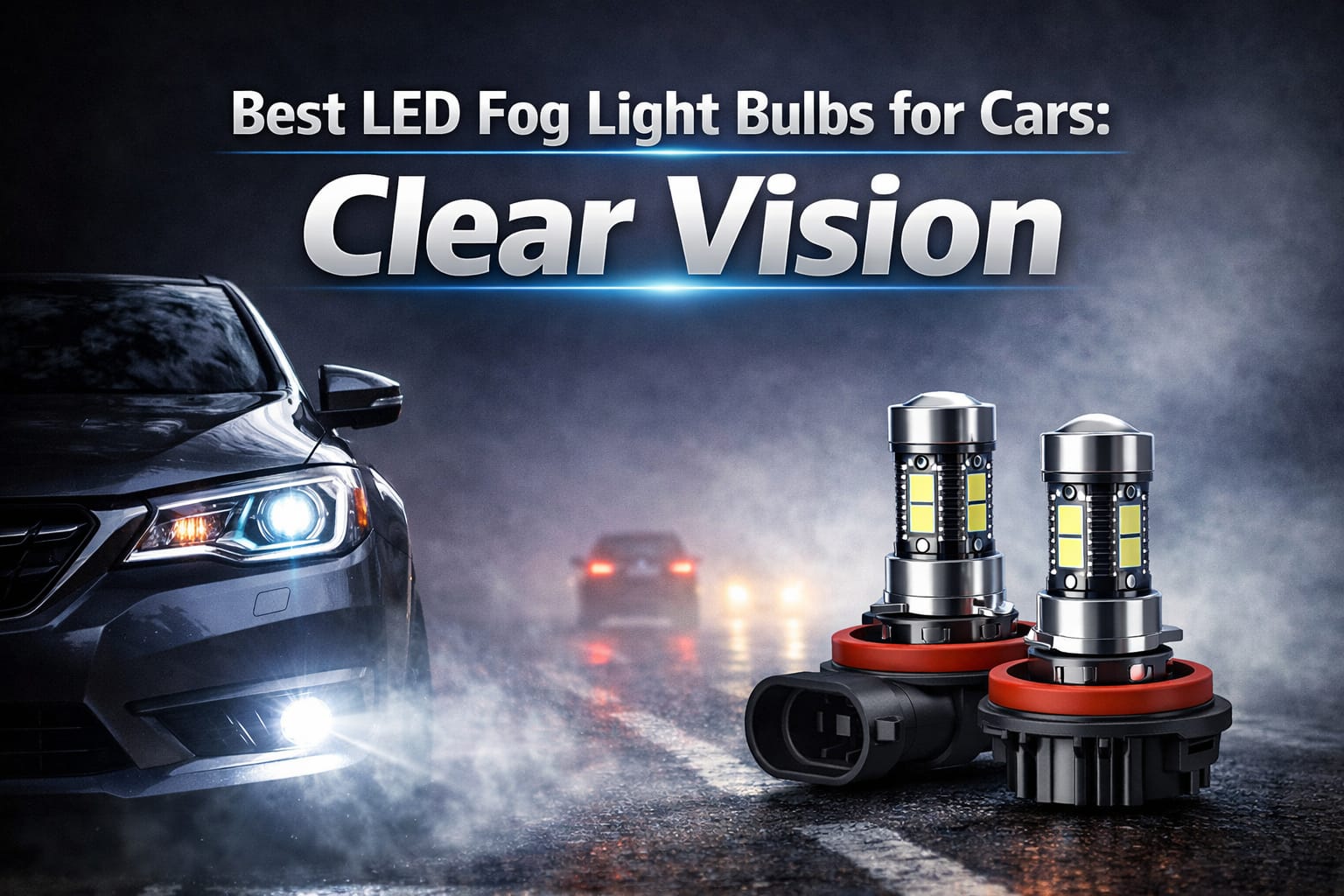
Quick Answer
The best LED fog light bulbs are not simply the brightest ones. For real fog, rain, and night driving, choose bulbs that match your socket, keep the beam low and wide, avoid harsh glare, and stay reliable when the housing gets wet.
Table of Contents:
How to Choose LED Fog Light Bulbs That Actually Work
When comparing the best LED fog light bulbs, start with the driving problem you want to solve. Some drivers need better visibility on rural roads in thick fog. Others want cleaner light in rain and spray. Many simply want a sharper, more reliable upgrade than weak halogen fog lamps. Your ideal bulb should match your housing design, socket type, electrical system, and the kind of roads you drive on most often.
The biggest mistake is assuming that higher output automatically means better results. In reality, the best LED fog light bulbs for cars only perform well when the bulb size, chip position, and housing geometry are aligned. Good LED fog light bulbs should produce a controlled, low and wide beam rather than throwing light upward where it bounces off moisture and reduces contrast.
Factory halogen fog lamps are familiar and inexpensive, but they often fall short because they lack crisp edge definition. Drivers who switch from halogen to LED usually notice cleaner road detail first, not just a whiter color. If you are new to front-light upgrades, this beginner’s guide to car LED lighting explains how vehicle LED upgrades work before you compare specific bulbs.
A fog bulb that appears slightly dimmer during a driveway test may still outperform a brighter bulb on the road if it directs light low, evenly, and under control through mist and spray.
If you are planning a full front-end upgrade, fog lamps and headlights should complement each other instead of competing. This guide to upgrading headlight bulbs can help you understand how the main beam and fog beam should work together.
What Improves Visibility in Fog and Rain?
The best LED fog light bulbs perform well when they combine useful brightness with the right beam shape, placement, and consistency. A low-mounted fog lamp works best when its beam is wide enough to illuminate the near road, lane edges, shoulders, and reflective paint without flooding the air in front of the car.
Raw brightness can help, but only if the light remains controlled. A bulb that preserves the housing focus point can improve real fog light brightness because more light reaches the road instead of scattering into the mist. A bulb with poor chip placement can look impressive against a wall but create splashy foreground light, reduced contrast, and more eye fatigue on wet pavement.
Good upgrades also maintain visibility in fog during long night drives because the output stays stable as the bulb heats up. The U.S. Department of Energy’s LED lighting efficiency guidelines explain how LEDs can deliver useful light more efficiently than older technologies, but in a vehicle housing the real advantage comes from stable optics, controlled output, and proper fitment.
Avoid bulbs that appear very blue and are sold mainly as “super-bright fog lights.” In heavy moisture, overly cool output can create harsher reflections and make the road surface harder to read.
People often search for the strongest LED fog lights they can find, yet usable light beats uncontrolled light every time. For a deeper look at this difference, see this practical brightness guide for car lighting.
What to Check Before Buying LED Fog Light Bulbs
Do not be fooled by hype words like “ultra-bright” or “xenon white.” The best fog light bulbs should fit your socket correctly, clear the dust cover if your housing uses one, manage heat properly, and keep water away from the bulb body and connector area. A bulb that works well for one rainy week but fails after months of spray, grit, salt, or temperature changes is not a real upgrade.
✅ Socket fit and housing clearance
Check the exact bulb size before buying. Even strong bulbs can be frustrating if the driver box, connector, cooling base, or dust cover clearance does not fit your fog light housing.
✅ Chip placement and reflector alignment
Look for a design that closely matches the original filament position. This keeps the beam pattern usable and prevents stray light from bouncing back in the mist.
✅ Low and wide beam spread
Fog lamps should illuminate the road low and wide, not far and high. This improves visibility in fog and preserves contrast when the air is full of moisture.
✅ Cooling and steady output
A compact heat sink or efficient fan helps maintain LED performance over longer drives. A stable light is more valuable than a brief burst of showroom brightness.
✅ Waterproof sealing and connector protection
Fog lights sit low on the vehicle, collect road spray, and face sudden temperature changes. Reliable sealing helps prevent condensation, corrosion, and early failure.
At this stage, many shoppers compare the best fog lights for cars based on brightness claims alone, but durability and fitment matter just as much. If your goal is to replace factory lighting with modern components, this article on upgrading car bulbs to LEDs is useful before you commit.
For drivers who want a simple first upgrade, a compact 360-degree LED fog bulb for plug-and-play upgrades can make sense when the housing has enough clearance and the beam remains controlled. It is a better fit for everyday visibility than for drivers chasing maximum output numbers.
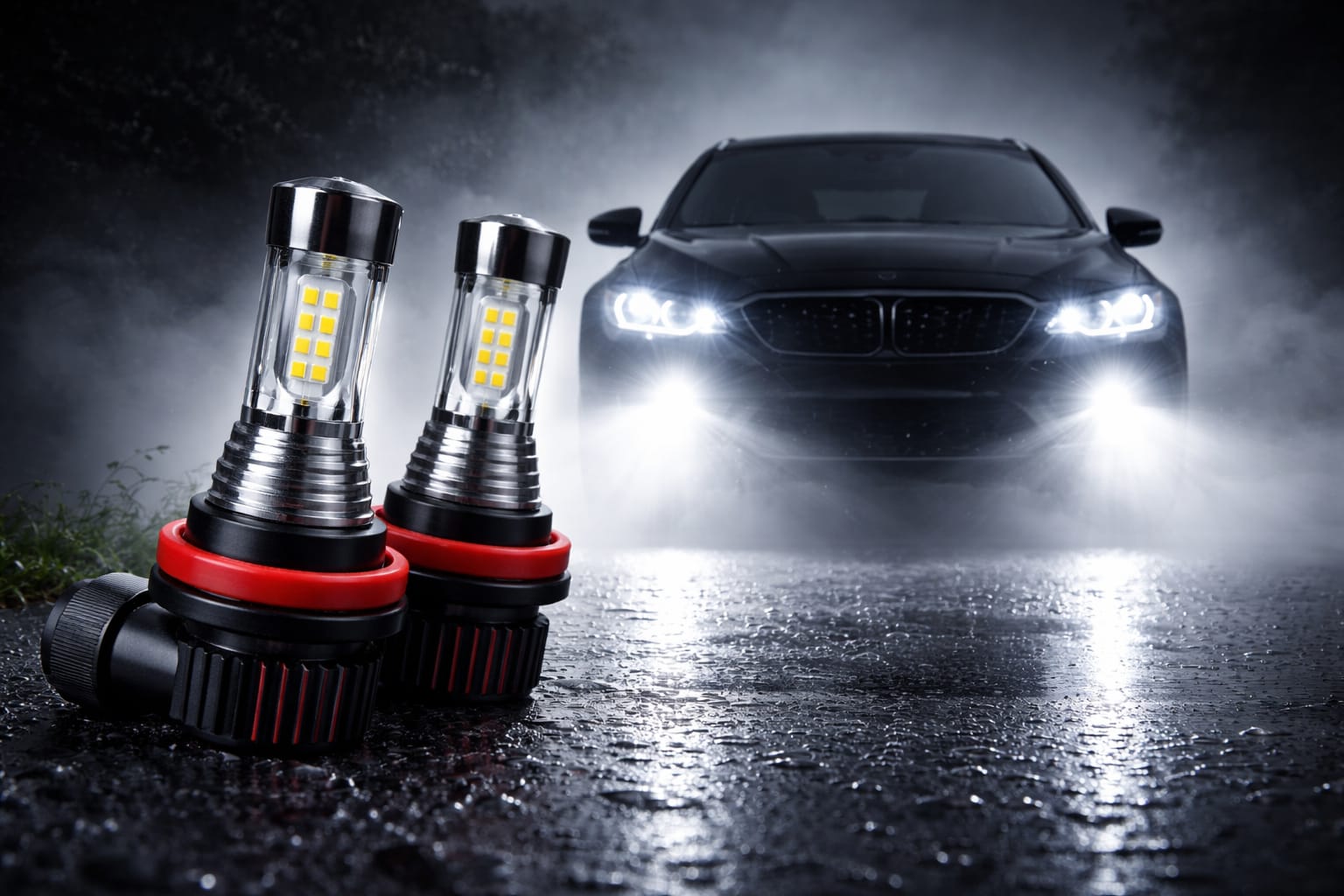
Which LED Fog Bulb Setup Should You Choose?
Not every driver needs the same LED fog light upgrade. The right choice depends on where you drive, how often you use fog lamps, how sensitive your vehicle is to flicker, and whether you care more about clean daily visibility or stronger performance on dark rural roads.
Best for daily commuting in rain: Choose a compact plug-and-play bulb with a controlled beam spread, moderate color temperature, and stable output. This type is usually enough for city driving, wet roads, and short-range road-edge visibility.
Best for rural roads and darker routes: look for stronger thermal control, disciplined optics, and reliable waterproofing. Rural drivers benefit from cleaner shoulder illumination and a beam that does not wash out wet pavement.
Best for vehicles sensitive to flicker: prioritize stable electrical behavior over extreme brightness. A flickering fog lamp is distracting and can make an otherwise good upgrade feel unreliable.
A sensible mid-tier option, such as a flicker-resistant plug-and-play LED fog light pair for daily driving, is a natural fit when you want crisp white output, compact installation, and dependable low-light visibility without making the upgrade overly complicated.
When comparing LED and halogen front lighting, remember that fog lamps are not judged by maximum reach. They are judged by how well they support safe, predictable driving in poor weather at short-to-medium distances.
Installation, Fitment, Color and Glare Checks
Even the best LED fog light bulbs can disappoint if installed without a quick verification routine. Before closing everything up, test the angle of each bulb, confirm the connector is seated properly, and check how the beam sits against a wall at a reasonable distance. You are not trying to achieve a perfect projector cutoff, but you do want symmetry and adequate road coverage.
Some vehicles accept a direct bulb swap with no issues, but others require more attention. A bulb may turn on correctly and still perform poorly if the collar does not sit at the right depth, the chips are rotated incorrectly, the housing was not designed for aftermarket LEDs, or the electrical system is sensitive. If your state or country has stricter rules for aftermarket front lighting, review this country-by-country legality guide before finalizing the upgrade.
- ✓ Confirm that both bulbs lock fully into the housing without twisting back out.
- ✓ Check that the beam sits low and even instead of splashing light upward.
- ✓ Make sure the covers, seals, and connectors are fully closed against water and dirt.
- ✓ Test the lights after a short drive to catch heat-related movement or flicker.
- ✓ Verify that the upgrade complements, rather than overwhelms, your main headlights.
Color temperature matters here. A colder, bluer bulb may look modern, but it can reflect more harshly off moisture and flatten contrast on wet pavement. The safest choice for most drivers is a crisp white output that looks clean without becoming icy blue. If reducing harsh reflections is one of your goals, this guide to cutting unwanted glare explains what to check.
For buyers using common H11, H8, or H16-style fog light fitments, a 1:1 replacement LED fog bulb setup for easier installation can be a practical choice when you want stronger forward visibility, a compact body, and a simpler upgrade path. Always confirm your exact socket and housing space before ordering.
If your fog lamps appear bright yet the road looks washed out, assess the beam on wet pavement rather than only on a wall. Contrast on the road matters more than visual intensity in the air.
Overall, the best fog lights for cars are the ones that promote road safety by providing consistent, useful light rather than excessive cosmetic intensity. A balanced setup works better with your main headlights and avoids an awkward mismatch when one lighting element is dramatically harsher than the rest. For more vehicle LED guidance, visit the LED Knowledge Center.
FAQ
Most buying decisions come down to three issues: whether the bulb will actually help in fog and rain, whether it will create glare, and whether the installation will stay reliable over time. These answers focus on real-world use rather than packaging claims.
Are LED fog bulbs actually better in heavy fog and rain?
Yes, as long as the bulb maintains a low, controlled beam pattern and stable output. A well-matched LED upgrade can improve visibility of the road edge, lane definition, and short-range contrast in wet weather. Bulbs that scatter light upward often perform worse, even when they appear brighter during a garage or driveway test.
What color and beam style should drivers look for?
Look for crisp white output with a low, wide beam rather than an overly blue tint. In real driving conditions, usable spread is more important than raw intensity. A focused beam helps preserve contrast, while a wide pattern helps illuminate road edges and the near-field area.
Can a plug-and-play LED fog bulb still need extra checks?
Absolutely. Even a direct-fit bulb should be tested for alignment, connector seating, housing clearance, beam height, and moisture protection. A bulb may turn on properly yet still provide poor road coverage if the chips are misplaced, rotated incorrectly, or not properly sealed.
Are the brightest LED fog lights always the best choice?
No. The brightest option can perform poorly if the beam scatters upward, creates glare, overheats, or does not match the housing. For fog and rain, beam control, fitment, sealing, and stable output usually matter more than the highest lumen claim.
Key Takeaways
The best LED fog light bulbs for cars improve low-road contrast, preserve beam control, and remain reliable in wet weather. Stronger output is helpful only when the bulb matches the housing and directs light where drivers actually need it.
When shopping, prioritize beam pattern, socket fit, waterproof sealing, heat management, color temperature, and stable performance over inflated brightness claims. Good LED fog light bulbs should make rain, spray, and dark roads easier to read without adding harsh glare.
After installation, test the beam before relying on the lights in bad weather. A five-minute check for alignment, sealing, flicker, and wet-road contrast can prevent weeks of disappointing real-world performance.
Sharing This Guide
If you found this guide helpful, save it or share it with someone who’s still using old bulbs.
Interested in learning more? Browse all related articles in our category section.