Best LED Bulbs for Living Rooms: Smart Guide 2026
Finding the best LED bulbs for living rooms creates welcoming spaces where families gather, guests socialize, and daily life unfolds. The right lighting transforms your living area from ordinary to extraordinary while reducing energy costs and maintenance hassles. This comprehensive smart guide explores essential factors for selecting perfect bulbs that match your lifestyle, décor, and functional needs.
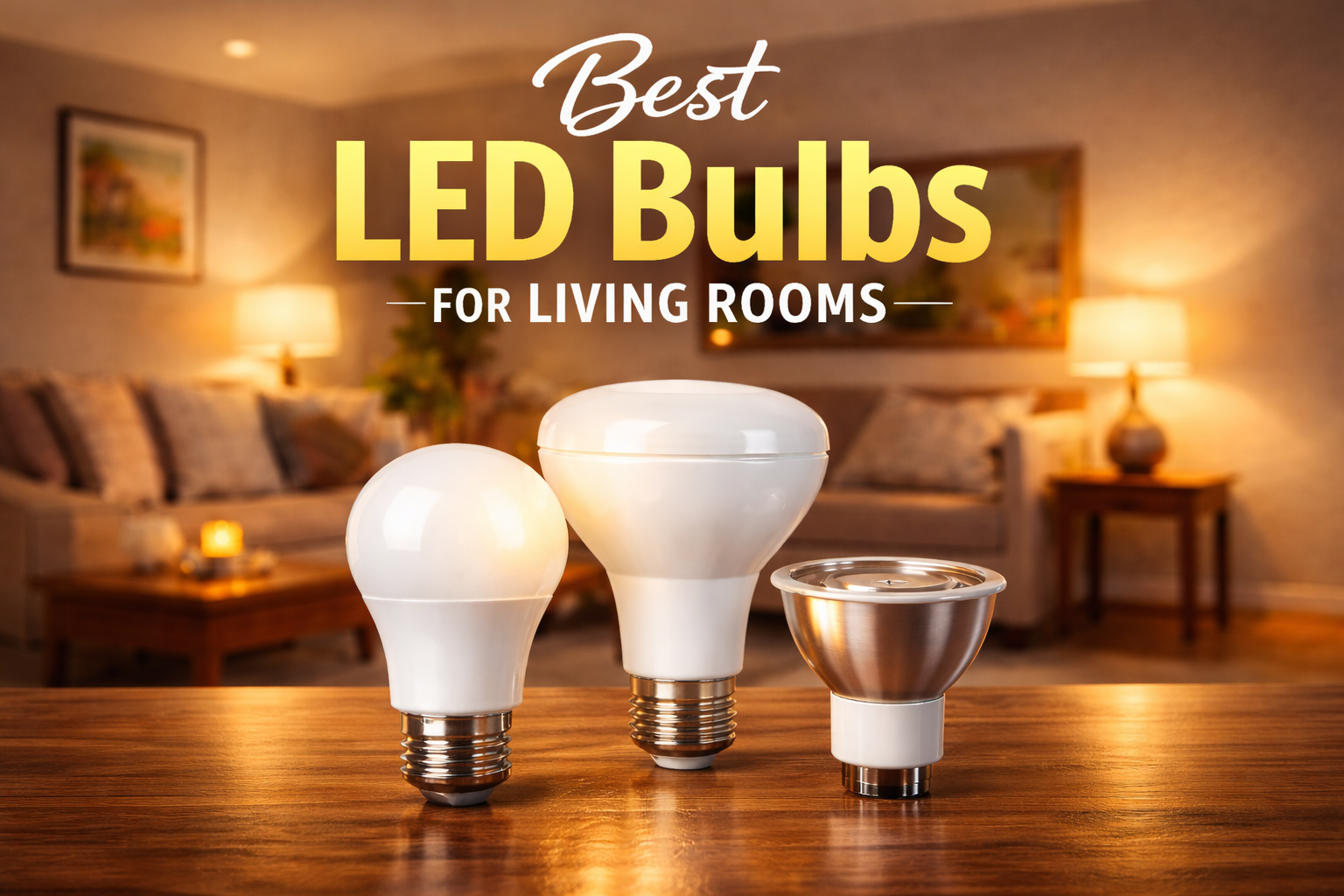
Planning a complete lighting upgrade instead of simply replacing bulbs? Our detailed living room LED lighting guide explains how to combine ceiling fixtures, accent lighting, and smart controls to create balanced and comfortable spaces.
Table of Contents
Brightness Requirements
Selecting appropriate brightness levels ensures comfortable illumination for various activities without overwhelming your space. Living rooms typically require 1,500 to 3,000 lumens total depending on room size and ceiling height. Bright LED bulbs delivering 800 to 1,600 lumens work well for overhead fixtures, while accent lamps use 400 to 800 lumens for softer ambiance.
Calculate your needs by multiplying square footage by 20 lumens per square foot for general illumination. A 200-square-foot living room needs approximately 4,000 lumens distributed across multiple fixtures rather than concentrated in one source. This calculation provides baseline requirements that adjust based on natural light availability and personal preferences.
Layered lighting combines ambient, task, and accent sources at different intensities. Ceiling fixtures provide overall illumination using bright LED bulbs, while table lamps create reading zones with focused light. Floor lamps and wall sconces add atmospheric depth without excessive brightness, creating dimensional living room LED lighting schemes.
Adjusting for Room Size
Larger living areas exceeding 300 square feet benefit from multiple lighting zones rather than single central fixtures. Distributed sources prevent harsh shadows and ensure even coverage throughout the space. Smaller rooms under 150 square feet achieve adequate brightness with fewer, strategically placed bulbs.
Vaulted or high ceilings require brighter bulbs because light dissipates over greater distances before reaching eye level. Standard eight-foot ceilings work well with moderate lumen outputs, while ten-foot or higher ceilings need 20-30% more intensity. Consider these architectural factors when planning living room LED lighting installations.
Color Temperature Selection
Color temperature profoundly influences mood and functionality in living spaces where diverse activities occur. Measured in Kelvin, this specification ranges from warm amber tones around 2700K to cool daylight hues at 5000K or higher. The best LED bulbs for living rooms typically fall between 2700K and 3500K, creating inviting atmospheres suitable for relaxation and entertainment.
Warm temperatures around 2700K mimic traditional incandescent lighting, producing cozy golden glows perfect for evening gatherings. Neutral whites between 3000K and 3500K offer versatility for spaces serving multiple purposes throughout the day. Color temperature options allow customization based on your living room’s primary functions and design aesthetic.
Many homeowners mix temperatures strategically, using warmer bulbs for ambient fixtures and slightly cooler tones for task lighting near reading chairs or workspaces. If you want a dependable option, a solid example is dimmable filament bulbs with warm vintage glow, which is known for stable long-term performance. This approach maintains overall warmth while providing adequate clarity for detailed activities. Consistency within the same visual field prevents distracting color clashes between adjacent light sources.
Matching Décor Styles
Traditional and rustic interiors pair beautifully with warmer 2700K temperatures that enhance wood tones and earthy colors. Modern and contemporary designs often incorporate neutral 3000K to 3500K whites that complement sleek finishes and minimalist palettes. Understanding these relationships helps you select color temperature options that harmonize with existing furnishings.
North-facing rooms receiving limited natural light benefit from slightly warmer artificial sources that compensate for cool daylight. South-facing spaces flooded with sunshine work well with neutral temperatures that balance warm natural illumination. Geographic orientation influences how artificial lighting interacts with your environment throughout daily cycles.
Dimming Features
Dimming capabilities rank among the most valuable features when identifying the best LED bulbs for living rooms. Adjustable intensity supports diverse activities from movie watching to formal entertaining, adapting brightness to specific needs. Quality dimmable products maintain consistent color temperature across the full range without flickering or humming.
Verify compatibility between bulbs and existing dimmer switches before purchasing to avoid performance problems. LED-rated dimmers prevent common issues like limited range, buzzing sounds, and premature failure. Trailing-edge dimmers typically perform better with LED loads than older leading-edge models designed for incandescent bulbs.
Some advanced bulbs offer smooth dimming down to one or two percent brightness, creating dramatic low-light scenes impossible with basic dimmable products. This extended range proves especially useful for home theater setups and romantic evenings. Premium living room LED lighting systems justify higher costs through superior dimming performance and reliability. Similar to selecting appropriate illumination for private relaxation spaces, dimming functionality enhances versatility significantly.
Smart Dimming Solutions
Smart bulbs eliminate traditional dimmer switches entirely through app-based or voice-controlled brightness adjustment. These connected products integrate with home automation platforms, enabling preset scenes and schedules. Wireless control provides unprecedented flexibility for creating customized lighting moods throughout your living area.
Group control allows simultaneous dimming of multiple bulbs from single commands, coordinating entire rooms effortlessly. Advanced systems remember preferred settings for different activities like reading, watching television, or hosting parties. Smart dimming represents the future of living room LED lighting management for tech-savvy homeowners.
Energy Efficiency
Energy efficiency stands as a primary advantage driving widespread adoption of the best LED bulbs for living rooms. LED technology consumes approximately 75-80% less electricity than traditional incandescent alternatives while producing equivalent brightness. This dramatic reduction translates directly into lower utility bills and reduced environmental impact over decades of operation.
A typical 60-watt incandescent replacement LED uses only 8-10 watts while delivering similar lumens. Multiply these savings across multiple living room fixtures running several hours daily, and annual costs decrease substantially. Another practical alternative is app-controlled smart bulbs with scheduling and dimming, which works well in real-world home environments. The ENERGY STAR program certifies products meeting strict efficiency standards, providing reliable guidance for environmentally conscious consumers.
Beyond electricity savings, LEDs generate minimal heat compared to incandescent technology. This reduced thermal output keeps living spaces cooler during warm months, decreasing air conditioning demands. Lower heat emission also protects lampshades, fixtures, and nearby furnishings from heat-related damage or discoloration over time.
Calculating Return on Investment
Understanding lifetime economics justifies initial LED investment despite higher upfront costs. Calculate total ownership expenses including purchase price, energy consumption, and replacement frequency over 15 to 25 years. Most households recover LED costs within the first 12 to 18 months through reduced power bills alone.
Online calculators help estimate specific savings based on local electricity rates and usage patterns. Extended lifespans eliminate frequent bulb replacements, saving money and reducing maintenance headaches. Quality products with long warranties provide additional financial protection against premature failures. You can review detailed analysis showing comprehensive cost advantages over traditional technologies.
Bulb Types and Shapes
Selecting appropriate bulb shapes ensures proper fit within existing fixtures and optimal light distribution throughout your living area. Standard A19 bulbs fit most table lamps and some ceiling fixtures, offering versatile applications. Globe bulbs create decorative aesthetics in exposed pendant fixtures, while reflector styles direct light efficiently in recessed cans.
BR30 and PAR38 bulbs excel in recessed downlights, focusing illumination downward rather than scattering light omnidirectionally. Candelabra-base bulbs suit chandeliers and decorative fixtures requiring smaller profiles. The best LED bulbs for living rooms balance functional requirements with desired visual appearance across diverse fixture types.
Filament-style LEDs replicate vintage Edison aesthetics while providing modern efficiency, perfect for exposed-bulb designs popular in contemporary interiors. Clear versus frosted finishes affect light quality and glare, with frosted options creating softer, more diffused illumination. Consider these characteristics when matching bulbs to specific fixtures and applications.
Smart Technology
Smart LED bulbs integrate with home automation ecosystems, offering unprecedented control over living room LED lighting through smartphones, tablets, or voice commands. These connected products adjust brightness, color temperature, and even full-spectrum colors through intuitive applications. Scheduling capabilities automate lighting based on time of day or occupancy patterns, enhancing convenience and security.
Leading platforms include Philips Hue, LIFX, and Wyze, each offering unique features and price points. Integration with Amazon Alexa, Google Assistant, or Apple HomeKit enables voice control that feels futuristic yet practical. Group controls coordinate multiple bulbs simultaneously, creating cohesive ambiance across entire rooms with single commands.
Geofencing automatically adjusts lighting based on your location, turning bulbs on before arrival and off after departure. Scene creation saves preferred settings for activities like movie watching, entertaining guests, or quiet reading. The best LED bulbs for living rooms increasingly incorporate these intelligent features as technology becomes more affordable and accessible.
Privacy Considerations
Smart bulbs connect to home networks, potentially raising privacy and security concerns for cautious consumers. Choose reputable manufacturers committed to data protection and regular firmware updates. Network segmentation isolates smart devices from computers and phones, minimizing risks if lighting systems become compromised by external threats.
Review privacy policies carefully to understand data collection practices before purchasing connected products. Some companies gather usage patterns or integrate with advertising platforms. Non-smart alternatives provide excellent performance without connectivity concerns for privacy-focused individuals preferring traditional control methods.
Color Accuracy
Color Rendering Index (CRI) measures how accurately light reveals true colors compared to natural sunlight. Higher CRI values indicate better color fidelity, with ratings above 90 considered excellent for residential applications. The best LED bulbs for living rooms typically offer CRI between 80 and 95, ensuring furnishings, artwork, and textiles appear natural and vibrant.
Poor CRI makes colors appear washed out, flat, or distorted, diminishing your living room’s visual appeal. Quality products with high CRI create inviting atmospheres where reds, blues, greens, and skin tones render beautifully. This specification matters especially in living spaces showcasing decorative elements, family photos, or prized possessions.
Budget bulbs often sacrifice CRI to reduce manufacturing costs, resulting in disappointing color quality despite correct brightness and temperature. Investing in higher-CRI options improves visual comfort and makes living areas more pleasant environments for daily activities. Premium manufacturers prominently display CRI ratings on packaging, signaling commitment to superior light quality.
Longevity and Warranties
LED bulbs last significantly longer than incandescent or compact fluorescent alternatives, with rated lifespans between 15,000 and 50,000 hours. At three hours daily use, quality bulbs operate reliably for 13 to 45 years before requiring replacement. This exceptional longevity eliminates frequent bulb changes, reducing long-term costs and maintenance frustrations.
Durability extends beyond operational hours to include resistance against vibration, temperature fluctuations, and electrical surges. Solid-state LED construction contains no fragile filaments or glass tubes prone to breakage. Robust design makes them ideal for living room LED lighting in active households with children or pets where accidental impacts occur.
Manufacturer warranties indicate confidence in product longevity, with reputable brands offering three to five year guarantees. For a more permanent upgrade, many users switch to wide-angle BR30 bulbs built for recessed fixtures, which offers consistent results over time. The best LED bulbs for living rooms include comprehensive warranty coverage protecting against premature failures. Extended warranties justify higher prices through demonstrated reliability and responsive customer support when problems arise.
Factors Affecting Lifespan
Heat management critically influences LED longevity since excessive temperatures accelerate component degradation. Well-designed bulbs incorporate heat sinks dissipating thermal buildup effectively. Enclosed fixtures trap heat, so verify bulbs are rated for such applications to prevent shortened lifespans and premature failures.
Frequent on-off cycling affects some LED designs more than others, though modern products handle switching far better than compact fluorescents. Driver quality determines how well bulbs tolerate voltage fluctuations and electrical noise common in residential wiring. Premium components ensure consistent performance throughout rated lifespans advertised by manufacturers.
Fixture Compatibility
Installing the best LED bulbs for living rooms requires verifying compatibility with existing fixtures to avoid performance problems. Most LEDs work with standard lamp bases and ceiling fixtures without modifications or adapters. Base types include E26 (standard), E12 (candelabra), and specialty formats like GU10 for track lighting applications.
Enclosed fixtures require bulbs specifically rated for such applications because restricted airflow traps heat affecting performance and lifespan. Three-way lamps need three-way LED bulbs providing multiple brightness levels through compatible sockets. Touch-activated lamps may require compatible bulbs, though most modern LEDs work correctly with touch controls.
Physical dimensions matter especially in tight spaces where oversized bulbs may not fit properly. Check maximum wattage ratings printed on fixtures, though LEDs’ low power consumption rarely approaches these limits. Reading product specifications prevents compatibility problems before installation, saving time and avoiding frustration.
Budget Planning
LED bulb prices range from budget options under three dollars to premium smart products exceeding forty dollars. While lower-priced bulbs tempt cost-conscious shoppers, they often compromise on CRI, lifespan, or dimming performance. The best LED bulbs for living rooms balance upfront costs against long-term value through quality construction and reliable warranties.
Mid-range bulbs between eight and fifteen dollars typically deliver excellent performance without advanced smart features. These options provide high CRI, smooth dimming, and extended warranties justifying moderate prices. Value-oriented choices offer optimal balance between economy and quality for most living room applications requiring dependable illumination.
Consider total ownership costs including energy savings, replacement frequency, and warranty coverage when comparing prices. Cheap bulbs requiring replacement every few years ultimately cost more than quality alternatives lasting decades. Investing appropriately in living room LED lighting delivers better experiences and superior economics over extended periods.
Top Picks
Several manufacturers consistently produce outstanding products across various price points and feature sets. Philips offers reliable performance with excellent CRI and smooth dimming in both standard and smart bulb lines. Cree bulbs provide exceptional value with long warranties and proven durability in residential applications nationwide.
For smart capabilities, Philips Hue leads the market with mature ecosystems supporting extensive automation and full-spectrum colors. LIFX offers comparable features without requiring separate hubs, simplifying installation. Budget-conscious shoppers find good performance from major retailers’ store brands meeting basic requirements.
Feit Electric balances quality and affordability with wide product ranges including specialty shapes and sizes. GE Lighting continues innovating with reliable products suitable for various living room applications. The best LED bulbs for living rooms ultimately depend on individual priorities regarding features, budget constraints, and aesthetic preferences.
Installation Tips
Installing bright LED bulbs follows the same basic process as traditional bulb replacement with power turned off for safety. Allow hot incandescent bulbs to cool before removal to prevent burns. Screw bulbs clockwise until snug but avoid overtightening which may damage sockets or bulb bases over time.
Test dimming functionality immediately after installation to verify compatibility between bulbs and controls. If flickering or limited range occurs, consider upgrading to LED-rated dimmer switches. For recessed cans, ensure bulbs don’t exceed fixture depth or diameter specifications provided by manufacturers.
When replacing multiple bulbs simultaneously, maintain consistency in color temperature across visually connected fixtures. Mixing temperatures creates distracting color clashes that diminish overall aesthetic quality. Label bulb boxes with temperature and brightness specifications for easy reference during future replacements.
Common Errors
Many people purchase bulbs without checking color temperature specifications, assuming all white LEDs are identical. This mistake leads to harsh, unwelcoming environments when cool whites replace intended warm alternatives. Always verify Kelvin ratings match desired ambiance before buying living room LED lighting products for your home.
Ignoring dimmer compatibility causes frustration when non-dimmable bulbs flicker or fail in dimming circuits. Similarly, using standard dimmers with LEDs produces poor results without LED-rated controls. Understanding compatibility requirements prevents wasted money on unsuitable products that underperform or fail prematurely.
Overlooking CRI leads to disappointing color quality despite correct temperature and brightness selection. Cheap bulbs with CRI below 80 make rooms feel clinical rather than inviting. Prioritizing this specification alongside other factors ensures the best LED bulbs for living rooms deliver satisfying illumination quality and visual comfort.
Avoiding Excessive Brightness
Installing overly bright bulbs creates uncomfortable glare disrupting relaxation and conversation. Start with moderate lumen levels, recognizing you can always increase intensity through additional fixtures or brighter replacements. Layered approaches using multiple lower-wattage sources provide better control than single intense overhead fixtures.
Match lumen outputs to previous comfortable levels from incandescent bulbs, then adjust gradually based on experience. Color temperature options paired with appropriate brightness create balanced environments supporting diverse activities. Dimmable products offer insurance against over-brightness by allowing intensity reduction when needed throughout daily routines.
Sharing this guide
If you found this guide helpful, you can save it for later or share it with a friend. It’s especially useful for beginners, homeowners, and DIY users.
Share using the links below
Interested in learning more? Browse all related articles in our category section.
Pingback: Living Room LED Lights: Ultimate Guide for Perfect
Pingback: Warm Light vs Cool Light: Perfect Choice Explained
Pingback: Are LED Bulbs Safe for Eyes? Critical Facts Revealed