Beginner Guide to Lighting Design
Most rooms feel off because they rely on a single overhead fixture and call it done. A proper beginner guide to lighting design starts with understanding that good illumination works in layers — each one serving a different purpose, and all three working together to make a space feel comfortable and functional.
This guide covers the core concepts: how to layer light, choose fixtures, calculate brightness, match color temperature to each room, and avoid the mistakes that make even well-furnished spaces feel wrong. No experience required.
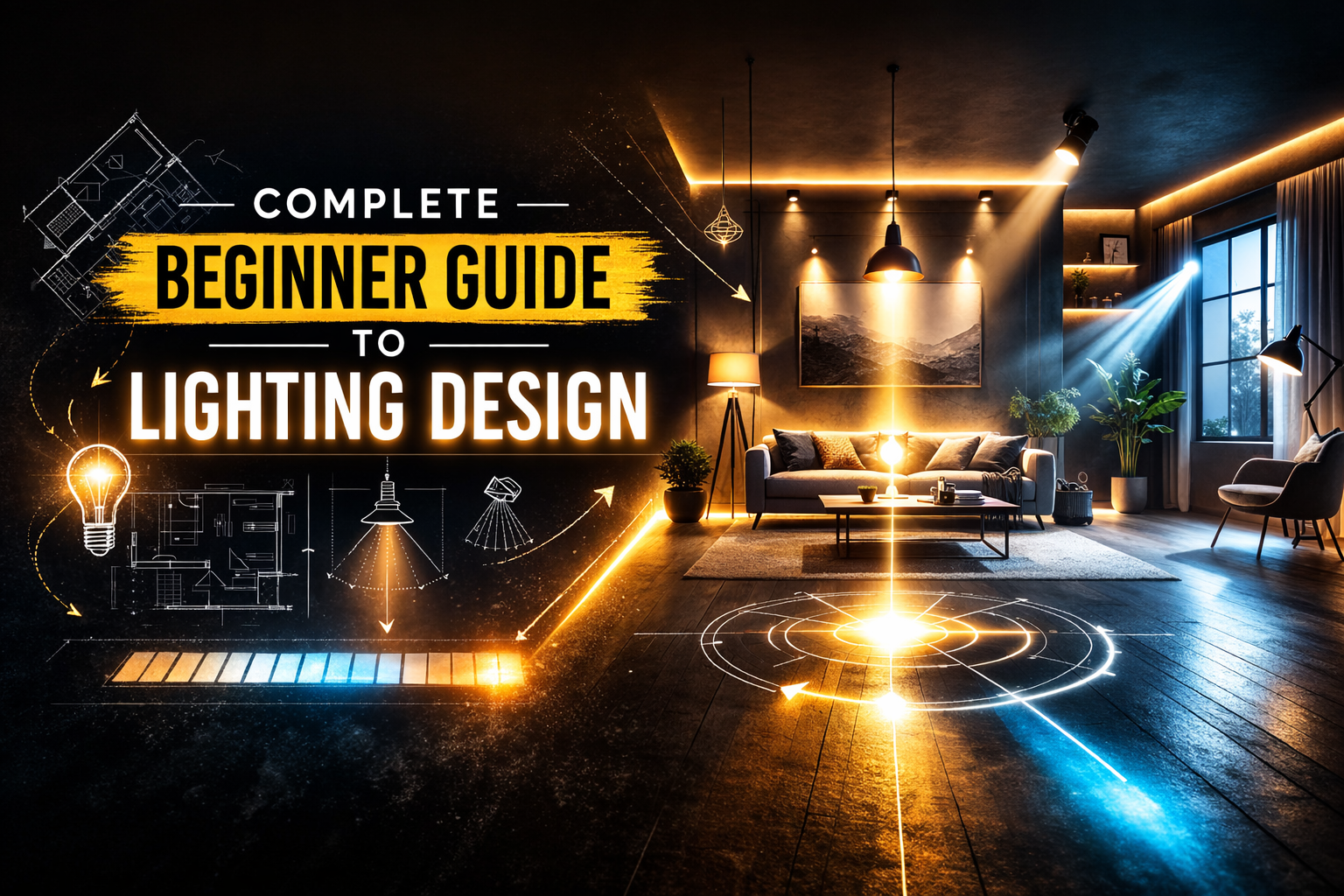
Table of Contents
Understanding Three Layers
Professional designers rely on ambient task accent lighting as the foundation for successful room illumination planning. This three-layer lighting approach addresses different functional needs while creating visual depth and flexibility. Ambient light provides overall illumination, task light focuses on specific activities, and accent light highlights architectural features or decorative elements throughout spaces.
Ambient lighting establishes the base illumination level that allows safe navigation and general visibility. Ceiling fixtures, recessed downlights, and wall sconces typically deliver this foundational layer. The goal is even distribution without harsh shadows or dark corners that make spaces feel unwelcoming or difficult to use during evening hours.
Task lighting targets specific work areas requiring focused illumination. Kitchen counters, reading nooks, home offices, and bathroom vanities all demand higher light levels than ambient sources provide. Under-cabinet strips, desk lamps, and vanity fixtures deliver concentrated illumination where activities require enhanced visibility and reduced eye strain during extended use periods.
Accent lighting adds drama and visual interest by highlighting artwork, architectural details, or plants. Track lights, picture lights, and uplights create focal points that draw attention to specific elements. This layer operates at lower intensities than task or ambient sources, creating contrast and dimensionality that prevents spaces from appearing flat or monotonous.
Choosing Fixtures
Fixture choice shapes not just how much light a room gets, but where it falls — which is often more important than raw brightness in any lighting layer strategy. Understanding the main categories helps you implement effective room illumination planning across different spaces without buying the wrong thing.
Fixture Categories
Recessed cans provide clean, unobtrusive ambient illumination ideal for modern aesthetics. Pendant fixtures deliver focused light while serving as decorative elements above islands, dining tables, or entryways. Chandeliers combine ambient and accent functions, creating visual centerpieces in formal spaces.
Wall sconces offer versatile ambient task accent lighting depending on placement and beam angles. Mounted at eye level, they minimize shadows on faces in bathrooms. Positioned higher, they wash walls with soft illumination that expands perceived room dimensions.
Bulb Selection
LED technology dominates contemporary installations due to superior efficiency and longevity. According to the U.S. Department of Energy LED lighting efficiency guidance, quality LEDs consume 75% less energy than incandescent alternatives while lasting 25 times longer — reducing both operational costs and maintenance burdens across residential applications.
Bulb shape affects light distribution patterns significantly. A19 bulbs provide omnidirectional output suitable for general ambient fixtures. BR30 and PAR38 reflector bulbs focus light downward, making them ideal for recessed cans and track heads. Choosing appropriate shapes ensures fixtures deliver intended beam patterns and coverage areas without unwanted spill or glare issues.
Color Temperature Basics
Color temperature measured in Kelvin dramatically influences room atmosphere and functionality within any beginner guide to lighting design. Warm white (2700–3000K) creates cozy, inviting environments suited for living rooms, bedrooms, and dining areas. Neutral white (3500–4100K) balances warmth and clarity, working well in kitchens, bathrooms, and offices where accurate color perception matters for grooming and food preparation tasks.
Cool white (5000–6500K) delivers crisp, energizing illumination appropriate for task-intensive spaces. Garages, workshops, and laundry rooms benefit from cooler temperatures that enhance visibility and reduce fatigue during detailed work. However, cool whites often feel harsh in relaxation spaces, making them poor choices for bedrooms or entertainment areas where comfort takes priority over task performance.
Mixing temperatures within single rooms requires careful consideration. Many designers recommend matching color temperatures within each lighting layer strategy while allowing variation between layers. Warm ambient light combined with neutral task lighting creates hierarchy without jarring transitions. For deeper exploration, detailed analysis of Kelvin ratings provides comprehensive guidance on matching temperatures to specific applications.
If a room feels “off” after switching to LED but brightness seems fine, color temperature is almost always the culprit. Try a warmer bulb before adding more fixtures.
Brightness Calculations
Calculating appropriate brightness levels prevents over-illumination or inadequate visibility in room illumination planning. Before diving into the numbers, it helps to understand lumens vs watts — since most packaging still lists wattage, not lumen output.
Lumens Per Square Foot
General living spaces require 20–30 lumens per square foot for comfortable ambient lighting. A 200-square-foot living room needs 4,000–6,000 total lumens distributed across multiple fixtures. Task areas demand higher intensities: kitchens need 50–75 lumens per square foot, while detailed work surfaces require 75–100 lumens per square foot for adequate visibility.
Ceiling height affects required lumen output significantly. Rooms with 9-foot ceilings need approximately 15% more lumens than standard 8-foot spaces. For spaces with lower ceilings, a dedicated guide to rooms with lower ceiling heights covers the specific approaches that maximize output without overwhelming compact spaces. Vaulted ceilings may require double the standard lumen calculations, making proper measurement essential to avoid costly fixture additions after installation completion.
Distribution Strategies
Spreading lumens across multiple fixtures creates more even ambient task accent lighting than single high-output sources. Four 1,000-lumen recessed lights produce superior uniformity compared to one 4,000-lumen chandelier. Multiple fixtures also enable independent zone control, allowing users to adjust illumination based on time of day or activity requirements without affecting entire rooms simultaneously.
Placement Principles
Strategic fixture positioning maximizes effectiveness while minimizing glare and shadows in any beginner guide to lighting design. Recessed downlights should space 4–6 feet apart, with perimeter fixtures positioned 18–24 inches from walls. For a complete walkthrough of spacing calculations and zone planning, a step-by-step guide to fixture positioning and spacing covers the full process. This arrangement creates even ambient coverage without excessive contrast between lit and shadowed areas that make spaces feel choppy or uncomfortable.
Task lighting requires positioning fixtures between users and work surfaces to prevent shadow casting. Under-cabinet strips mount toward the front edge of upper cabinets, illuminating counters without backlighting that creates glare on reflective surfaces. Reading lamps position slightly behind and above shoulders, directing light onto pages while keeping bulbs outside direct lines of sight that cause eye strain during extended use.
Accent fixtures require careful placement to avoid unwanted glare while highlighting intended features. Track lights angle 30 degrees from vertical when illuminating artwork — going beyond this risks reflections on glass or glossy finishes, so consulting a dedicated resource on avoiding glare from track and accent lights is worthwhile before finalizing angles. Wall washers position 12–18 inches from vertical surfaces, creating smooth gradients that emphasize texture without harsh shadows. Proper lighting layer strategy demands attention to these geometric relationships throughout planning and installation phases.
Living Room Strategies
Living rooms demand flexible room illumination planning supporting multiple activities — from entertaining to reading to watching films. Getting this right means thinking in layers from the start, not adding lamps as an afterthought when the overhead light feels too harsh.
Primary Seating Areas
Ceiling fixtures provide base ambient light, supplemented by floor lamps flanking seating areas for reading tasks. Table lamps on end tables add localized illumination without requiring overhead fixtures that might create unflattering shadows on faces during conversations or television viewing sessions.
Dimming capability proves essential in living spaces where lighting needs vary dramatically throughout the day. Morning configurations favor bright ambient levels for cleaning and organizing activities. Evening settings reduce output to create relaxed atmospheres conducive to entertainment and family time. Installing dimmers on all major circuits enables this flexibility without requiring multiple fixture installations or complex switching arrangements that increase costs substantially.
Accent Opportunities
Accent lighting transforms living rooms from purely functional spaces into visually interesting environments within ambient task accent lighting frameworks. Picture lights illuminate artwork, creating focal points that draw attention during gatherings. Uplights positioned behind plants cast dramatic shadows on ceilings, adding vertical interest in rooms with limited architectural features. Understanding how lighting affects mood and behavior helps explain why cove lighting along crown molding — which provides soft indirect illumination — enhances perceived ceiling height while avoiding glare issues common with direct fixtures.
Kitchen Requirements
Kitchens present unique challenges requiring robust beginner guide to lighting design implementation. Ceiling fixtures provide general ambient illumination, but counter work surfaces demand dedicated task lighting to prevent shadows during food preparation. Under-cabinet LED strips deliver focused illumination directly onto countertops, eliminating shadows cast by users standing at counters while upper cabinets block overhead fixture output completely in typical configurations.
Island lighting requires special consideration in open-plan layouts. Pendant fixtures position 30–36 inches above countertops, providing task illumination without obstructing sight lines across rooms. Spacing multiple pendants 24–30 inches apart ensures even coverage while creating visual rhythm. The ENERGY STAR guide to LED lighting basics recommends LED pendants for their cool operation, preventing heat buildup above cooking surfaces where temperatures already run high.
Cabinet interiors benefit from sensor-activated lighting layer strategy that illuminates contents automatically when doors open. Small LED pucks or strips install easily during renovations, powered by plug-in transformers that avoid hardwiring complications in existing cabinetry without accessible electrical junction boxes for permanent connections.
Bedroom Considerations
Bedroom room illumination planning prioritizes relaxation while accommodating task requirements for reading and dressing. Ceiling fixtures with dimming capability provide adjustable ambient light suitable for cleaning and organizing during daytime hours. Lowering intensity in evenings creates calming atmospheres that support sleep preparation, with warm color temperatures further enhancing restful environments conducive to healthy sleep schedules and circadian rhythm maintenance.
Bedside lighting enables reading without disturbing sleeping partners through focused task illumination. Swing-arm wall sconces or adjustable table lamps direct light precisely onto pages while shielding bulbs from sleepers’ sight lines. Three-way bulbs or integrated dimmers allow adjusting brightness from intense reading light to gentle nighttime navigation illumination preventing falls during bathroom trips.
Closet lighting transforms storage areas into functional dressing spaces within comprehensive ambient task accent lighting plans. Ceiling fixtures or LED strips along hanging rods illuminate clothing accurately, enabling color matching and outfit coordination impossible under inadequate lighting. Motion sensors automate activation, ensuring lights extinguish automatically when doors close to prevent energy waste from forgotten switches. For a complete approach, a dedicated bedroom lighting strategy guide covers every zone from ceiling to bedside in greater depth.
Bathroom Planning
Bathrooms have two distinct lighting zones that need completely different approaches: the vanity area, where grooming accuracy matters most, and the wet zone around the shower or tub, where safety codes dictate what fixtures are even permitted. Getting both right is essential in any complete beginner guide to lighting design.
Vanity Illumination
Bathroom lighting layer strategy focuses heavily on vanity areas where grooming tasks demand shadow-free illumination. Fixtures mounted on either side of mirrors at face height provide even lighting eliminating shadows under eyes, nose, and chin. This cross-illumination proves superior to single overhead fixtures that create harsh shadows making shaving, makeup application, and skincare routines more difficult and less accurate during daily personal care activities.
Color rendering proves crucial in bathrooms where accurate color perception affects grooming results. High-CRI bulbs (90+) render skin tones naturally, preventing the color distortions common with low-quality sources. Neutral white temperatures (3500–4000K) balance warmth and clarity, providing flattering yet honest lighting that translates accurately to natural daylight conditions outdoors.
Shower and Tub Zones
Wet location fixtures meet safety codes for shower and tub enclosures in proper beginner guide to lighting design implementations. Recessed downlights with sealed trim rings prevent moisture intrusion while providing adequate illumination for bathing safety. Dimming these fixtures creates spa-like atmospheres for relaxing soaks, while bright settings remain available for cleaning tasks requiring enhanced visibility to identify soap scum, mildew, or other maintenance concerns.
Control Systems
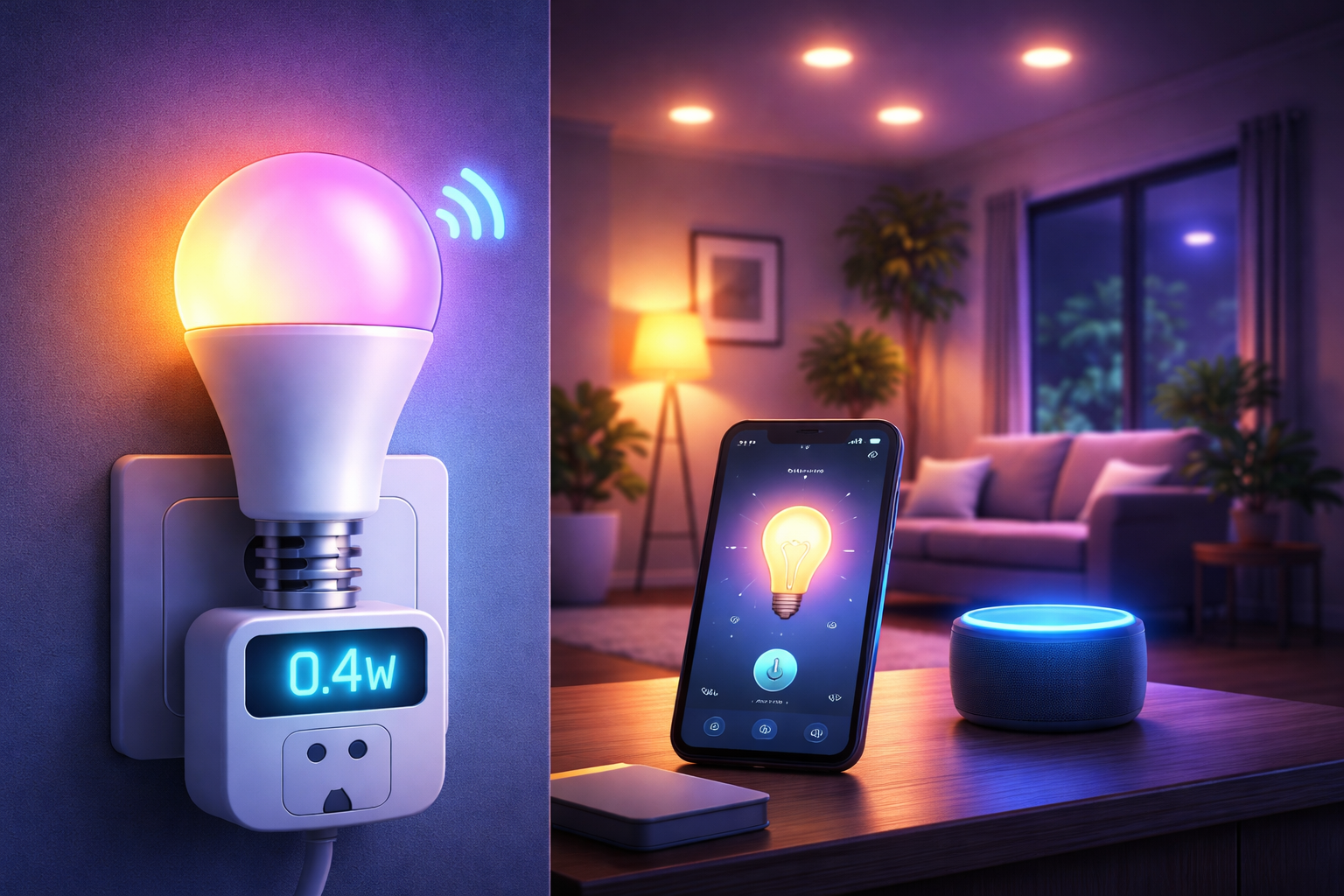
Modern control systems enhance room illumination planning flexibility through programmable scenes and automation. Smart switches enable preset configurations that recall specific brightness combinations across multiple circuits. “Movie mode” might dim ambient fixtures while maintaining task lighting for snacks, while “entertaining mode” brightens all layers creating welcoming atmospheres for guest gatherings without manual adjustment of individual switches throughout spaces.
Motion sensors automate lighting in transitional spaces like hallways, staircases, and mudrooms. These sensors activate fixtures upon detecting movement, then extinguish automatically after preset delays — improving safety while eliminating energy waste in infrequently occupied zones throughout residential layouts.
Voice control integration coordinates ambient task accent lighting with other smart home systems. Single commands adjust lights, thermostats, and audio simultaneously. “Good morning” routines gradually brighten bedroom lights while starting coffee makers, creating seamless transitions from sleep to waking without fumbling for multiple switches in dark early morning hours before sunrise.
Common Mistakes
Most lighting problems aren’t caused by bad fixtures — they’re caused by planning decisions made before a single bulb was bought. These are the errors that come up most often in beginner guide to lighting design projects, and all of them are avoidable.
Insufficient Fixture Quantity
Many beginners underestimate fixture requirements in their initial room illumination planning. Single central fixtures rarely provide adequate coverage in rooms larger than 100 square feet. Dark corners and uneven illumination create uncomfortable environments that feel cramped despite adequate physical dimensions. Reviewing common placement errors to avoid before starting any project saves significant time and money. Investing in sufficient fixtures from the start prevents costly retrofits when initial installations prove functionally inadequate for daily living requirements.
Neglecting specific lighting layer strategy layers compromises functionality and aesthetics simultaneously. Rooms with only ambient light lack visual interest and fail to support task-intensive activities adequately. Professional designers rarely omit any layer, understanding that each contributes essential qualities to successful illumination schemes across residential applications.
Ignoring Dimming Capability
Fixed-brightness installations limit flexibility unnecessarily in modern room illumination planning contexts. Dimming adds minimal cost during initial installations but proves expensive to retrofit later. Installing dimmers on all major circuits from day one provides maximum flexibility even when immediate requirements seem straightforward. Research confirms that whether dimmers actually reduce energy use is more nuanced than most homeowners assume — another reason to plan for them from the start rather than treating them as optional extras. A reliable starting point for dimmable ambient fixtures is this adjustable flush mount with dimming capability, which pairs well with standard dimmer switches and is known for stable long-term performance.
For everything beyond these fundamentals, browse comprehensive educational materials exploring advanced techniques, emerging technologies, and specialized applications that build upon basic principles established in this beginner guide to lighting design.
- ✓ Plan all three layers — ambient, task, and accent — before buying a single fixture.
- ✓ Match color temperature to the room: warm for bedrooms, neutral for kitchens and bathrooms.
- ✓ Calculate lumens per square foot — not watts — for each space before specifying fixtures.
- ✓ Install dimmers on all major circuits from the start — retrofitting is expensive.
- ✓ Use multiple fixtures for even distribution — never rely on a single central source.
Key Takeaways
The most important principle in any beginner guide to lighting design is layering. Ambient task accent lighting each serve a different purpose — and a room missing any one of them will feel incomplete regardless of how good the fixtures are. Plan all three before you buy anything.
Color temperature and lumen quantity are the two variables that most affect how a space feels to live in. Get the Kelvin wrong and a room feels clinical or flat regardless of brightness. Underestimate lumens and shadows take over. Both are easy to check on packaging once you know what to look for in room illumination planning.
Install dimmers from day one, use multiple fixtures instead of single sources, and don’t skip the task and accent layers to save money upfront. Those shortcuts are the most common reasons a beginner guide to lighting design project ends up needing a costly do-over.
Sharing this guide
If you found this guide helpful, save it or share it with someone planning a lighting project.
Interested in learning more? Browse all related articles in our category section.
Pingback: Ambient vs Task vs Accent Lighting: Master Guide - NeoLEDHub
Pingback: Common Lighting Placement Mistakes - NeoLEDHub
Pingback: Lighting Layout Planning: Complete Step-by-Step - NeoLEDHub
Pingback: Lighting Psychology: How Light Affects Mood - NeoLEDHub
Pingback: Bedroom Lighting Design: Expert Guide - NeoLEDHub
Pingback: Lighting for Low Ceilings: Best Ideas - NeoLEDHub
Pingback: Lighting Glare Reduction Guide - NeoLEDHub
Pingback: Lighting for Narrow Hallways: Design Tips - NeoLEDHub
Pingback: Lighting Design for Staircases: Safety & Style - NeoLEDHub
Pingback: Lighting for Windowless Rooms: Brightening Tips - NeoLEDHub
Pingback: Lighting Rooms With Dark Walls - NeoLEDHub