Replace Car Bulbs With LEDs: Complete Safe Guide
Modern drivers increasingly want to replace car bulbs with LEDs for better visibility, energy efficiency, and longevity. However, successful LED car bulb replacement requires understanding compatibility, legal regulations, and proper installation techniques to avoid issues with your vehicle’s electrical system and ensure road safety.
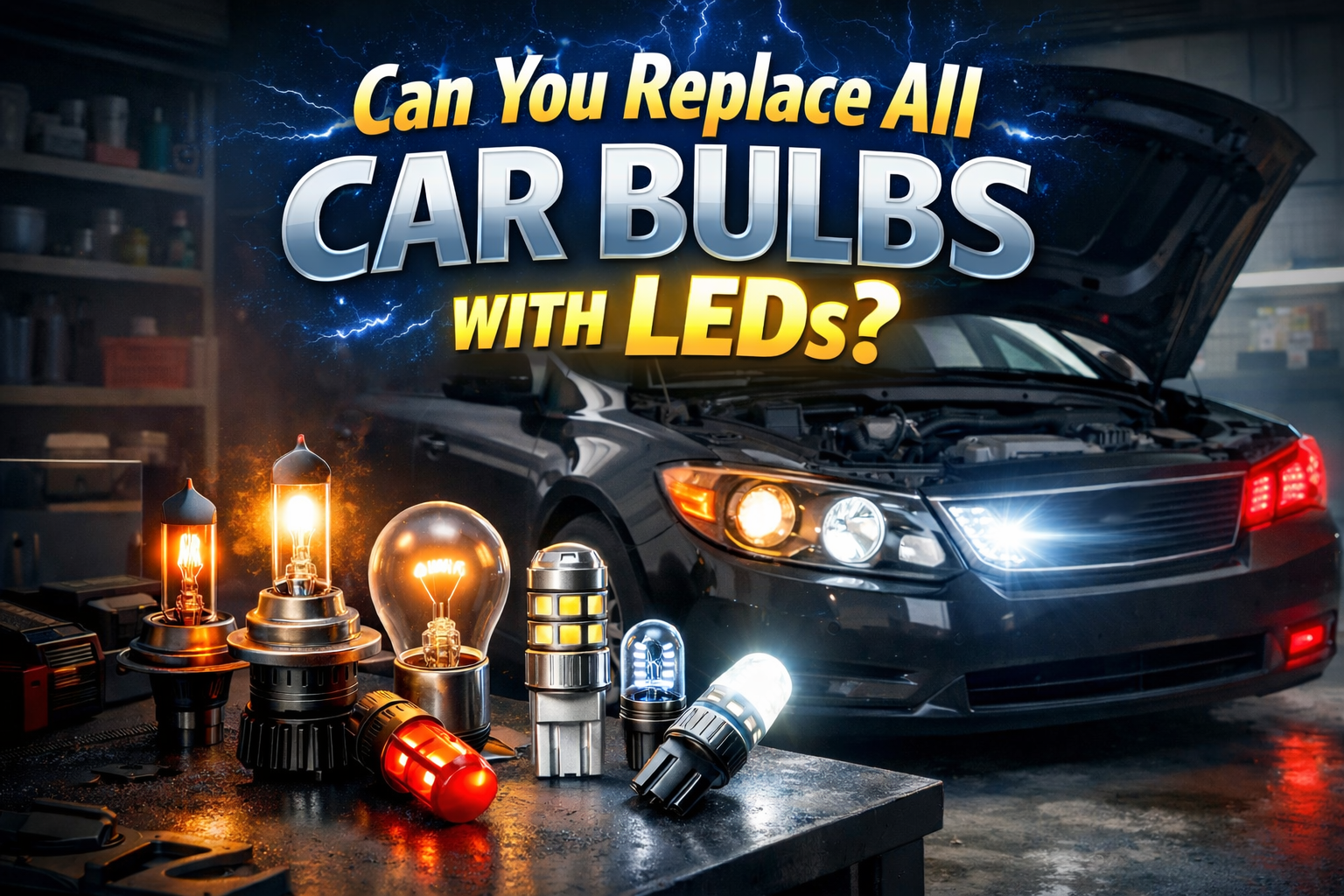
Table of Contents
Understanding the Basics
The automotive lighting industry has evolved dramatically over recent decades. Traditional halogen bulbs dominated vehicle lighting for years, but technology advances now make it possible to replace car bulbs with LEDs across most applications. Light-emitting diodes operate fundamentally differently than incandescent technologies, using semiconductor materials to produce illumination rather than heating metal filaments.
Understanding bulb socket types forms the foundation of successful conversion. Vehicles use standardized fittings like H1, H4, H7, H11, 9005, and 9006 depending on the manufacturer and model year. Each socket design serves specific functions, from low beams and high beams to fog lights and turn signals. Modern automotive LED bulbs replicate these traditional socket configurations, allowing direct replacement in many cases.
The electrical characteristics differ significantly between technologies. Halogen bulbs typically draw 55 watts for headlight applications, while comparable brightness from LEDs requires only 20-30 watts. This efficiency advantage means less strain on your alternator and battery system. However, the reduced power consumption can sometimes confuse vehicle computers designed to monitor bulb failure through current draw.
Compatibility Factors
Not every vehicle accepts LED retrofits equally well. Modern cars with CAN-bus systems actively monitor electrical loads and may register errors when you replace car bulbs with LEDs due to their lower power consumption. These onboard computers expect specific current signatures and trigger dashboard warnings when detected values fall outside programmed parameters. If you want a dependable option, a solid example is error-free LED bulbs built for CAN-bus vehicles, which reduces the risk of installation failure.
Electrical System Requirements
Older vehicles with simpler electrical architectures generally accept LED car bulb replacement without resistance or additional components. Cars manufactured before 2008 typically lack sophisticated monitoring systems, making conversion straightforward. However, premium brands like BMW, Mercedes-Benz, and Audi implemented advanced electronics earlier than mass-market manufacturers.
Many quality LED replacement products include built-in resistors or capacitors that simulate traditional load characteristics. These components prevent error messages while maintaining energy efficiency benefits. understanding power consumption differences helps explain why these load compensators prove necessary in computer-controlled vehicles.
Physical Fitment Challenges
Beyond electrical compatibility, physical space constraints affect successful installation. LED assemblies incorporate heat sinks, cooling fans, or driver circuitry that occupy more room than simple halogen capsules. Tight headlight housings may not accommodate bulkier LED designs, particularly in compact vehicles or motorcycles with limited rear clearance.
The light emission pattern represents another critical compatibility factor. Halogen bulbs radiate light omnidirectionally from a central filament positioned precisely within the reflector or projector housing. Quality automotive LED bulbs position their diodes to mimic this geometry, but poor designs create hotspots, shadows, or improper beam patterns that reduce visibility and may blind oncoming drivers.
Legal Considerations
Regulations governing automotive lighting vary significantly between jurisdictions. In the United States, the Federal Motor Vehicle Safety Standard 108 establishes requirements for vehicle lighting equipment. The standard primarily addresses original equipment manufacturer installations rather than aftermarket modifications, creating regulatory ambiguity around retrofits.
Some states explicitly prohibit replacing factory-installed halogen headlights with LED alternatives unless the replacement units carry Department of Transportation approval. DOT-approved LED assemblies undergo testing to verify they meet photometric requirements for beam pattern, intensity, and color temperature. However, most plug-and-play LED bulbs lack this certification because they’re designed for off-road use only.
European regulations through ECE standards take a stricter approach. Vehicles registered in EU member states must maintain lighting systems matching their type approval documentation. The halogen to LED conversion typically violates these requirements unless performed with certified retrofit kits that include modified headlight housings and self-leveling mechanisms where applicable.
Inspection Implications
Annual safety inspections in many regions include headlight aim and intensity measurements. Inspectors may fail vehicles with improper beam patterns regardless of bulb technology. When you replace car bulbs with LEDs, ensuring correct aim becomes even more critical because their increased intensity amplifies any misalignment issues.
Benefits Overview
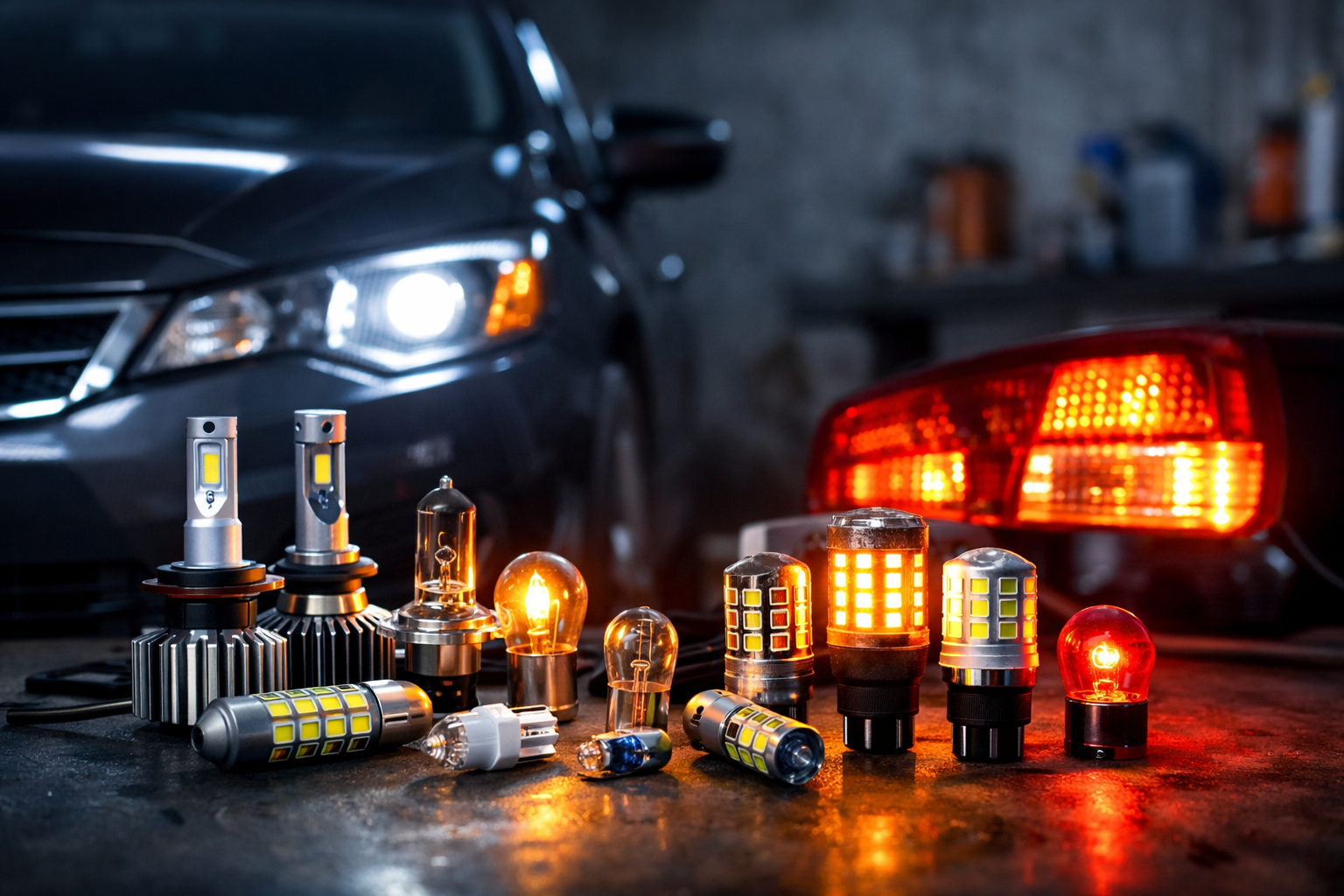
The advantages of LED car bulb replacement extend beyond simple aesthetics. Improved visibility ranks among the most significant benefits, with quality LEDs producing 200-300% more lumens than equivalent halogen bulbs while drawing substantially less power. This brightness increase translates to better road illumination, earlier hazard detection, and enhanced safety during night driving.
Longevity represents another compelling reason to replace car bulbs with LEDs. Premium LED products offer operational lifespans exceeding 30,000 hours compared to 1,000-2,000 hours for typical halogens. This durability means fewer replacements over your vehicle’s lifetime, reducing maintenance frequency and long-term costs despite higher initial investment.
Energy Efficiency Advantages
The reduced power consumption from automotive LED bulbs lessens alternator load, potentially improving fuel economy in marginal amounts. While individual bulb savings seem small, converting all exterior lighting to LED technology can reduce electrical draw by 100-150 watts. This efficiency proves especially valuable for vehicles with marginal charging systems or those running multiple accessories. Another practical alternative is fuse tap kit for safe low-current wiring connections, which performs reliably in everyday use.
Color temperature options provide aesthetic and functional benefits. Most halogen bulbs emit warm yellowish light around 3,200 Kelvin, while LED alternatives offer ranges from 3,000K to 6,500K. Cooler temperatures between 5,000-6,000K produce whiter light that many drivers find improves contrast and reduces eye strain during extended night driving.
Instant Illumination
Unlike halogen bulbs requiring warm-up time to reach full brightness, LEDs achieve maximum output instantly when powered. This immediate response proves particularly valuable for brake lights and turn signals where split-second advantages in visibility can prevent rear-end collisions. Studies from the National Highway Traffic Safety Administration suggest faster-responding brake lights reduce certain accident types.
Potential Drawbacks
Despite numerous advantages, the halogen to LED conversion presents legitimate challenges. Heat management issues top the list of concerns. While LEDs generate less total heat than halogens, they concentrate thermal energy in smaller areas. Inadequate cooling causes LED junction temperatures to rise, dramatically shortening lifespan and reducing light output.
Quality variations in the LED replacement market create reliability concerns. Premium manufacturers invest in proper thermal design, quality diodes, and robust driver circuits. Budget alternatives often use inferior components that fail prematurely or produce poor beam patterns. The price differential between quality products and cheap imports can reach 300-400%, tempting cost-conscious buyers toward problematic solutions.
Glare Concerns
Improperly designed or installed automotive LED bulbs create excessive glare for oncoming traffic. Reflector-style housings designed around halogen filament geometry may scatter LED light unpredictably. Projector housings generally perform better with LED retrofits because their focusing optics tolerate some deviation from original light source positioning.
Some drivers experience increased glare sensitivity from LED headlights even when properly aimed. The higher color temperature and concentrated intensity of LEDs affect human vision differently than warm halogen light. comparing modern lighting technologies reveals how different spectrums impact visual perception and driver comfort.
Installation Process
The procedure to replace car bulbs with LEDs varies by vehicle design and bulb location. Headlight access ranges from simple on some models to complex on others requiring wheel well liner removal or even bumper disassembly. Consulting vehicle-specific guides before purchasing LED replacements helps verify physical fitment and installation complexity.
Preparation Steps
Begin by disconnecting the battery negative terminal to prevent electrical shorts during installation. Allow existing halogen bulbs to cool completely if recently operated, as they reach temperatures exceeding 400 degrees Fahrenheit. Gather necessary tools including gloves, flashlight, and any specific implements required for your vehicle’s bulb access covers.
Document the existing wiring configuration with photographs before disconnection. LED car bulb replacement sometimes involves additional harness adapters or decoders, and reference images simplify correct reassembly. Note the orientation of the original bulb within its socket to ensure proper LED positioning for optimal beam pattern. For a more permanent upgrade, many users switch to trim removal tool set for pry-free panel access, which holds securely without damaging surfaces.
Installation Execution
Remove the factory bulb by releasing its retention clip or twisting the socket counterclockwise depending on your vehicle’s design. Handle the new LED assembly by its base rather than the optical components to avoid contamination. Insert the LED bulb into the socket ensuring proper alignment of any indexing tabs that control rotational position.
Secure the retention mechanism and route any external driver modules or cooling fan wiring away from moving components or excessive heat sources. Reconnect electrical connectors, verifying firm engagement to prevent intermittent operation. Some installations require mounting separate load resistors or CAN-bus adapters using provided hardware.
Testing Verification
Reconnect the battery and test all lighting functions before final reassembly. Verify low beams, high beams, turn signals, and any other converted positions operate correctly without dashboard warnings. Check beam patterns against a wall or garage door to confirm proper aim and cutoff characteristics, adjusting as necessary using the vehicle’s headlight adjustment screws.
Common Mistakes
Many enthusiasts make predictable errors when attempting halogen to LED conversion. Purchasing incompatible products represents the most frequent mistake. Failing to verify vehicle-specific compatibility beyond basic socket type leads to fitment issues, error codes, or poor performance that requires returns and delays.
Neglecting proper beam alignment after installation causes safety hazards. Even correctly designed automotive LED bulbs require aim verification because slight position variations within the housing affect beam projection. Skipping this step results in reduced road illumination or excessive glare for other drivers.
Avoiding Cheap Products
Budget LED replacements from unknown manufacturers often disappoint. These products use inferior diodes, inadequate heat sinks, and poorly designed driver circuits. Initial savings evaporate when premature failures require multiple replacements. Investing in reputable brands with proven track records and warranty support provides better long-term value despite higher upfront costs.
Maintenance Tips
Although LED car bulb replacement reduces maintenance frequency, some attention ensures optimal performance. Periodically clean headlight lenses to remove road film, bug residue, and oxidation that diminish light output regardless of bulb technology. Polishing clouded lenses restores clarity and maximizes the visibility benefits LEDs provide.
Inspect electrical connections annually for corrosion or loosening. The additional components often required for LED installations create extra connection points where moisture intrusion can cause problems. Applying dielectric grease during installation and checking these areas during routine service prevents intermittent operation.
Monitoring Performance
Pay attention to any changes in light output or color over time. While quality LEDs maintain consistent performance for years, cooling fan failures or driver circuit degradation can cause premature dimming. Address issues promptly rather than waiting for complete failure to preserve optimal visibility and safety.
Cost Analysis
The investment required to replace car bulbs with LEDs varies dramatically based on quality and application. Entry-level LED headlight bulbs start around twenty-five dollars per pair, while premium options from established manufacturers can exceed one hundred fifty dollars. Middle-tier products between fifty and eighty dollars typically offer the best balance of performance, reliability, and value.
Calculate total conversion costs including any necessary adapters, load resistors, or installation labor if professional help is required. Some vehicles need multiple bulb types across headlights, fog lights, and auxiliary positions. Complete exterior lighting conversion can approach three hundred to five hundred dollars depending on vehicle complexity and product selection.
Long Term Value
Despite higher initial costs, automotive LED bulbs deliver savings through extended lifespan and reduced replacement frequency. A halogen bulb lasting two thousand hours requires replacement every year or two depending on driving patterns. Premium LEDs lasting thirty thousand hours or more potentially outlast vehicle ownership, eliminating replacement costs entirely over that timeframe.
Sharing this guide
If you found this guide helpful, you can save it for later or share it with a friend. It’s especially useful for beginners, homeowners, and DIY users.
Share using the links below
Interested in learning more? Browse all related articles in our category section.