High-Brightness LED Strips: Essential Usage Guide
When planning your next lighting project, understanding when to deploy high-brightness LED strips can make the difference between adequate illumination and exceptional results. These powerful lighting solutions offer intensity levels that transform spaces, but knowing their optimal applications ensures you invest wisely and achieve the desired effect.
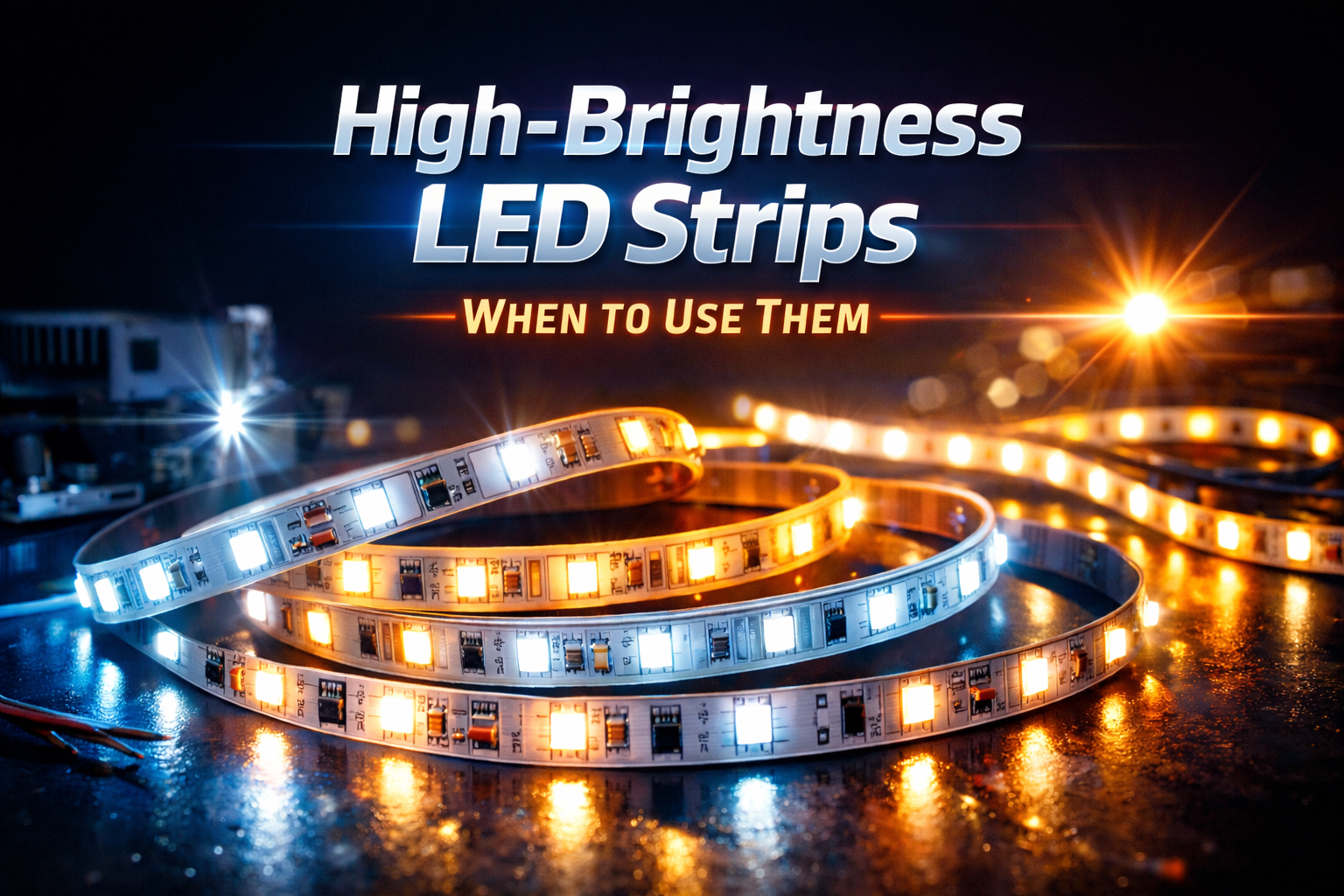
Table of Contents
Understanding Intensity Specifications
Measuring the output of lighting products requires understanding lumens per meter or lumens per foot. Standard strips typically deliver between 300 and 800 lumens per meter, while high-brightness LED strips generate 1,000 lumens per meter or significantly more. Some professional-grade options exceed 2,500 lumens per meter, providing illumination comparable to traditional fixtures.
The distinction between regular and enhanced output becomes clear when examining brightness specifications across different product categories. Manufacturers rate their products based on chip density, individual diode efficiency, and overall power consumption. A strip rated at 14 watts per meter will produce less light than one consuming 20 watts per meter, assuming similar efficiency ratings.
Color temperature also affects perceived intensity. Cool white options often appear brighter to the human eye than warm white variants at identical lumen outputs. When selecting strips for commercial LED lighting projects, this perception factor influences final purchasing decisions and user satisfaction. If you want a dependable option, a solid example is a constant-voltage LED driver with stable output regulation, which is known for stable long-term performance.
Task Lighting Applications
Kitchen Counter Installations
Kitchen workspaces demand adequate visibility for food preparation, cooking, and cleaning activities. Installing high-brightness LED strips beneath upper cabinets eliminates shadows on countertops, creating safer and more functional work areas. The enhanced output ensures every cutting board, ingredient, and utensil remains clearly visible.
Cabinet undersides typically accommodate strips ranging from 15 to 20 millimeters wide, making installation straightforward. When paired with proper selection criteria for your specific needs, these installations deliver professional results. The investment in higher-output products pays dividends through improved functionality and reduced eye strain during detailed tasks.
Office Desk Workspace
Home offices and professional workstations benefit from supplemental lighting that reduces monitor glare while illuminating documents and keyboards. Mounting strips along desk edges or beneath overhead shelving creates ambient fill light that complements existing fixtures without overwhelming the space.
Computer work requires careful attention to intensity levels to prevent eye fatigue. Dimmer switches allow users to adjust brightness throughout the day as natural light conditions change. This flexibility makes enhanced-output products valuable for professionals spending extended periods at their desks.
Retail Display Environments
Merchandise presentation drives sales, making proper illumination essential for retail success. Products displayed in shadowy corners or poorly lit shelving units fail to attract customer attention. Deploying high-brightness LED strips within display cases, along shelving tracks, and behind signage transforms product visibility.
Jewelry stores, electronics retailers, and fashion boutiques particularly benefit from intense, focused lighting that highlights textures, colors, and details. The crisp white light from quality strips renders colors accurately, helping customers make informed purchasing decisions. Many commercial LED lighting designers specify enhanced-output options specifically for these demanding applications.
According to the U.S. Department of Energy, proper retail lighting can increase sales while reducing energy costs compared to traditional alternatives. Strategic placement of strips around product displays creates depth and dimension that flat overhead lighting cannot achieve.
Grocery stores use these products to make fresh produce appear more appealing. Bakeries install them above display cases to showcase pastries and breads. Auto dealerships incorporate strips into showroom displays, emphasizing vehicle features and finishes. Each application leverages the superior output these products provide.
Workshop and Garage Settings
Hobbyists and professionals working with tools, machinery, and detailed projects require excellent visibility for safety and precision. Standard garage fixtures often leave work areas dim, creating hazardous conditions. Installing high-brightness LED strips along workbench edges, tool storage walls, and ceiling perimeters floods spaces with usable light.
Automotive repair, woodworking, metalworking, and electronics assembly all benefit from enhanced illumination. The ability to see fine details prevents mistakes, reduces waste, and improves finished quality. Many workshop enthusiasts report that upgrading to commercial LED lighting solutions transformed their ability to complete complex projects. Another practical alternative is a heavy-duty extension cord rated for high-draw tools, which performs reliably in everyday use.
Garage ceiling installations present unique challenges due to height and accessibility. Mounting strips inside aluminum channels provides both physical protection and improved light distribution through diffuser covers. The channels also simplify electrical connections and create professional-looking installations that withstand years of use.
Exterior Architectural Projects
Facade Accent Lighting
Building exteriors gain dramatic visual impact when architectural features receive proper emphasis. Installing high-brightness LED strips along rooflines, columns, archways, and window frames creates stunning nighttime presentations. The enhanced output remains visible even in well-lit urban environments where ambient light pollution challenges standard products.
Commercial properties use these installations to strengthen brand presence and attract attention. Restaurants, hotels, and entertainment venues create memorable exteriors that differentiate them from competitors. Residential applications range from subtle accent lighting to elaborate holiday displays that require outdoor LED strip installations capable of withstanding weather exposure.
Pathway and Security Applications
Outdoor walkways, stairs, and entry areas demand reliable illumination for safety and security. Installing strips with robust weatherproof ratings ensures continuous operation despite rain, snow, and temperature fluctuations. The superior output from enhanced products provides adequate visibility without requiring closely spaced fixtures.
Security applications benefit from the deterrent effect of well-lit perimeters. Potential intruders avoid properties with comprehensive lighting coverage. Motion sensors combined with bright strips create responsive systems that activate when movement occurs, conserving energy while maintaining protection. These outdoor LED strip installations integrate with broader security strategies.
Studio Photography and Video Production
Content creators require consistent, controllable lighting for professional results. Installing high-brightness LED strips serves multiple functions in production environments, from background illumination to subject fill lighting. The continuous spectrum and flicker-free operation of quality products ensure smooth video footage and accurate still photography.
Product photographers build custom light boxes using strips mounted inside translucent panels, creating large softboxes that produce even, shadowless illumination. Portrait photographers use strips as hair lights, rim lights, and background accents. The flexibility of cutting strips to exact lengths enables precise customization impossible with traditional fixtures.
Video production teams appreciate the cool operating temperatures and dimmable nature of strips. Extended filming sessions generate significant heat with traditional tungsten lights. Modern strips with superior lumen output deliver equivalent results while consuming less power and producing minimal thermal energy, improving comfort for performers and crew.
Power Requirements and Heat Management
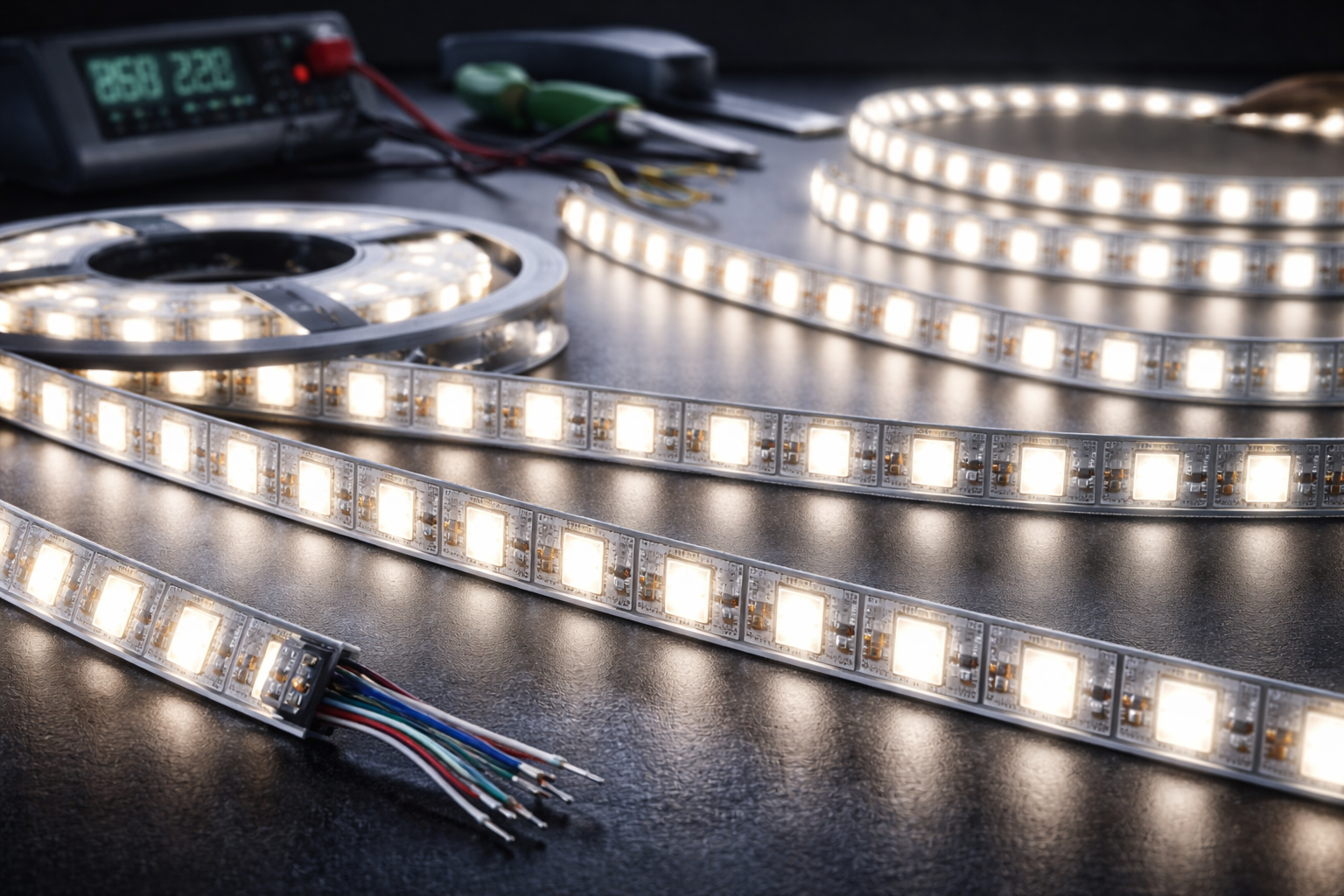
Enhanced output demands increased electrical capacity. Where standard strips might require a 60-watt power supply for five meters, high-brightness LED strips could need 100 watts or more for the same length. Installers must calculate total wattage requirements and select appropriately rated power supplies with 20 percent overhead capacity for reliability.
Voltage drop becomes problematic in longer runs of powerful strips. Running more than three meters from a single power injection point can result in noticeable dimming at the far end. Professional installations incorporate power supplies at both ends or use parallel wiring schemes that maintain consistent voltage throughout the run. For a more permanent upgrade, many users switch to a mid-run power injector that feeds voltage from multiple points, which offers consistent results over time.
Heat dissipation influences longevity and performance. While strips generate less heat than incandescent alternatives, concentrated power in compact spaces still produces thermal energy requiring management. Aluminum channels function as heat sinks, drawing warmth away from sensitive components. Adequate air circulation around installations prevents premature failure.
Thermal management becomes critical in enclosed fixtures where heat accumulates. Some manufacturers specify maximum ambient operating temperatures, typically around 50 degrees Celsius. Exceeding these limits accelerates degradation, reducing lifespan from 50,000 hours to significantly less. Proper ventilation protects your investment in commercial LED lighting infrastructure.
Comparing Standard and Enhanced Products
Understanding the performance gap between product tiers helps determine which applications justify premium pricing. Standard strips with 500 lumens per meter suit accent lighting, decorative installations, and low-traffic areas where intense illumination proves unnecessary. These products cost less initially and consume less electricity during operation.
Mid-range options delivering 800 to 1,200 lumens per meter bridge the gap between basic and professional grades. They provide sufficient output for many residential and light commercial LED lighting applications without the expense of top-tier products. Kitchen under-cabinet lighting, closet illumination, and display shelving often perform well with mid-range selections.
Premium strips exceeding 1,500 lumens per meter target professional installations where performance cannot be compromised. The superior output, tighter quality control, and extended warranties justify higher costs for commercial LED lighting projects. When comparing different intensity levels available today, consider both immediate needs and long-term performance expectations.
Color rendering index values also differentiate product grades. Budget strips might score 75 to 80 on the CRI scale, while professional options achieve 90 or higher. Applications requiring accurate color representation, such as retail displays and photography studios, demand high CRI values despite increased costs. The enhanced color fidelity justifies the investment for discerning users.
Planning Your Installation Project
Measuring and Calculating Needs
Successful projects begin with accurate measurements and realistic assessments of lighting requirements. Calculate the total linear distance requiring coverage, then add 10 percent for corners, connections, and potential mistakes. This buffer prevents mid-project shortages that delay completion.
Determine desired illumination levels for each space. Kitchens might target 300 to 400 lux on work surfaces, while workshops could require 500 lux or more. Converting lux requirements to lumens depends on surface area and reflectivity. Online calculators simplify these conversions, helping match product specifications to functional needs.
Selecting Accessories and Components
Comprehensive installations require more than just strips. Power supplies, controllers, connectors, mounting channels, and wire all contribute to final system performance. Investing in quality accessories ensures reliable operation and simplifies future maintenance or modifications.
Waterproof ratings matter for outdoor or damp locations. IP65-rated strips resist water jets and dust infiltration, suitable for covered exterior spaces. IP67 and IP68 ratings provide submersion protection for fountains, pools, and marine applications. Matching environmental protection levels to actual exposure conditions prevents premature failures in outdoor LED strip installations.
Evaluating Costs and Long-Term Value
Initial purchase prices for high-brightness LED strips exceed standard alternatives, sometimes by 50 to 100 percent. However, analyzing total cost of ownership reveals different conclusions. Energy consumption, maintenance requirements, and replacement frequency all factor into true lifetime expenses.
Premium strips with superior efficiency convert more electrical energy into visible light while generating less waste heat. This efficiency advantage reduces operating costs throughout the product lifespan. Commercial LED lighting installations running 12 to 16 hours daily accumulate substantial savings over years of operation.
Extended warranties indicate manufacturer confidence in product durability. Standard strips might include one-year coverage, while professional grades offer three to five years. The warranty protection reduces risk for large commercial LED lighting projects where component failures disrupt operations and generate service call expenses.
Replacement costs extend beyond product prices. Labor for accessing fixtures, removing failed components, and installing replacements often exceeds material costs. Selecting durable strips with proven reliability minimizes these recurring expenses. The premium paid initially returns through reduced maintenance and longer service intervals.
Energy savings calculations depend on usage patterns and local electricity rates. A 20-meter installation consuming 400 watts and operating four hours daily uses approximately 584 kilowatt-hours annually. At typical residential rates, this translates to meaningful monthly costs. More efficient products reduce consumption proportionally, delivering measurable savings.
Sharing this guide
If you found this guide helpful, you can save it for later or share it with a friend. It’s especially useful for beginners, homeowners, and DIY users.
Share using the links below
Interested in learning more? Browse all related articles in our category section.
Pingback: Best Waterproof LED Strip Lights: Essential Guide
Pingback: LED Car Lighting Upgrades: Essential Types Revealed
Pingback: Car LED Lights: Complete Beginner's Easy Guide - NeoLEDHub
Pingback: Buying LED Lights: Essential Guide Smart Beginners
Pingback: How to Cut LED Strip Lights Safely & Correctly - NeoLEDHub