Best LED Bulbs for Recessed Lighting (Top Picks)
Selecting the best LED bulbs for recessed lighting transforms your home’s ambiance while delivering exceptional energy efficiency and longevity. Modern homeowners face countless options when choosing replacement bulbs for ceiling cans, from different beam angles and color temperatures to varying brightness levels and base types. Understanding which specifications matter most ensures your investment provides optimal illumination that enhances your living spaces rather than creating problematic glare or insufficient coverage.
This comprehensive guide reveals the top picks across multiple categories, explaining exactly what makes certain bulbs superior for specific applications. Whether you need bright task lighting for kitchens, warm ambient glow for bedrooms, or versatile solutions for multipurpose rooms, these expert recommendations eliminate guesswork and deliver reliable performance that justifies their premium positioning in competitive markets.
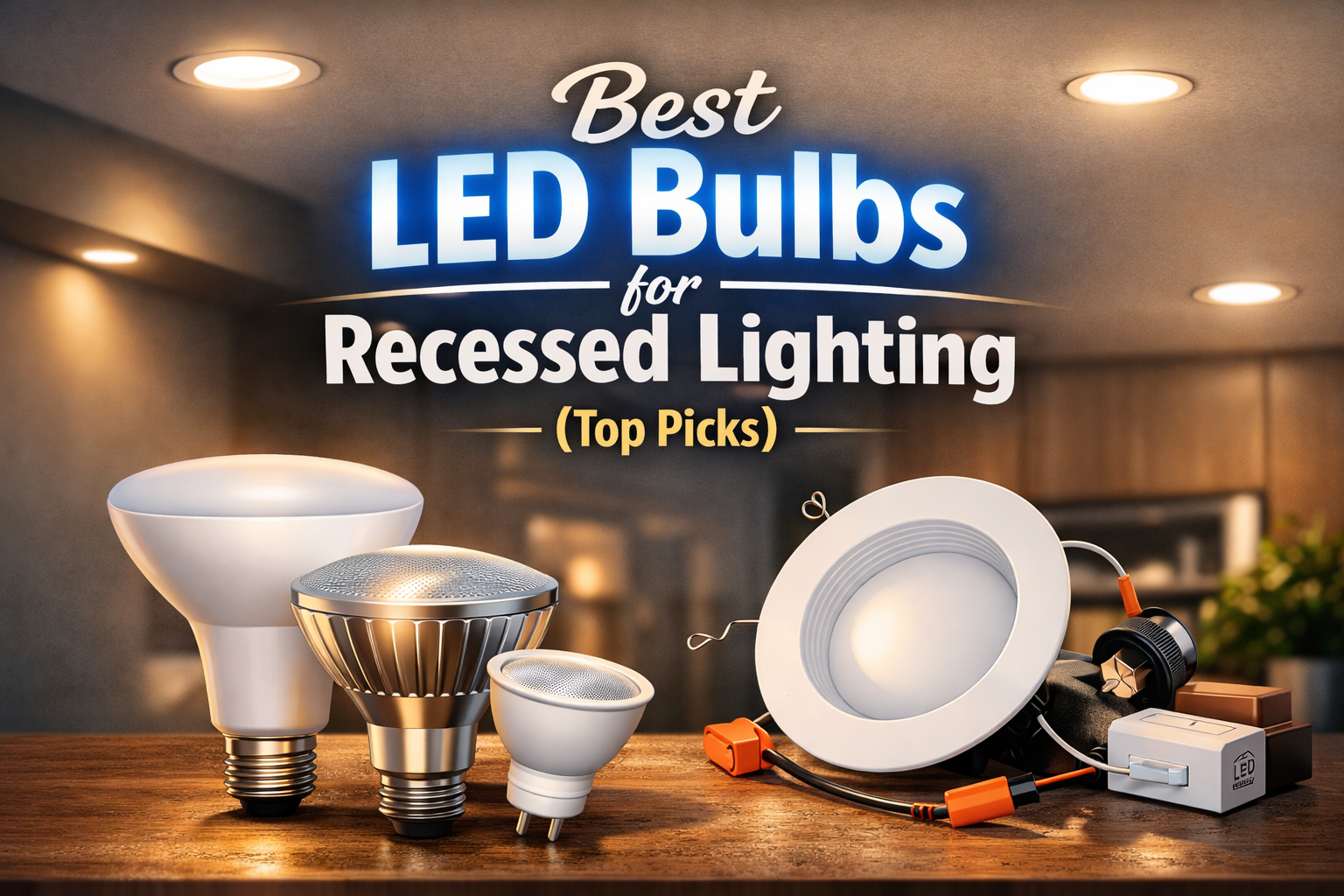
Table of Contents
- Understanding key specifications
- Brightness requirements by room
- Beam angle selection guide
- Color temperature considerations
- Common bulb types and bases
- Top general purpose recommendations
- Kitchen and bathroom options
- Living room and bedroom choices
- Dimmable bulb selections
- Energy efficiency comparisons
- Installation tips and compatibility
- Sharing this guide
Understanding key specifications
Lumens measure actual light output, replacing the outdated wattage system that defined incandescent brightness. When shopping for led bulbs for recessed lighting, prioritize lumen ratings between 650-1000 for standard applications, with higher outputs reserved for task-intensive areas. This scientific measurement eliminates confusion about equivalent wattage claims that vary between manufacturers using different efficiency levels.
Beam angle determines how light spreads across surfaces, with narrow spots around 25 degrees concentrating illumination and wide floods exceeding 90 degrees providing broad coverage. Ceiling height influences optimal angle selection, as eight-foot ceilings work well with 60-degree floods while ten-foot installations benefit from narrower 40-degree beams that prevent excessive ceiling wash. Matching beam characteristics to room geometry prevents common problems like dark floor areas or wasted light directed at irrelevant surfaces.
Color Rendering Index scores above 80 ensure accurate color perception critical for kitchens, bathrooms, and spaces where visual tasks demand precision. Premium products achieving CRI 90+ deliver near-perfect color fidelity rivaling natural daylight, justifying their higher costs through superior performance in demanding applications. For foundational knowledge about bulb technology, reference this beginner’s guide to understanding bulb basics that covers essential terminology.
Brightness requirements by room
Kitchen spaces
Kitchens demand 50-75 lumens per square foot for safe food preparation and cooking activities. A 150-square-foot kitchen therefore requires approximately 7,500-11,000 total lumens distributed across multiple fixtures. When selecting best bulbs for recessed lighting in culinary spaces, choose 800-1000 lumen bulbs spaced appropriately to eliminate shadows on countertops and cooking surfaces.
Task zones above sinks, ranges, and primary prep areas benefit from additional dedicated lighting beyond general ambient calculations. Installing higher-output bulbs in strategic positions creates layered illumination that adapts to different activities throughout the day. This flexibility proves essential in modern kitchens serving multiple functions from meal preparation to homework assistance and social gathering.
Inconsistent brightness across cooking areas can make tasks harder and reduce visibility where precision matters most. This becomes especially noticeable when multiple fixtures age differently over time. A reliable solution like par38 recessed bulb helps stabilize brightness across the entire setup, ensuring even lighting during daily use.
Bathroom considerations
Bathrooms require similar brightness levels as kitchens due to grooming tasks demanding accurate visual feedback. Makeup application, shaving, and personal care activities benefit from 70-80 lumens per square foot with particular attention to vanity area illumination. Recessed lighting bulbs LED rated for damp locations ensure safe operation in humid environments where moisture exposure occurs regularly.
Color temperature selection significantly impacts bathroom functionality, with 3000K-4000K neutral whites providing balanced illumination that neither distorts skin tones nor creates harsh institutional atmospheres. Avoiding extreme warm or cool temperatures ensures cosmetic choices made in bathroom lighting translate accurately to outdoor natural light conditions encountered throughout the day.
Beam angle selection guide
Narrow beam angles between 15-30 degrees function as accent lighting highlighting artwork, architectural features, or specific objects. These focused beams create dramatic visual interest through concentrated illumination contrasting against softer ambient lighting. When installing led bulbs for recessed lighting for accent purposes, position fixtures to prevent glare while directing attention toward intended focal points.
Medium beams spanning 35-50 degrees balance focused task lighting with reasonable coverage areas, working well for standard ceiling heights in residential applications. This versatile range accommodates most general lighting needs without requiring precise aiming or creating problematic hot spots. Fixtures using medium beam bulbs forgive minor installation variations while delivering consistent performance across typical room dimensions.
Wide flood beams exceeding 60 degrees maximize coverage from individual fixtures, reducing total fixture counts needed to illuminate larger spaces. These broad distributions work particularly well in rooms with higher ceilings where narrower beams would create insufficient floor-level illumination. Understanding the relationship between ceiling height and beam spread ensures optimal coverage without dark zones or excessive overlap between adjacent fixtures. To learn more about the underlying technology, explore this resource on how modern bulb technology functions at the component level.
Color temperature considerations
Warm white applications
Temperatures between 2700K-3000K create cozy, inviting atmospheres appropriate for bedrooms, living rooms, and dining areas. This warm yellowish glow mimics traditional incandescent lighting that many homeowners find comforting and familiar. When choosing best bulbs for recessed lighting for relaxation spaces, warm temperatures support circadian rhythms by avoiding blue-rich spectrums that suppress melatonin production.
Restaurants and hospitality environments universally favor warm color temperatures because they enhance food appearance and create intimate social atmospheres. Residential applications benefit from the same psychological effects, with warm lighting encouraging conversation and relaxation. This established preference makes warm white the default choice for most living spaces unless specific task requirements demand alternative temperatures.
Neutral and cool selections
Neutral whites around 3500K-4000K provide balanced illumination suitable for multipurpose spaces and transition areas. Hallways, stairways, and home offices benefit from this middle-ground temperature that neither skews warm nor cool. Recessed lighting bulbs LED at neutral temperatures work well in modern design schemes emphasizing clean lines and minimalist aesthetics where warm tones might appear outdated.
Cool whites above 5000K suit utility areas, garages, and workshops where visual acuity and alertness take priority over ambiance. These blue-tinted temperatures enhance contrast and detail visibility, supporting precise work requiring accurate color discrimination. Limiting cool temperatures to functional spaces prevents the sterile, institutional appearance they create in living areas designed for comfort and relaxation.
Common bulb types and bases
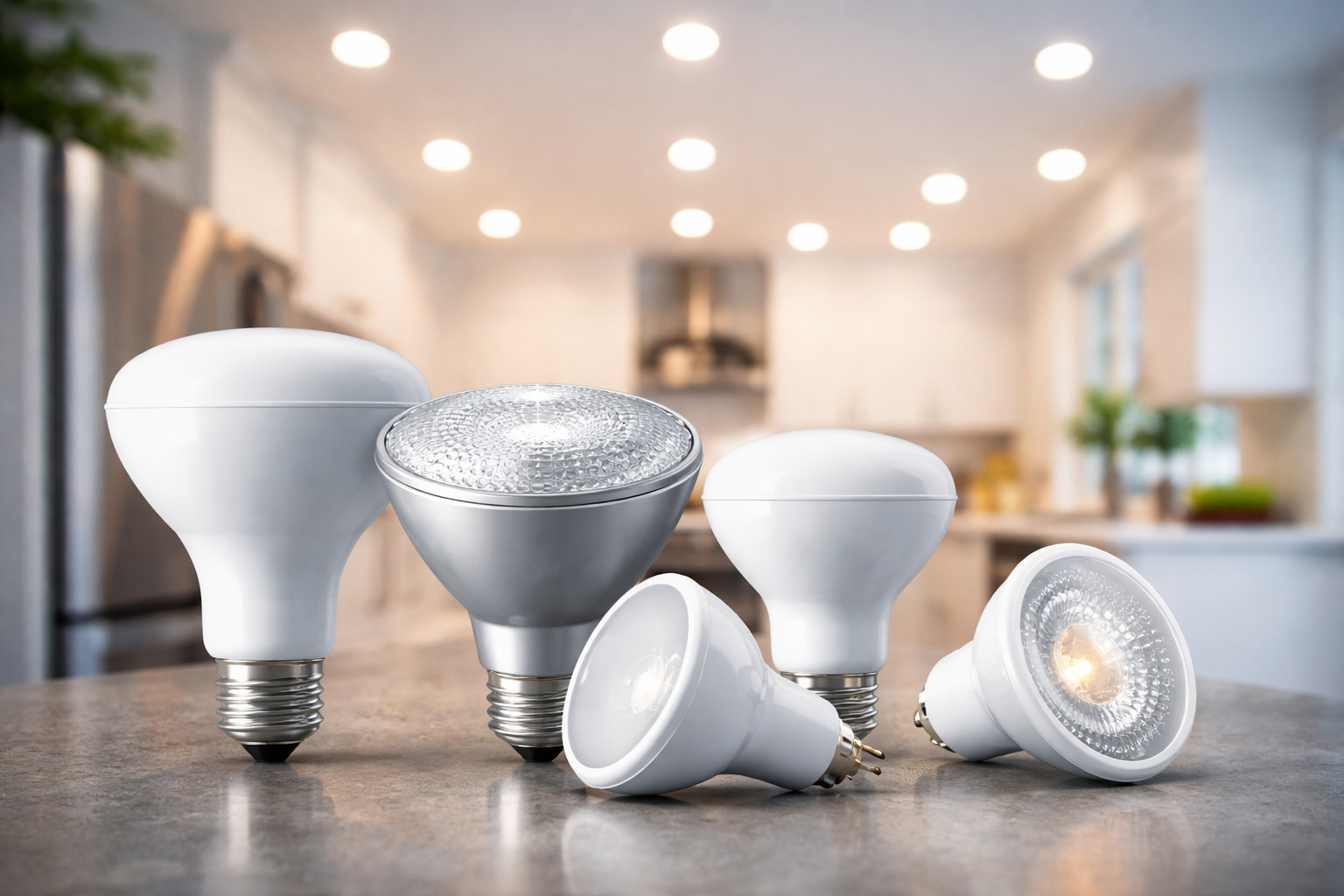
BR30 bulbs measuring 3.75 inches in diameter fit standard four-inch recessed housings found throughout most residential construction. These popular options deliver reliable performance across diverse applications from general lighting to focused task illumination. When selecting led bulbs for recessed lighting for typical installations, BR30 remains the default choice offering widest product selection and competitive pricing.
PAR30 and PAR38 alternatives provide more focused beam control through precision reflector designs that direct light with greater accuracy than standard BR configurations. PAR designations indicate parabolic aluminized reflector construction optimizing light distribution for accent and spot applications. These specialized options cost more than basic BR bulbs but deliver superior performance when precise aiming or narrow beam angles matter to installation success.
Uneven lighting and harsh reflections are common issues in recessed setups, especially with lower-quality bulbs. This can quickly reduce visual comfort in everyday spaces. Choosing something like a br30 led option helps reduce glare while maintaining consistent illumination across the room.
GU10 and MR16 low-voltage options require compatible transformers converting line voltage to safe operating levels. These compact bulbs excel in smaller housings where standard bulb dimensions won’t fit, though their specialized nature limits product availability and increases replacement costs. According to U.S. Department of Energy LED lighting efficiency guidance, proper voltage matching ensures optimal performance and safety across all bulb types.
Best LED bulbs for recessed lighting: Complete guide
Premium manufacturers distinguish themselves through consistent quality control, extensive testing, and reliable warranty support backing their products. Established brands invest in research ensuring their bulbs maintain claimed specifications throughout rated lifespans rather than exhibiting rapid degradation common among budget alternatives. When investing in best LED bulbs for recessed lighting, prioritize recognized names offering proven track records over unknown importers making questionable performance claims.
Energy Star certification provides independent verification that products meet stringent efficiency and longevity standards. Certified options undergo laboratory testing confirming lumen maintenance, color consistency, and electrical safety beyond basic regulatory requirements. This third-party validation proves particularly valuable when comparing unfamiliar brands or evaluating products lacking extensive user reviews documenting real-world performance.
Smart bulb options integrate wireless connectivity enabling remote control, scheduling, and color adjustment through smartphone applications. These advanced features justify premium pricing for users valuing automation and customization beyond simple on-off switching. While smart capabilities add complexity and potential failure points, they deliver unprecedented flexibility transforming static lighting installations into dynamic systems adapting to changing needs and preferences.
Kitchen and bathroom options
High CRI selection
Bulbs achieving CRI 90 or higher ensure accurate color rendering essential for food preparation and grooming tasks. This superior color fidelity reveals true hues rather than the distorted shades produced by lower-quality alternatives. When selecting best bulbs for recessed lighting for kitchens and bathrooms, prioritize high CRI specifications even when they command modest price premiums over standard 80 CRI options.
Natural light simulation through carefully balanced spectral outputs helps maintain circadian rhythms while providing functional illumination. Morning bathroom use benefits from brighter, cooler temperatures promoting alertness, while evening applications favor warmer tones supporting relaxation. Tunable white bulbs offering adjustable color temperature accommodate these changing needs through single installations rather than requiring multiple fixture types.
Moisture rating requirements
Damp-rated bulbs tolerate the humidity levels encountered in bathrooms with showers and tubs, preventing premature failure from moisture infiltration. These specially sealed designs cost slightly more than standard bulbs but deliver reliable performance in challenging environments where conventional options deteriorate rapidly. Installing proper moisture-rated recessed lighting bulbs LED prevents frustrating early failures requiring frequent replacement and maintenance.
Wet-location ratings indicate suitability for direct water exposure in shower enclosures or outdoor covered applications. These fully sealed designs withstand the most demanding conditions through gasket seals and waterproof construction exceeding damp-location specifications. Understanding rating distinctions ensures appropriate product selection matching actual installation conditions rather than discovering incompatibilities after purchase and installation.
Living room and bedroom choices
Lower brightness levels between 600-750 lumens create comfortable ambient illumination appropriate for relaxation and entertainment activities. Overlighting living spaces produces harsh environments undermining their intended comfort-focused purposes. When choosing led bulbs for recessed lighting in bedrooms and living areas, favor moderate outputs supplemented by task lamps rather than excessive overhead brightness.
Dimming capability proves especially valuable in bedrooms where lighting needs vary dramatically between morning preparation and evening wind-down periods. Quality dimmable bulbs maintain consistent color temperature across their adjustment range rather than shifting toward warmer tones as output decreases. This color stability ensures predictable appearance regardless of brightness setting, supporting diverse activities without requiring bulb changes.
Wide beam angles maximize coverage from limited fixture counts typical in bedroom installations. Broad 80-100 degree floods distribute light evenly across ceiling surfaces, creating gentle bounced illumination without harsh direct glare. This indirect approach enhances comfort while maintaining adequate brightness for reading, dressing, and other bedroom activities requiring reasonable visibility levels. If you are also looking for LED bulb options for bedroom lighting beyond recessed fixtures, our dedicated guide covers the full range of choices for that space. Rooms with ceiling fans instead of recessed cans have their own set of requirements — our guide on best LED bulbs for ceiling fans covers the key differences. For specialized applications in culinary spaces, consult kitchen-specific lighting recommendations addressing unique challenges in food preparation areas.
Dimmable bulb selections
Compatibility verification
Manufacturer compatibility lists identify which dimmer models work reliably with specific bulbs, eliminating guesswork during product selection. Consulting these resources before purchasing prevents expensive trial-and-error testing discovering incompatibilities after installation. When upgrading to best bulbs for recessed lighting with dimming capability, verify compatibility with existing dimmer hardware or plan simultaneous dimmer replacement ensuring smooth operation.
Leading-edge and trailing-edge dimmer technologies exhibit different compatibility characteristics with various bulb designs. Older leading-edge controls work adequately with many modern bulbs but sometimes produce buzzing or limited adjustment ranges. Trailing-edge alternatives deliver smoother performance across wider brightness spectrums, justifying their higher costs through superior user experience and broader product compatibility.
Minimum brightness levels
Premium dimmable bulbs achieve minimum levels below 10% of maximum output, enabling nightlight-level illumination appropriate for bedrooms and hallways. Budget alternatives often limit minimum dimming to 30-40% of full brightness, reducing their utility for applications requiring very low light levels. Testing dimming range before committing to large quantity purchases ensures products meet actual requirements rather than discovering limitations after complete installation.
Some dimmable setups suffer from subtle flicker at low levels, which can cause discomfort over time. This becomes more noticeable in quiet environments like bedrooms. Switching to a par30 dimmable bulb can help avoid flicker and maintain a smoother lighting experience throughout the dimming range.
Flicker-free operation throughout the dimming range distinguishes quality products from cheaper alternatives exhibiting visible pulsation at reduced outputs. This smooth performance proves essential for video recording, photography, and sensitive individuals experiencing discomfort from flickering light sources. The ENERGY STAR guide to LED lighting basics explains technical requirements ensuring consistent, flicker-free illumination across all brightness levels.
Energy efficiency comparisons
Modern bulbs delivering 800 lumens typically consume just 9-12 watts compared to 60-watt incandescent equivalents, representing 80-85% energy savings. These dramatic reductions translate directly to lower electricity bills throughout the bulb’s 15,000-25,000 hour lifespan. When evaluating recessed lighting bulbs LED options, calculate long-term operating costs rather than focusing solely on initial purchase prices that represent minor fractions of total ownership expenses.
Efficacy ratings expressed as lumens per watt quantify conversion efficiency, with values above 90 indicating premium performance. Standard products achieve 70-85 lumens per watt while cutting-edge designs exceed 100 lumens per watt through optimized phosphor formulations and driver electronics. Prioritizing high-efficacy bulbs maximizes energy savings while potentially qualifying for utility rebates offsetting premium acquisition costs.
Heat generation decreases proportionally with improved efficiency, reducing cooling loads in conditioned spaces. This secondary benefit proves particularly valuable in recessed installations where heat buildup stresses bulb components and surrounding insulation. Lower operating temperatures extend component lifespan while improving safety margins in enclosed ceiling cavities where ventilation remains limited. For a deeper look at what affects how long these bulbs actually last, our guide on LED bulb lifespan covers the key factors in detail. Those also upgrading task lighting may find our guide on LED bulbs designed for desk lamps a useful complement to this recessed lighting overview.
Installation tips and compatibility
Housing compatibility
Verifying bulb dimensions against housing specifications prevents installation conflicts and ensures proper thermal management. Oversized bulbs may not fit within trim rings or contact housing components, creating safety hazards through improper heat dissipation. When selecting led bulbs for recessed lighting, confirm maximum bulb length and diameter specifications match fixture limitations documented in housing installation instructions.
IC-rated housings permit direct insulation contact while non-IC designs require minimum clearances preventing fire hazards. Bulb selection must account for these thermal limitations, with enclosed-rated bulbs necessary for IC housings restricting heat dissipation. Understanding rating interactions between housings and bulbs ensures safe, code-compliant installations maintaining manufacturer warranties and insurance coverage validity.
Trim coordination
Baffle, reflector, and eyeball trim styles interact differently with various bulb beam angles, affecting overall light distribution. Coordinating trim selection with bulb characteristics optimizes performance while preventing common problems like excessive glare or insufficient coverage. Professional installations consider these interactions during planning phases rather than discovering incompatibilities after complete installation.
Adjustable trims enable aiming flexibility accommodating changes in furniture arrangement or room usage over time. This adaptability justifies modest cost premiums through extended functionality and reduced need for fixture relocation during renovations. When implementing best LED bulbs for recessed lighting in dynamic spaces, adjustable trim options maximize long-term value through sustained optimal performance. Additional technical insights await at the comprehensive lighting knowledge center covering advanced topics and troubleshooting guidance.
Sharing this guide
If you found this guide helpful, you can save it for later or share it with a friend.
Interested in learning more? Browse all related articles in our category section.
Pingback: Best LED Bulbs for Living Rooms: Smart Guide 2026
Pingback: Best LED Bulbs for Bathroom (Bright & Fog Free) - NeoLEDHub
Pingback: Best LED Bulbs for Ceiling Fans - NeoLEDHub
Pingback: Best LED Bulbs for Desk Lamps (Eye-Friendly) - NeoLEDHub