Best Soft White LED Bulbs (Warm Lighting)
A room can look clean and well decorated yet still feel cold, flat, or strangely uncomfortable once the lights come on. That usually happens when the bulb is technically bright enough but the tone is wrong for the space. The best soft white led bulbs solve that problem by making everyday rooms feel calmer, more welcoming, and easier to live in.
Whether you want a softer evening glow in the bedroom, a warm and balanced living room, or a more relaxing light for reading after work, choosing the right bulb matters more than most people expect. This guide breaks down what to look for, what to avoid, and how to choose warm lighting that feels comfortable instead of dull.

Table of Contents
- Why warm light feels better at home
- The Kelvin range that usually works best
- How to read the bulb box correctly
- Getting enough output without a harsh look
- Choosing by room instead of guessing
- Creating balance in living spaces
- Making bedrooms feel calm at night
- Mistakes people make with warm bulbs
- Dimming, flicker, and evening comfort
- Features that are actually worth extra money
- When a decorative shape is the better pick
- A quick checklist before buying
Why the best soft white led bulbs feel better than standard bulbs
Many people buy bulbs based on watt replacement alone, install them, and then wonder why the room suddenly feels more like an office than a home. The problem is rarely just brightness. It is usually the overall tone of the light. The best soft white led bulbs create a gentler visual atmosphere, especially in spaces where you relax, watch TV, eat dinner, or wind down before bed.
Soft white is popular because it sits in the warmer part of the spectrum, often around the same range people associate with traditional incandescent bulbs. If you need a quick refresher on bulb fundamentals, this overview of what LED bulbs are and how they work helps frame why modern options can feel so different from older lighting.
If your room feels uncomfortable at night, do not assume you need less brightness first. Often you need a warmer color tone and better diffusion before you reduce output.
That is why the best soft white led bulbs often feel more expensive and more comfortable even when they are not dramatically brighter. They improve mood, soften shadows, and make furniture, wood tones, fabrics, and skin look more natural in the evening. Good warm light does not just illuminate a room. It changes how the room is experienced.
The Kelvin range that usually works best
When people say they want a soft white bulb, they usually want something in the 2700K to 3000K zone. That range is the sweet spot for warm everyday illumination because it feels inviting without becoming orange or overly dim. In practice, 2700K tends to feel especially cozy, while 3000K feels a touch cleaner and more versatile in mixed-use rooms.
If you want to compare shades more precisely, this guide to color temperature and Kelvin ratings makes it easier to visualize what changes between warm and cool light. It is also useful for deciding whether soft white LED bulbs 2700K will better suit your home than a slightly less amber 3000K bulb.
The best soft white led bulbs are rarely chosen by label alone. They are chosen by how that Kelvin range interacts with your wall color, lamp shade, ceiling height, and evening routine. A dark room with wood finishes can handle a warmer glow beautifully, while a pale room with lots of daylight may feel better with a clean 3000K tone rather than the deepest warm option.
How to read the bulb box correctly
Packaging can be misleading because the front often emphasizes watt replacement or vague language like “warm glow” without telling you much about real performance. Pay attention to lumens, Kelvin rating, bulb shape, dimmable compatibility, and whether the finish is frosted or clear. Those details affect how the light actually lands in the room.
You should also think about use case before buying. Warm white LED bulbs for home are not all identical. A bedside lamp, a ceiling fixture, and a decorative sconce may all need the same warmth but very different beam behavior, brightness, or bulb style. The more open the fixture, the more visible the bulb finish and filament pattern become.
This is where the best soft white led bulbs stand out. Their labels tend to be clearer, their output is more consistent, and the light feels intentional rather than accidental. Cheap bulbs may still say 2700K, but the actual experience can feel uneven, flat, or poorly diffused once installed.
Getting enough output without a harsh look
A common mistake is assuming warm light must be dim light. It does not. You can absolutely get a cozy feel with enough output for reading, cooking, or everyday tasks. The trick is matching brightness to fixture type. The best soft white led bulbs in the 800 to 1100 lumen range often work well for general household use, while larger rooms may need multiple bulbs rather than one overly intense source.
That balance matters for comfort. Overly concentrated warm light can still produce glare, especially in exposed fixtures or glossy surfaces. Trusted efficiency resources such as the U.S. Department of Energy LED lighting efficiency guidance explain why modern bulbs deliver strong light output with much lower energy use than older incandescent options.
If you want a practical option that gives you control over tone and intensity while helping reduce eye strain in mixed-use spaces, a customizable warm smart bulb option can be useful. It fits naturally in rooms where you shift from productive daytime use to softer evening lighting and want that transition to feel easy instead of abrupt.
The real goal is not maximum output. It is usable brightness with a soft glow that does not make the room feel clinical. That is exactly why the best soft white led bulbs are often better for homes than cooler bulbs with similar lumen numbers.
Choosing by room instead of guessing
Bulbs that feel perfect in one room can feel wrong in another. That is why it helps to think room by room rather than shopping for one universal answer. The best soft white led bulbs work well almost anywhere, but the ideal watt replacement, bulb shape, and dimmable behavior still depend on how the space is used during the day and night.
As a rule, living areas benefit from warmer light that feels social and flattering, while bedrooms usually benefit from even softer evening tones. If you are trying to compare room planning more broadly, this breakdown of warm light versus cool light for interiors makes it easier to see where each type actually belongs.
The best soft white led bulbs are most convincing when chosen as part of the room design, not as isolated products. Once you think about wall tone, shade material, fixture direction, and time of use, bulb selection becomes far more predictable and the result feels more polished.
Creating balance in living spaces
Living rooms are where many buyers first notice the value of warm light. A bulb that is too cool can flatten soft furnishings and make evening downtime feel strangely alert. Cozy lighting LED bulbs usually perform best when layered across table lamps, floor lamps, and ceiling fixtures rather than concentrated in one harsh overhead source.
If your goal is a comfortable family room or lounge area, these recommendations for LED bulbs that suit living room spaces pair well with the same warm-light thinking discussed here. The best soft white led bulbs help create visual warmth without sacrificing enough brightness for reading, conversation, or casual tasks.
In larger spaces, it often makes more sense to use multiple mid-output bulbs than one extremely bright source. That preserves balance, keeps corners from feeling gloomy, and avoids the spotlight effect that makes a relaxed room feel awkwardly staged.
Making bedrooms feel calm at night
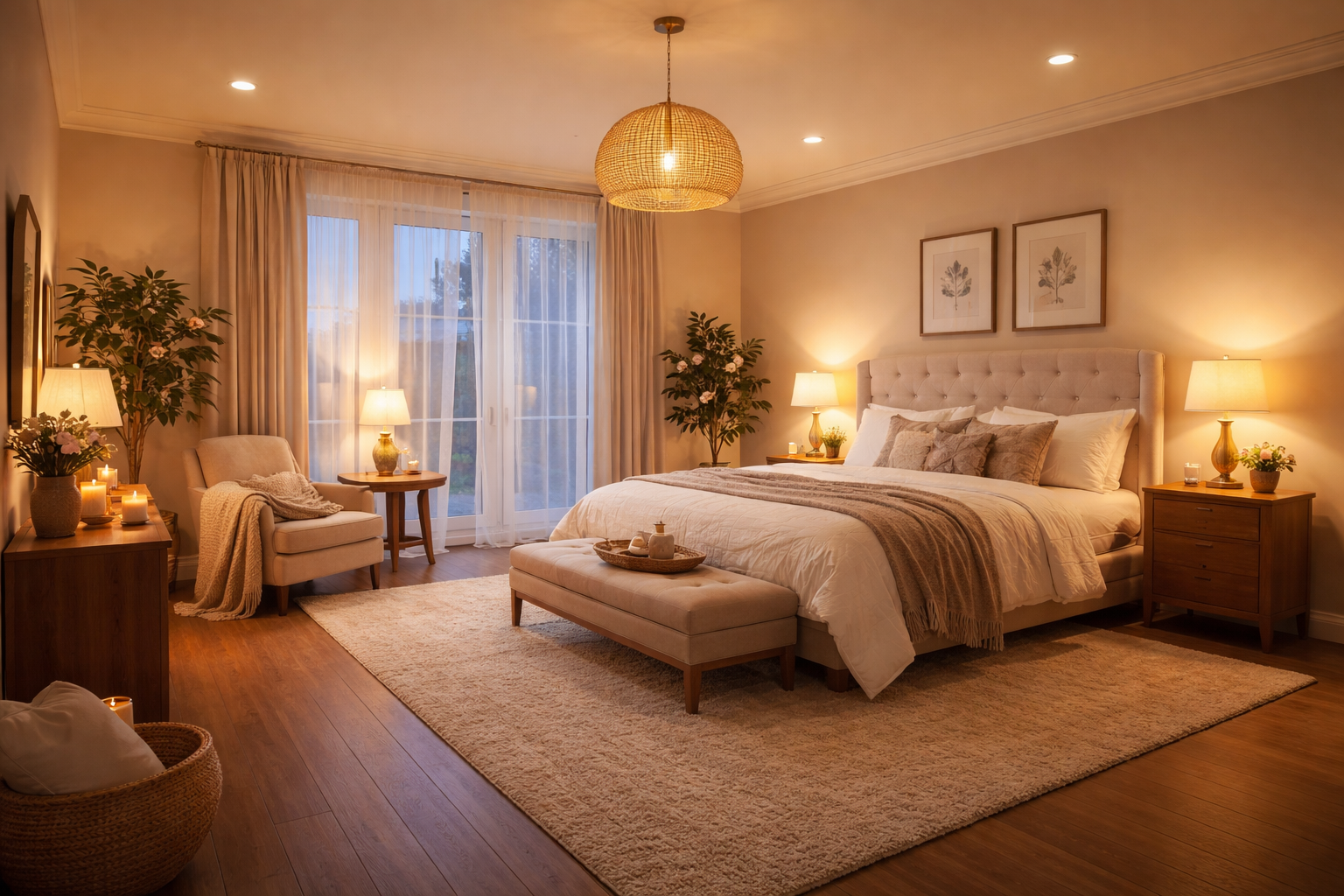
Bedrooms are where poor bulb choices become most obvious. A light that feels acceptable in the kitchen can feel too stark the moment you switch it on before sleep. The best soft white led bulbs are usually an excellent match here because they support a quieter atmosphere and make nighttime routines feel smoother rather than more stimulating.
For bedroom-specific ideas, these suggestions for LED bulbs that work well in bedrooms are especially relevant. Soft white LED bulbs 2700K are often the safest choice for bedside lamps, especially when paired with shades that diffuse light downward and outward instead of exposing the bulb directly.
Do not assume every bulb labeled “warm” is bedroom-friendly. Some warmer bulbs still have noticeable glare, poor dimming behavior, or uneven output that feels tiring at night.
In bedrooms, success usually comes from comfort rather than specs on paper. The best soft white led bulbs give enough visibility for real use but still protect the room’s calm, restful character.
Mistakes people make with warm bulbs
The most common mistake is buying by color label alone. “Soft white” can still vary from brand to brand, and the surrounding fixture changes the final result even more. Another mistake is expecting one bulb to solve an entire room’s atmosphere when the real issue is that the lighting layout is too top-heavy or too sparse. The best soft white led bulbs cannot fully compensate for poor placement.
People also overlook how lighting affects emotion and behavior. That matters more than it sounds, which is why articles on lighting psychology and how light shapes mood are useful before redesigning a room. Warm white LED bulbs for home tend to support calmer evening use, but only when the rest of the setup is coherent.
A third mistake is assuming cheaper bulbs are “good enough” because they match the same Kelvin number. In reality, the best soft white led bulbs often justify the difference through better consistency, more pleasant diffusion, and fewer issues with annoying shimmer or unstable output over time.
Once buyers stop chasing the lowest price and start thinking about comfort, placement, and longevity, they usually end up with fewer returns and a room that feels noticeably more finished.
Dimming, flicker, and evening comfort
Warm bulbs become dramatically more useful when they dim well. Being able to lower intensity after sunset changes the whole mood of a room and helps you use the same fixture for multiple situations. The best soft white led bulbs often separate themselves here because cheap models may buzz, step down abruptly, or flicker when paired with older dimmers.
Before you buy, it is worth checking guidance on dimmable LED bulbs with low-flicker performance. If flicker has ever made a room feel tiring or visually unstable, you already know how important this is. The best soft white led bulbs should make a room feel smoother as the evening progresses, not more irritating.
A reliable everyday warm bulb multipack for stable use can be a sensible solution when you want matching output across several fixtures and want to stabilize brightness throughout the room. Consistency matters more than people think, especially when multiple lamps are visible in the same space.
Features that are actually worth extra money
Not every premium feature matters. In many homes, the upgrades worth paying for are dimmer compatibility, consistent color quality, a well-diffused bulb finish, and dependable longevity. The best soft white led bulbs with those traits usually feel better from day one and remain more pleasant after months of regular use.
Good buying decisions also come from understanding broader quality basics, which is where a resource like the NeoLEDHub LED Knowledge Center becomes helpful. It gives you enough background to recognize when a product is genuinely well suited to a room instead of just marketed with attractive packaging.
For many shoppers, the best upgrade is simply a bulb that behaves predictably every night. That kind of reliability is easy to underestimate until you have lived with a bulb that hums, flickers, or feels different every time you switch it on.
When a decorative shape is the better pick
Sometimes the bulb is visible, not hidden. In open sconces, pendants, and decorative table lamps, appearance matters almost as much as color temperature. That is where the best soft white led bulbs may include filament-style designs that look charming even when the light is off and feel especially fitting in cozy, intimate rooms.
This style is not always ideal for task lighting because clear bulbs can produce more direct glare than frosted ones. Still, for visible fixtures in dining corners, accent lamps, or relaxed seating areas, they create a strong sense of atmosphere. General consumer guidance like the ENERGY STAR guide to LED lighting basics is useful when weighing style against everyday efficiency and usability.
If your priority is atmosphere and you want a bulb that can avoid flicker while also looking decorative, a warm filament-style bulb for visible fixtures can be a practical fit. Cozy lighting LED bulbs of this type work best when the fixture itself is part of the room’s visual design.
Use frosted bulbs where the bulb is close to eye level, and reserve clear filament styles for fixtures where the bulb is part of the visual look rather than the direct line of sight.
In the right fixture, the best soft white led bulbs do more than light the room. They become part of the room’s character, which is exactly why decorative warm bulbs remain so popular.
A quick checklist before buying
If you want the best soft white led bulbs for your space, the easiest way to avoid disappointment is to slow down before checkout and run through a short buying filter. This helps separate genuinely useful bulbs from options that only look appealing on the product page. It also keeps you focused on how the room should feel, not just how the packaging sounds.
- ✓ Check the Kelvin rating first and confirm whether 2700K or 3000K suits the room better
- ✓ Match lumens to the fixture and room size instead of relying on watt replacement alone
- ✓ Decide whether you need frosted diffusion or a visible decorative filament style
- ✓ Confirm dimmer compatibility if the bulb will be used in evening living areas or bedrooms
- ✓ Buy enough matching bulbs for the room so the light feels uniform instead of patchy
Once you start thinking this way, the best soft white led bulbs are much easier to spot. You are no longer buying a generic bulb. You are choosing a warmer, more livable atmosphere that supports the way you actually use your home.
Key Takeaways
The best soft white led bulbs succeed because they make rooms feel more comfortable, welcoming, and usable at night. In most homes, the most effective choices fall around 2700K to 3000K, with enough lumens to provide clear visibility without pushing the room into a cold or overly sharp look.
Focus on the real-life details that shape comfort: fixture style, bulb finish, dimmable performance, room size, and whether the space is meant for activity or rest. Soft white LED bulbs 2700K often feel best in bedrooms and cozy corners, while warm white LED bulbs for home around 3000K can work beautifully in more flexible shared spaces.
If you shop with atmosphere in mind instead of only chasing cheap prices or high output, you are much more likely to end up with warm, consistent light you enjoy every evening. That is the real value of choosing carefully rather than treating bulb selection like an afterthought.
Sharing this guide
If you found this guide helpful, save it or share it with someone who’s still using old bulbs.
Interested in learning more? Browse all related articles in our category section.