Smart Home Lighting: Guides, Automation & Control Tips
Smart home lighting gives you more control over brightness, schedules, scenes, and energy use without making everyday lighting feel more complicated. A setup that works well in real life depends on more than app-controlled bulbs, though. Connectivity, automation style, voice assistant support, and long-term reliability all shape the experience.
This hub brings together practical guides on smart home lighting control, wireless LED lights, automation options, and everyday setup choices. Whether you are starting from scratch or refining an existing system, these articles will help you find the most useful next step faster.
Browse the Smart Home Lighting Category
Use this page as a guided starting point, or jump straight to the full smart home lighting category section if you want to explore the whole archive first.
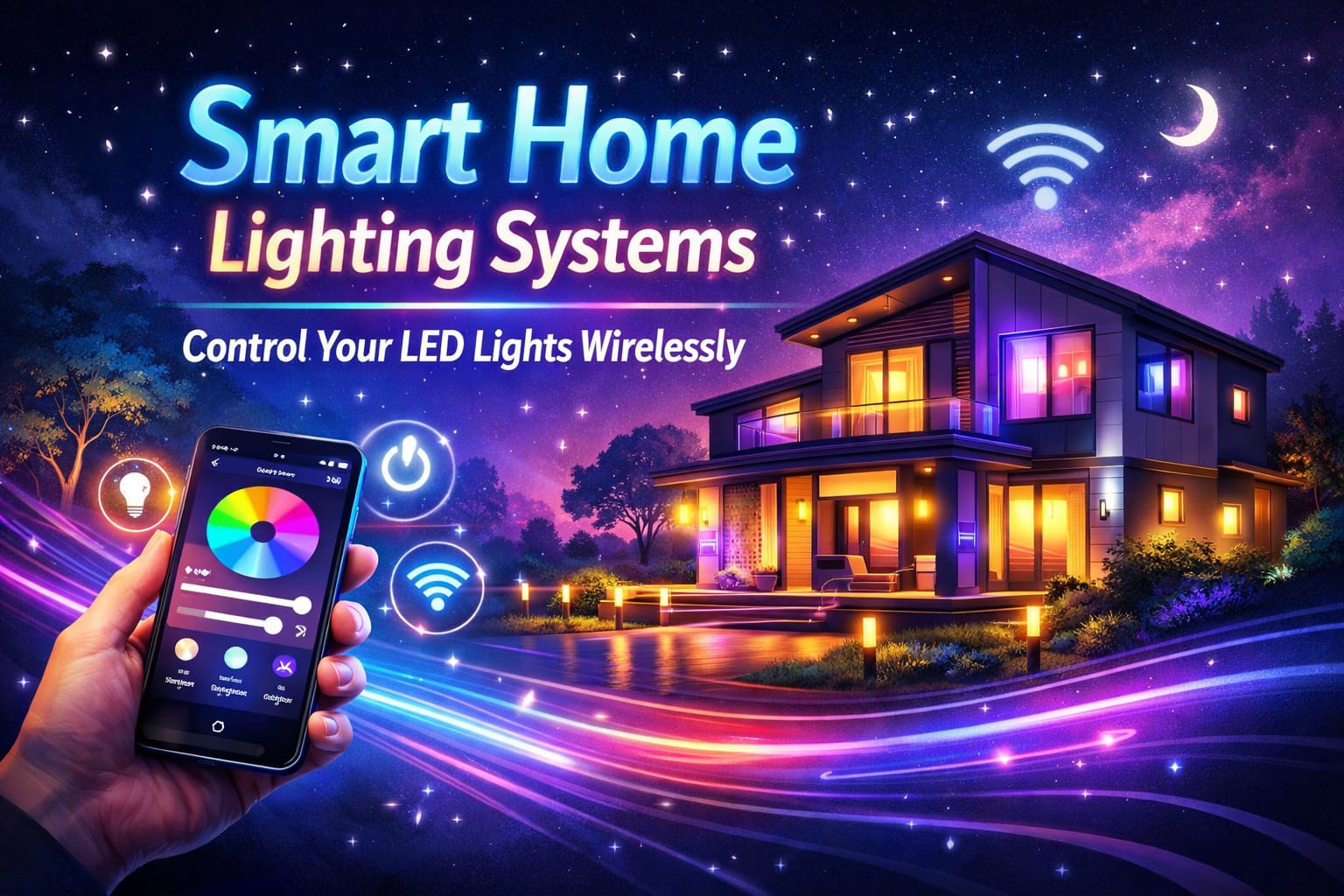
Table of Contents
Why Smart Home Lighting Matters
Smart home lighting matters because it turns lighting from something static into something adaptable. Instead of relying only on wall switches, you can schedule lights, adjust brightness automatically, create different moods for different times of day, and control several rooms more easily. The result is not just a more high-tech home, but a more useful one.
For some households, the biggest benefit is convenience. For others, it is better energy habits, more flexible scenes, or remote control when they are away. The best smart lighting systems are usually the ones that fit daily routines well, not the ones with the longest feature list.
According to the U.S. Department of Energy, LED lighting already improves efficiency, and smart controls can make those savings more consistent by helping lights dim, switch off, or follow schedules more reliably.
What You Will Find in This Category
- Guides to smart lighting basics and common system choices
- Comparisons of wireless connection types and control methods
- Articles on automation, routines, and everyday usability
- Help choosing between local and cloud-based setups
- Practical advice for building a smarter, more reliable lighting system
Start With the Smart Lighting Basics
If you are new to smart home lighting control, start with the basics before thinking about more advanced automation. The first things to understand are how smart lights communicate, what kind of control you actually want, and whether your system should prioritize simplicity, flexibility, or long-term reliability.
That is why this category focuses on the decisions people usually face first: which connection type makes sense, how control works in daily use, and how to avoid building a setup that sounds impressive but feels frustrating to live with.
Connectivity and Control Choices
Not every smart lighting system behaves the same way. Some rely on Wi-Fi, some use Bluetooth, and others depend on hubs or bridges. Those choices affect speed, stability, range, and how easy it is to manage several rooms at once. They also shape how dependent your setup is on outside services or a live internet connection.
That is why connectivity should be treated as a core setup decision rather than an afterthought. A system that looks simple on a product page can behave very differently once it has to run every evening, respond quickly, or support automation across the whole home.
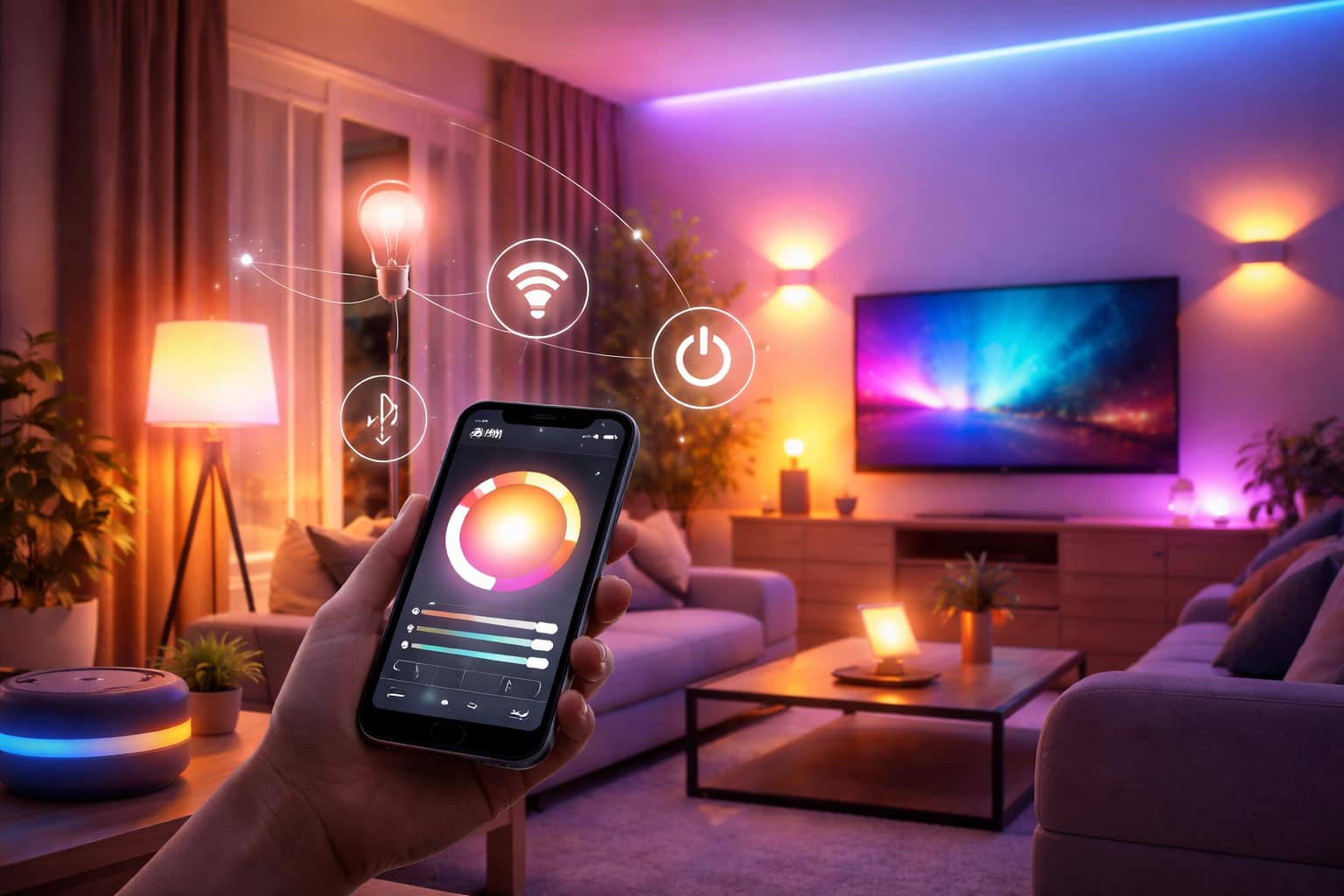
If you want the least frustrating experience, choose your control method first and your bulbs second. Good automation usually starts with the platform, not the bulb.
A Simple Way to Use This Category
- Start with connection types if you are still deciding how smart your system should be
- Move to automation topics if you already know which products you want
- Use control and scene guides if your goal is better day-to-day convenience
- Read related articles when you want a setup that feels more stable or more private
Automation, Scenes, and Routines
Automation is where smart lighting starts to feel genuinely useful. Schedules, routines, and scenes can make lighting match the way your home is actually used instead of forcing you to manage every bulb manually. That might mean softer evening lighting, wake-up routines, automatic shutoff, or one-tap scenes that adjust several lights at once.
Scenes become even more effective when they are built around the right brightness and color settings. Smart lighting is not only about switching lights on remotely. It is also about creating lighting that feels right for different rooms, moods, and times of day.
If you want to understand how light color shapes those scenes, our guide on color temperature is a useful supporting read.
Voice Control and Daily Use
Voice control can be genuinely helpful when it fits naturally into everyday routines. Turning lights off from bed, adjusting a room when your hands are full, or activating a scene without reaching for a switch can make a system feel much more intuitive. The real test, though, is whether the platform stays responsive and reliable over time.
That is why voice assistant compatibility should usually be treated as part of the overall control system rather than the only reason to choose a platform. A good smart lighting setup feels smooth because everything works together, not just because it can respond to a voice command.
Energy and Practical Benefits
Smart home lighting control can support lower energy use in practical ways. Scheduled shutoff, dimming, occupancy-based routines, and better visibility into usage patterns all make it easier to avoid wasted light. That does not mean every smart setup delivers dramatic savings automatically, but a well-configured one can reduce the everyday habits that lead to unnecessary energy use.
There are also benefits that have nothing to do with electricity bills. Presence simulation while you are away, easier late-night navigation, room-by-room control, and more flexible lighting moods can all make a smart setup feel more worthwhile over time.
How to Build a Better Smart Lighting Setup
Start by deciding what you want your system to do well. Some households need simple app control, some care more about privacy and local control, and others want better scenes, voice assistant support, or room-by-room expandability. The best system is rarely the one with the loudest branding. It is the one that fits your routines without adding friction.
It also helps to keep the setup realistic. A few reliable smart lights in the right rooms usually add more value than a whole-home system that feels inconsistent or hard to manage. Smart lighting works best when it reduces effort instead of creating another layer of daily maintenance.
If you want to explore more lighting fundamentals beyond smart features alone, the LED Knowledge Center is a useful companion resource.
Why This Category Is Useful
A strong smart home lighting hub should move you from general interest to practical decisions without making every page do the same job. That is the purpose of this category. It gives you a clear place to begin, then points you toward the right guide depending on whether you are comparing control methods, exploring automation, or trying to build a smarter setup overall.
It also keeps the topic organized. Instead of treating smart lighting as one broad idea, this section separates connectivity, control, automation, and real-world use. That makes the cluster easier to navigate and gives the topic a stronger structure across the site.
Key Takeaways
Smart home lighting is most useful when it makes everyday control easier, not more complicated. The best setups balance convenience, reliability, automation, and flexibility in a way that matches how your home is actually used.
If you are still deciding where to start, focus first on connectivity and control. Once those basics make sense, it becomes much easier to choose the right guides for scenes, routines, voice control, and practical setup decisions.
Use this category as a hub rather than a single answer page. A smarter lighting system usually comes from a series of good decisions, and the right guide at the right moment can save time, money, and frustration.
Sharing this guide
If you found this smart home lighting guide helpful, save it for later or share it with someone comparing automation and control options for their home.
Share using the links below