Energy Savings Using Motion Sensors: Ultimate Guide
Implementing energy savings using motion sensors reduces electricity consumption by automatically activating lighting only when spaces are occupied, eliminating waste from lights left on in empty rooms. This comprehensive guide explores sensor technologies, optimal placement strategies, configuration settings, and cost-benefit analyses demonstrating how automated occupancy detection transforms residential and commercial lighting efficiency while providing convenience benefits throughout diverse applications requiring intelligent control systems.
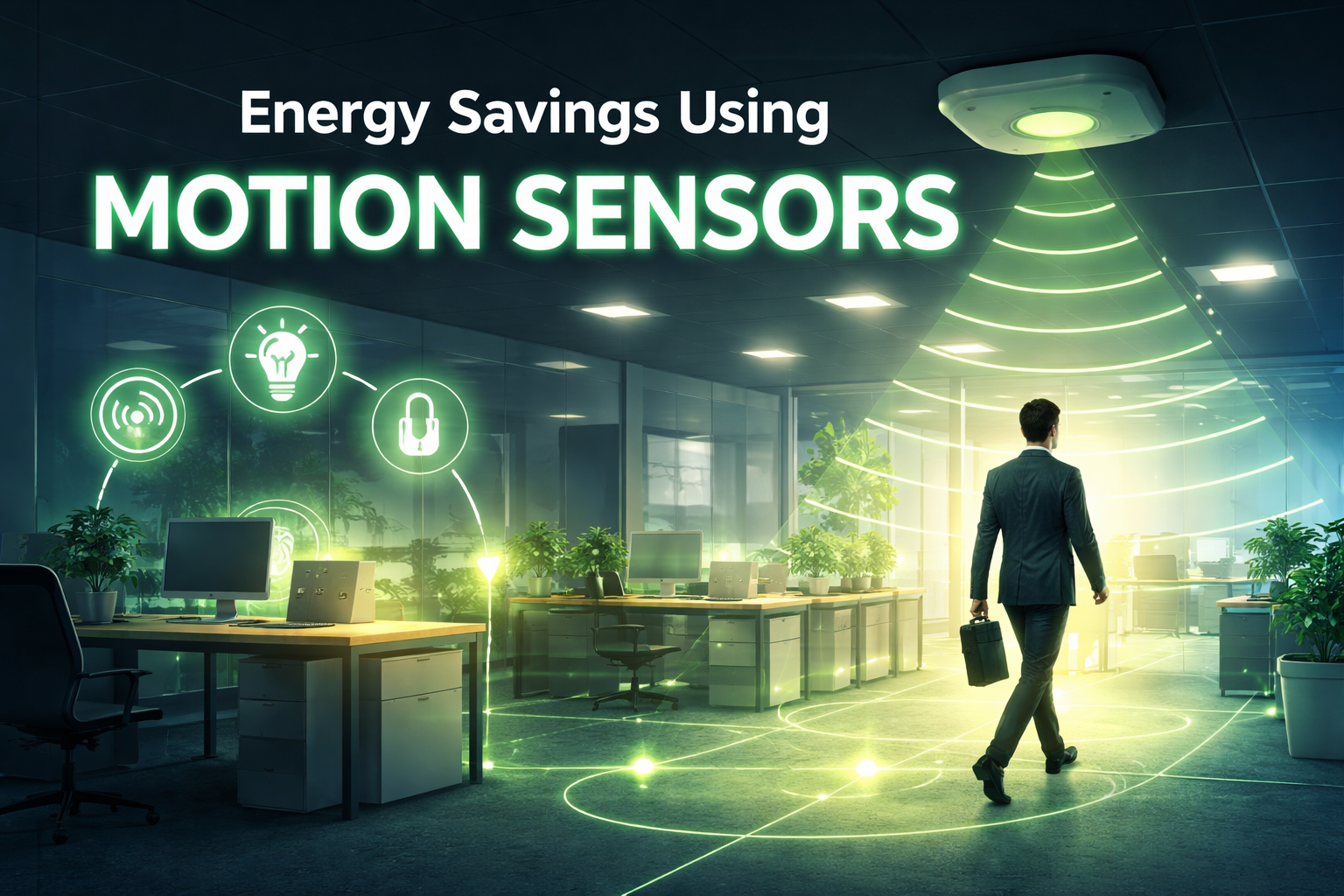
Table of Contents
How Sensors Work
Understanding the mechanics behind energy savings using motion sensors helps optimize system performance and expectations. Passive Infrared (PIR) sensors detect heat signatures from moving objects within detection zones. When occupants enter sensor range, infrared radiation changes trigger automatic lighting control activation. Upon departure, timers count down preset periods before deactivating lights ensuring continued illumination during temporary stillness throughout occupied periods.
These occupancy detection systems require movement for continued activation preventing lights extinguishing during extended stationary periods. Quality sensors detect minor movements like typing or reading page turns maintaining activation during seated activities. Sensitivity adjustments customize detection thresholds matching specific applications from small enclosed spaces to large open areas requiring varied detection capabilities throughout diverse installation scenarios.
Ultrasonic sensors use high-frequency sound waves detecting motion through doppler shift analysis. These sensors detect movement regardless of heat signatures providing advantages in temperature-controlled environments where PIR sensors struggle. Dual-technology sensors combining PIR and ultrasonic detection reduce false triggers while improving detection reliability creating robust electricity cost reduction solutions throughout demanding applications requiring maximum accuracy. Integration with efficient lighting technologies maximizes benefits.
Detection Zones
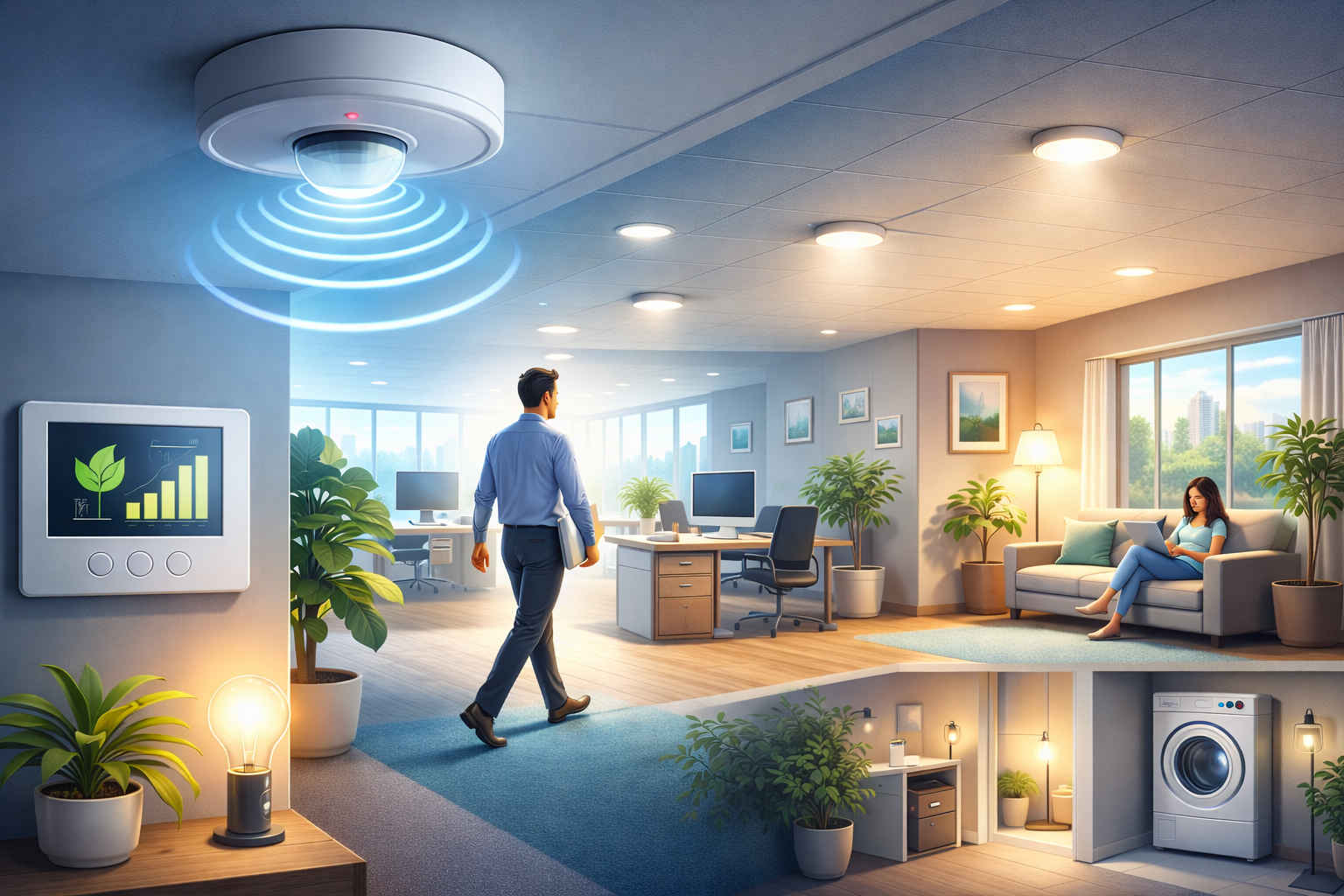
Detection zone configuration determines energy savings using motion sensors effectiveness. Ceiling-mounted sensors provide 360-degree coverage ideal for rooms with multiple entry points. Wall-mounted sensors offer directional coverage suitable for hallways or single-entry spaces. Understanding coverage patterns ensures complete detection preventing lights deactivating while spaces remain occupied throughout normal usage.
If you want a dependable option, a solid example is Motion Sensor Light Switch, which performs reliably in everyday use.
Sensor Types
Various sensor technologies enable energy savings using motion sensors across different applications. Passive Infrared (PIR) sensors represent the most common residential option detecting body heat through infrared radiation changes. These affordable reliable sensors suit most household applications from bathrooms to closets providing adequate automatic lighting control throughout typical occupancy detection systems requirements without excessive complexity.
Ultrasonic sensors excel in spaces where line-of-sight obstructions prevent PIR detection. Partition walls, shelving, or equipment blocking direct views don’t impair ultrasonic detection making these sensors suitable for complex layouts. However, ultrasonic sensors prove more sensitive to environmental factors like air currents from HVAC systems potentially causing false triggers requiring careful placement and adjustment throughout installation processes.
Dual-technology sensors combining PIR and ultrasonic detection provide premium performance requiring both technologies confirming occupancy before activation. This redundancy virtually eliminates false triggers while ensuring reliable detection throughout varied conditions. The electricity cost reduction benefits justify higher initial costs in critical applications where reliability outweighs budget constraints supporting professional installations requiring maximum performance. According to U.S. Department of Energy LED lighting efficiency guidance, sensor integration significantly enhances savings.
Vacancy Sensors
Vacancy sensors require manual activation but automatic deactivation distinguishing them from full occupancy detection systems. This hybrid approach satisfies building codes requiring manual control while providing energy savings using motion sensors through automatic shutoff. Vacancy sensors suit applications where occupants prefer intentional lighting activation but appreciate automatic deactivation preventing waste during forgetful departures.
These sensors provide gentler introduction to automatic lighting control for occupants uncomfortable with fully autonomous systems. The manual activation requirement ensures lights never activate unexpectedly during intentional darkness like bedroom sleeping or home theater use. Automatic deactivation still delivers substantial electricity cost reduction by eliminating lights left on unnecessarily throughout extended absences from spaces.
Placement Strategies
Optimal sensor placement maximizes energy savings using motion sensors through complete coverage and reliable detection. Ceiling-mount sensors positioned centrally in rooms provide omnidirectional coverage detecting movement from any direction. Mount sensors 8-12 feet high for typical residential applications ensuring adequate detection range without excessive sensitivity causing false triggers from passing outdoor traffic or adjacent room movement.
Wall-mounted sensors install at switch height replacing traditional switches with integrated sensor-switch combinations. Position these sensors where they detect occupants entering spaces rather than movement outside rooms. Aim sensors toward areas where occupants spend time rather than doorways capturing sustained presence rather than brief transitional passages throughout occupancy detection systems operation supporting accurate activation patterns.
Avoid positioning sensors where external factors cause false triggers. Windows admitting sunlight, heating vents blowing warm air, or pets moving through spaces create unwanted activations wasting electricity cost reduction benefits. Test sensor operation during various conditions adjusting sensitivity and aim ensuring reliable performance throughout varied environmental conditions affecting detection accuracy. Understanding system integration connects to comprehensive automation strategies coordinating multiple devices.
Multiple Sensors
Large spaces benefit from multiple sensors ensuring complete coverage supporting energy savings using motion sensors throughout expansive areas. Connect sensors in parallel ensuring any sensor detecting movement maintains lighting activation. This configuration prevents lights deactivating when occupants move between sensor zones creating seamless automatic lighting control throughout spaces exceeding single-sensor coverage capabilities.
Open-plan offices or retail spaces particularly benefit from multiple-sensor installations ensuring continuous detection as people move throughout areas. Strategic sensor placement creates overlapping coverage preventing dead zones where movement goes undetected. This comprehensive occupancy detection systems approach maximizes electricity cost reduction while maintaining reliable illumination supporting productive activities throughout commercial applications requiring extensive coverage.
Timeout Settings
Timeout duration significantly affects energy savings using motion sensors by determining how long lights remain active after last detecting movement. Short timeouts maximize savings by quickly deactivating lights during brief absences. Long timeouts reduce activation frequency preventing nuisance cycling during intermittent stillness. Balancing these competing objectives optimizes both automatic lighting control efficiency and user satisfaction.
Bathroom sensors typically use 5-10 minute timeouts accommodating shower or bath duration without premature deactivation. Closet sensors benefit from 1-2 minute timeouts matching brief visits. Conference rooms require 15-30 minute timeouts preventing deactivation during presentations when occupants remain stationary. Matching timeout settings to actual usage patterns ensures occupancy detection systems serve rather than frustrate users throughout varied applications.
Adjustable timeout settings enable customization matching specific needs. Start with moderate 5-minute timeouts then adjust based on actual usage experience. Too-short timeouts causing frequent deactivation suggest longer settings. Lights remaining on unnecessarily indicate shorter timeouts would improve electricity cost reduction without compromising functionality throughout optimization processes refining system performance. Reference ENERGY STAR guide to LED lighting basics for efficiency information.
Adaptive Timing
Advanced sensors feature adaptive timing learning typical occupancy patterns adjusting timeout durations automatically. These intelligent systems extend timeouts during high-traffic periods preventing excessive cycling while shortening timeouts during low-traffic periods maximizing energy savings using motion sensors. Machine learning algorithms optimize performance over time requiring no manual intervention throughout automatic lighting control operation supporting seamless efficiency.
Adaptive systems cost more initially though deliver superior long-term performance through continuous optimization. These premium features suit commercial applications where energy costs justify investment in sophisticated occupancy detection systems. Residential applications typically use fixed timeouts providing adequate performance at lower costs throughout budget-conscious installations prioritizing simplicity over advanced capabilities.
Residential Applications
Home implementation of energy savings using motion sensors targets high-impact locations generating maximum returns. Bathrooms represent prime candidates with frequent brief visits often leaving lights on unnecessarily. Sensor installation eliminates this waste ensuring lights activate upon entry and deactivate shortly after departure. Typical bathroom sensor systems save 30-50% lighting energy compared to manual control throughout residential applications.
Closet lighting benefits significantly from automatic lighting control eliminating fumbling for switches while carrying items. Motion sensors provide immediate illumination upon door opening then automatic deactivation after closing. This convenience enhancement accompanies electricity cost reduction creating dual benefits justifying sensor investment throughout accessory spaces serving storage and wardrobe functions requiring frequent brief access periods.
Garage and basement sensors prevent lights left on for extended periods after brief visits. These spaces typically receive infrequent access making forgotten lights particularly wasteful. Occupancy detection systems ensure illumination only during actual presence eliminating hours of unnecessary operation following short equipment retrievals or quick storage access throughout auxiliary spaces serving intermittent functional requirements. Advanced features explored through specialized lighting technologies enhance capabilities.
Outdoor Security
Outdoor motion sensors serve dual purposes providing energy savings using motion sensors while enhancing security through activation deterring intruders. Porch, driveway, and walkway sensors illuminate paths automatically improving safety during nighttime arrivals. These sensors typically use photocells preventing daytime activation focusing electricity cost reduction efforts on nighttime hours requiring artificial illumination.
Adjustable sensitivity and detection range settings prevent unwanted activation from passing vehicles, animals, or distant movement. Weather-resistant outdoor-rated sensors withstand environmental exposure ensuring reliable long-term automatic lighting control operation. Strategic placement near entry points maximizes both security and convenience benefits while minimizing energy waste throughout exterior residential lighting applications.
Commercial Applications
Commercial buildings achieve substantial energy savings using motion sensors through comprehensive deployment across offices, warehouses, and retail spaces. Office installations typically generate 20-40% lighting energy reductions by eliminating operation in unoccupied conference rooms, break rooms, and private offices. These savings compound across large facilities creating substantial electricity cost reduction supporting corporate sustainability initiatives and operational cost management.
Warehouse applications particularly benefit from occupancy detection systems in storage areas receiving intermittent access. Aisle sensors activate lighting only when workers enter zones deactivating quickly after departure. This targeted approach eliminates continuous illumination of vast spaces rarely occupied simultaneously generating dramatic energy reductions throughout industrial facilities requiring extensive square footage coverage.
Retail restrooms use automatic lighting control ensuring appropriate illumination for customers while preventing continuous operation during low-traffic periods. Storeroom and utility space sensors eliminate waste from lights left on unnecessarily during stocking or maintenance activities. These applications accumulate savings across multiple locations supporting chain-wide sustainability programs delivering measurable environmental and financial benefits throughout commercial real estate portfolios.
Code Compliance
Building codes increasingly mandate energy savings using motion sensors in commercial construction promoting occupancy detection systems adoption through regulatory requirements. These codes typically specify sensor performance standards, timeout maximums, and manual override capabilities ensuring safety alongside efficiency. Understanding local code requirements ensures compliant installations avoiding costly retrofits correcting deficiencies identified during inspections.
Emergency egress lighting typically requires manual control or alternative automatic lighting control technologies ensuring reliable illumination during emergencies regardless of occupancy detection. Separating normal and emergency lighting circuits maintains code compliance while enabling sensor deployment throughout general-use areas. Professional electrical contractors familiar with applicable codes ensure proper system design throughout commercial projects requiring regulatory adherence.
Cost Benefit Analysis
Quantifying energy savings using motion sensors helps justify investment decisions through concrete financial projections. Basic PIR sensors cost $15-30 each with simple installations requiring no professional assistance. A bathroom sensor preventing 4 hours daily unnecessary operation of 40-watt lighting saves approximately 58 kWh annually worth $8.70 at $0.15/kWh achieving payback within 2-3 years throughout typical residential applications.
Commercial installations with professional labor cost $100-200 per sensor including materials and installation. Office conference room sensors preventing 8 hours daily waste of 200 watts save 584 kWh annually worth $87.60 achieving payback within 1-2 years. These calculations exclude additional electricity cost reduction from reduced air conditioning loads cooling spaces without unnecessary heat from idle lighting throughout climate-controlled environments.
Whole-building implementations create economies of scale reducing per-sensor costs while generating substantial cumulative savings. A 50-sensor commercial installation costing $7,500 saving $4,000 annually achieves payback under 2 years then continues delivering savings throughout 10-15 year sensor lifespans. These long-term benefits justify upfront investment supporting corporate energy management strategies throughout occupancy detection systems deployment across facility portfolios. Additional resources available at comprehensive knowledge centers provide detailed guidance.
Utility Rebates
Many utilities offer rebates encouraging energy savings using motion sensors through financial incentives reducing net implementation costs. These programs typically provide $10-50 per sensor or percentage-based rebates covering 25-50% of installation costs. Rebate availability varies by utility and jurisdiction requiring investigation of local programs before budgeting automatic lighting control projects throughout planning phases.
Rebate programs often require pre-approval, specific product certifications, and professional installation documentation. Understanding program requirements before purchasing ensures eligibility avoiding disappointment from rejected claims. These incentives significantly improve project economics accelerating payback periods making electricity cost reduction investments more attractive throughout commercial and residential applications seeking financial optimization.
Installation Options
Various installation approaches enable energy savings using motion sensors across different applications and skill levels. Wall-switch replacement sensors offer DIY-friendly installation requiring basic electrical knowledge. Turn off circuit breakers, remove existing switches, and install sensor-switch combinations following manufacturer instructions. These integrated units combine sensing and switching in single devices simplifying wiring throughout standard residential electrical boxes.
Ceiling-mount sensors require fixture mounting and wiring connections though provide superior coverage through 360-degree detection. These installations suit new construction or renovation projects when ceiling access exists. Retrofit applications may require professional assistance running wiring and cutting ceiling openings supporting proper occupancy detection systems installation throughout existing structures without prepared infrastructure.
Wireless battery-powered sensors avoid electrical work entirely enabling renter-friendly temporary installations. These units control compatible wireless bulbs or plug-in modules requiring no permanent modifications. Battery life typically extends 1-2 years before replacement. While avoiding installation complexity, wireless systems cost more for hardware and batteries creating long-term automatic lighting control expenses throughout operational periods requiring ongoing maintenance.
Smart Integration
Smart home platforms enable energy savings using motion sensors through integration with comprehensive automation systems. Sensors triggering smart switches enable complex rules combining occupancy with time schedules, daylight levels, or other system inputs. This sophisticated electricity cost reduction approach optimizes performance beyond simple motion activation throughout intelligent residential environments coordinating multiple control inputs.
Energy monitoring features track actual savings demonstrating occupancy detection systems effectiveness through concrete consumption data. Historical tracking validates investment decisions while identifying optimization opportunities refining system operation. These insights support continuous improvement throughout automated environments providing measurable performance feedback supporting informed adjustment decisions enhancing automatic lighting control throughout evolving usage patterns.
Daylight Sensing
Photocell integration enhances energy savings using motion sensors by preventing daytime activation when natural light provides adequate illumination. Dual-function sensors combining motion and daylight detection activate lights only when spaces are both occupied and dark. This compound logic maximizes electricity cost reduction eliminating unnecessary operation during bright periods throughout spaces receiving substantial natural lighting.
Adjustable light-level thresholds enable customization matching specific ambient lighting preferences. Some occupants prefer earlier artificial lighting activation during twilight while others accept lower light levels before triggering sensors. This flexibility accommodates personal preferences while maintaining automatic lighting control benefits throughout varied user expectations requiring customizable operation supporting diverse occupancy detection systems applications.
Window-adjacent installations particularly benefit from daylight sensing preventing redundant artificial lighting when sunlight provides adequate illumination. Offices, hallways, and common areas with natural light access achieve enhanced savings through photocell integration. These applications demonstrate how combining multiple control strategies creates synergistic benefits exceeding individual technology capabilities throughout sophisticated efficiency implementations optimizing performance.
Seasonal Adjustment
Daylight availability varies seasonally affecting energy savings using motion sensors with photocell integration. Summer’s extended daylight reduces artificial lighting needs while winter’s shortened days increase reliance on sensors. Understanding these patterns helps set realistic savings expectations throughout annual cycles affecting electricity cost reduction projections requiring seasonal context.
Automatic daylight sensing adapts to changing conditions without manual intervention maintaining optimal performance throughout seasons. This set-and-forget operation proves particularly valuable in commercial applications where facilities management teams lack time for ongoing adjustment. Automated occupancy detection systems operation reduces management burden while maintaining consistent automatic lighting control performance supporting reliable long-term efficiency.
Common Mistakes
Poor sensor placement undermines energy savings using motion sensors by creating detection blind spots or excessive false triggers. Mounting sensors behind doors, furniture, or equipment creates obstructions preventing reliable occupancy detection. Position sensors with clear sight lines throughout spaces ensuring comprehensive coverage without physical impediments throughout occupancy detection systems operation supporting consistent performance.
Excessive sensitivity causes lights activating from external movement like passing traffic, swaying trees, or adjacent room activity. These false triggers waste electricity cost reduction benefits through unnecessary operation. Adjust sensitivity settings or reposition sensors preventing unwanted activation while maintaining reliable detection of actual occupancy throughout automatic lighting control applications requiring balanced operation.
Inappropriate timeout settings frustrate users when lights deactivate prematurely during legitimate occupancy. Too-short timeouts in conference rooms cause repeated cycling during presentations. Too-long timeouts in brief-visit spaces like closets waste energy through extended operation. Matching timeout durations to actual usage patterns ensures both user satisfaction and maximum electricity cost reduction throughout diverse applications requiring customized settings.
Compatibility Issues
Some dimmers and LED drivers prove incompatible with energy savings using motion sensors causing flickering, humming, or failure to operate. Verify sensor compatibility with connected loads before installation preventing performance issues. Incompatible combinations require replacing dimmers or selecting different sensors ensuring proper occupancy detection systems operation throughout installations requiring specific component combinations.
Three-way switch configurations require special sensor switches supporting multiple control locations. Standard sensors work only in single-switch applications. Understanding wiring requirements prevents installation failures requiring product returns and restarts. Professional consultation helps navigate complex electrical configurations ensuring successful automatic lighting control implementation throughout challenging residential wiring scenarios.
Maintenance Requirements
Minimal maintenance sustains energy savings using motion sensors throughout operational lifespans. Periodic cleaning removes dust and debris from sensor lenses ensuring clear detection. Dirty lenses reduce sensitivity causing missed activations or shortened detection ranges throughout occupancy detection systems requiring occasional attention supporting reliable long-term performance.
Battery-powered sensors require periodic battery replacement typically every 1-2 years depending on activation frequency. Low-battery indicators signal replacement needs before complete failure. Maintaining fresh batteries ensures continuous electricity cost reduction throughout wireless automatic lighting control installations avoiding operational gaps from depleted power sources.
Periodic testing verifies continued proper operation detecting degraded performance before complete failure. Walk through detection zones confirming activation then remain still verifying timeout operation. These simple tests identify issues early enabling corrective action maintaining optimal performance throughout systems requiring ongoing attention supporting maximum long-term benefits from initial investments.
Firmware Updates
Smart sensors benefit from firmware updates improving performance and adding features. Manufacturers periodically release updates addressing bugs or enhancing capabilities. Installing updates maintains optimal energy savings using motion sensors throughout evolving product lifecycles. Automatic update features simplify maintenance though manual update checks ensure latest improvements support occupancy detection systems operation throughout connected devices.
Legacy sensors lacking update capabilities eventually require replacement as technology advances. Planning replacement cycles every 5-10 years ensures access to latest efficiency innovations. This planned obsolescence approach maintains cutting-edge automatic lighting control performance throughout facilities prioritizing optimal electricity cost reduction supporting continuous improvement philosophies embracing technological advancement.
Sharing this guide
If you found this guide helpful, you can save it for later or share it with a friend. It’s especially useful for beginners, homeowners, and DIY users.
Share using the links below
Interested in learning more? Browse all related articles in our category section.
Pingback: Do Dimmer Switches Save Electricity? Real Truth Now