Energy Saving Lighting for Apartments: Smart Guide
Implementing effective energy saving lighting for apartments helps renters reduce utility costs while respecting lease restrictions on permanent modifications. This comprehensive guide explores LED technology, portable fixtures, smart controls, and strategic placement techniques that maximize efficiency and minimize electricity consumption throughout compact living spaces requiring careful planning to balance adequate illumination with responsible energy usage supporting both financial savings and environmental sustainability goals.
Table of Contents
LED Bulb Basics
LED technology forms the foundation of effective energy saving lighting for apartments by consuming 75-85% less electricity than traditional incandescent bulbs while lasting 25-50 times longer. A standard 60-watt incandescent bulb produces 800 lumens while consuming 60 watts. An equivalent LED produces identical brightness while consuming only 8-10 watts, dramatically reducing electricity consumption without sacrificing light quality throughout residential applications requiring sustained illumination.
Apartment dwellers benefit particularly from LED longevity eliminating frequent bulb replacements in hard-to-reach ceiling fixtures or enclosed bathrooms requiring ladder work. Extended lifespans of 15-25 years at typical usage means installing LEDs once potentially serving entire rental tenancy periods. This longevity proves especially valuable for renters moving frequently who can transport valuable LED bulbs to new residences avoiding repeated bulb purchases throughout multiple relocations.
Initial LED purchase prices exceeding incandescent costs recover quickly through reduced electricity bills. A $5 LED bulb replacing 60-watt incandescent used three hours daily saves approximately $8.55 annually in electricity costs achieving payback within seven months. After recovery, ongoing savings continue throughout extended lifespans creating substantial cumulative benefits supporting utility bill reduction goals throughout budget-conscious apartment living requiring careful expense management. Understanding these fundamentals connects to broader environmental impact considerations affecting sustainability.
Lumen Requirements
Understanding lumen output ensures proper brightness when implementing energy saving lighting for apartments. Living rooms require 1,500-3,000 lumens total distributed across multiple fixtures. Kitchens need 4,000-8,000 lumens for adequate task lighting. Bedrooms work well with 2,000-4,000 lumens. Bathrooms require 4,000-8,000 lumens for grooming tasks. These guidelines help apartment dwellers select appropriate LED wattages matching specific room requirements.
Compact space illumination in studio apartments benefits from layered lighting approaches using multiple moderate-output fixtures rather than single bright sources. This distribution creates more even coverage without harsh shadows while allowing selective activation of specific zones reducing unnecessary consumption. Strategic fixture placement matching actual usage patterns optimizes both illumination quality and energy efficiency throughout limited square footage requiring careful planning.
Fixture Restrictions
Rental agreements typically prohibit permanent fixture modifications limiting energy saving lighting for apartments to bulb replacements and portable additions. Most leases allow tenants replacing bulbs in existing fixtures with LED equivalents matching original socket types. This simple substitution provides immediate efficiency improvements without violating lease terms or requiring landlord approval throughout standard rental arrangements.
If you want a dependable option, a solid example is plug in light timer, which performs reliably in everyday use.
Removing or replacing hardwired ceiling fixtures generally requires landlord permission. Renters should retain original bulbs for reinstallation before moving avoiding potential security deposit deductions for unauthorized modifications. Photographing original bulb configurations helps ensure accurate restoration matching initial conditions. These precautions protect tenant interests while enabling beneficial efficiency upgrades throughout rental periods respecting property ownership boundaries.
Reversible Upgrades
Renter-friendly lighting solutions emphasize completely reversible modifications leaving no permanent changes upon departure. Plug-in fixtures using standard outlets require no installation beyond plugging in. Clamp lamps attach to furniture edges without fasteners. Tension-rod mounted fixtures wedge between walls without holes. These portable approaches enable customized lighting improving upon inadequate builder-grade fixtures without lease violations throughout tenancy periods.
Adhesive LED strip lights using removable mounting tape provide accent lighting without permanent attachment. Quality removable adhesives release cleanly without damaging paint when proper removal techniques are followed. Testing adhesion in inconspicuous areas before full installation verifies compatibility with specific wall surfaces preventing damage risks. These temporary additions enhance compact space illumination without compromising security deposits upon lease termination.
Portable Solutions
Portable lamps and fixtures provide flexible energy saving lighting for apartments supplementing inadequate permanent installations. Floor lamps positioned strategically supply ambient lighting eliminating reliance on energy-intensive ceiling fixtures. Table lamps on end tables, desks, or nightstands provide localized task lighting avoiding whole-room illumination for focused activities. These movable fixtures travel between apartments making them sound investments for transient rental lifestyles.
LED-integrated portable fixtures eliminate bulb replacement concerns throughout their lifespans. These self-contained units feature non-replaceable LED modules lasting entire fixture operational periods. While initial costs exceed traditional lamp-plus-bulb combinations, integrated designs optimize thermal management and driver quality extending reliability. Choosing quality integrated fixtures provides maintenance-free operation throughout multiple rental residences requiring no consumable replacements.
Rechargeable LED lamps offering cordless operation enable placement anywhere without outlet proximity constraints. These battery-powered fixtures provide temporary lighting during power outages or outdoor balcony use extending living space functionality. USB-rechargeable models eliminate disposable batteries supporting sustainability while providing flexible illumination options throughout apartments with limited outlets or inconvenient electrical access requiring creative solutions. Avoiding installation problems simplifies renter-friendly approaches.
Clip Lamps
Clip-on lamps attach to headboards, desks, or shelving providing targeted illumination without floor space consumption. These compact fixtures suit tight quarters where traditional lamps prove impractical. LED clip lamps consuming 5-10 watts provide adequate reading light while generating negligible electricity costs. Their portability and non-permanent mounting make them ideal renter-friendly lighting solutions requiring no installation throughout temporary housing.
Adjustable-arm clip lamps enable precise light direction matching specific tasks or areas. Gooseneck designs maintain positions once adjusted providing hands-free illumination for reading, crafts, or detailed work. These focused lighting approaches reduce overall consumption by illuminating only necessary areas rather than entire rooms creating substantial utility bill reduction through targeted application of illumination resources.
Timer Automation
Plug-in timers provide simple automation for energy saving lighting for apartments eliminating lights left on unnecessarily. These inexpensive devices insert between outlets and lamp plugs controlling power delivery based on programmed schedules. Setting timers to activate lighting before typical arrival times and deactivate after bedtime ensures appropriate illumination availability while preventing waste during absences throughout daily routines.
Mechanical timers using rotating dials offer basic 24-hour scheduling without batteries or complex programming. Digital timers provide more sophisticated control including seven-day schedules, multiple daily events, and random variation modes simulating occupancy during vacations. These automation tools require no permanent installation or electrical expertise making them accessible renter-friendly lighting solutions improving efficiency through intelligent control.
Timers prove particularly valuable for entryway lighting ensuring illuminated arrivals after dark without continuous operation throughout absences. Living room lamps programmed to activate evenings create welcoming environments while deactivating automatically during sleep hours. These scheduled operations optimize utility bill reduction by eliminating human forgetfulness causing unnecessary consumption throughout apartments lacking sophisticated built-in automation requiring aftermarket solutions. According to U.S. Department of Energy LED lighting efficiency guidance, automation significantly improves residential efficiency.
Occupancy Sensors
Plug-in occupancy sensors detect motion automatically activating connected lighting when apartments are occupied then deactivating after preset periods without movement. These sensors suit entryways, bathrooms, or closets where brief occupancy periods benefit from automatic control eliminating manual switch operation. Adjustable sensitivity and timeout settings accommodate specific usage patterns optimizing both convenience and energy savings.
Photocell-equipped sensors prevent daytime activation when natural light provides adequate illumination. This dual-mode operation ensures automation operates only when actually needed avoiding unnecessary consumption during bright daylight hours. These intelligent controls maximize efficiency while maintaining appropriate lighting availability throughout varying conditions supporting comprehensive energy saving lighting for apartments requiring minimal manual intervention.
Natural Light
Maximizing natural daylight reduces artificial lighting requirements supporting energy saving lighting for apartments through free solar illumination. Opening blinds and curtains during daytime hours admits sunlight providing adequate illumination for most activities without electricity consumption. Light-colored walls and furnishings reflect natural light deeper into apartments amplifying coverage from windows throughout interior spaces.
Strategic furniture placement keeps work areas near windows utilizing natural light for reading, computer work, or hobbies during daylight hours. Desks positioned perpendicular to windows receive optimal illumination without screen glare. This natural lighting preference delays artificial lighting activation extending daily periods without electricity consumption supporting utility bill reduction through zero-cost solar resources.
Translucent window treatments diffuse harsh direct sunlight creating comfortable natural illumination without excessive brightness or heat gain. Sheer curtains, light-filtering shades, or frosted films maintain privacy while admitting daylight. These treatments optimize natural light utilization throughout compact space illumination strategies balancing illumination, privacy, and temperature control requirements in apartments with varied window orientations and exposure conditions.
Mirror Placement
Mirrors positioned opposite or adjacent to windows reflect natural light throughout apartments increasing effective coverage from limited window area. Large wall mirrors or mirrored furniture amplify available daylight reducing artificial lighting needs during daytime hours. This passive lighting enhancement requires no electricity while improving illumination quality throughout spaces with inadequate window access.
Leaning mirrors or standing mirror furniture provides renter-friendly solutions avoiding wall-mounted installations requiring fasteners. These portable reflective surfaces travel between apartments enhancing natural light in successive residences. Strategic mirror placement complements artificial lighting strategies creating comprehensive illumination approaches balancing natural and electric sources throughout daily cycles.
Task Lighting
Focused task lighting enables energy saving lighting for apartments by illuminating specific work areas without activating entire room overhead fixtures. Desk lamps provide concentrated illumination for computer work, reading, or writing consuming 5-15 watts versus 60-100+ watts for overhead ceiling fixtures. Under-cabinet LED strips illuminate kitchen counters for food preparation without activating main kitchen lighting throughout cooking activities.
Reading lamps positioned near seating areas enable evening reading or hobbies without whole-room lighting. These targeted approaches reduce total consumption by activating only necessary illumination matching actual activity requirements. Combining task lighting with dimmed ambient sources creates comfortable environments using minimal electricity supporting utility bill reduction through selective application of lighting resources.
Battery-powered LED puck lights or stick-on fixtures provide temporary task lighting without electrical connections. These portable solutions suit closets, pantries, or storage areas lacking built-in lighting. Rechargeable versions eliminate disposable battery waste while providing convenient illumination for spaces where wired installation proves impractical throughout rental restrictions limiting permanent modifications. Integration with coordinated control systems enables sophisticated management.
Adjustable Intensity
Dimmable LED task lamps enable brightness adjustment matching specific needs without excess. Reading requires higher intensity than ambient evening activities. Adjustable lamps prevent over-illumination reducing consumption while maintaining adequate visibility. Three-way bulbs or integrated dimming controls provide flexibility optimizing energy saving lighting for apartments through customized output levels throughout varied activities.
Color temperature adjustment features found in premium task lamps enable warm lighting for evening relaxation or cool lighting for focused daytime work. This tunable capability optimizes both energy efficiency and circadian rhythm support through appropriate lighting characteristics matching time-based needs. While adding cost, these advanced features provide superior functionality justifying investment for primary task lighting applications.
Smart Controls
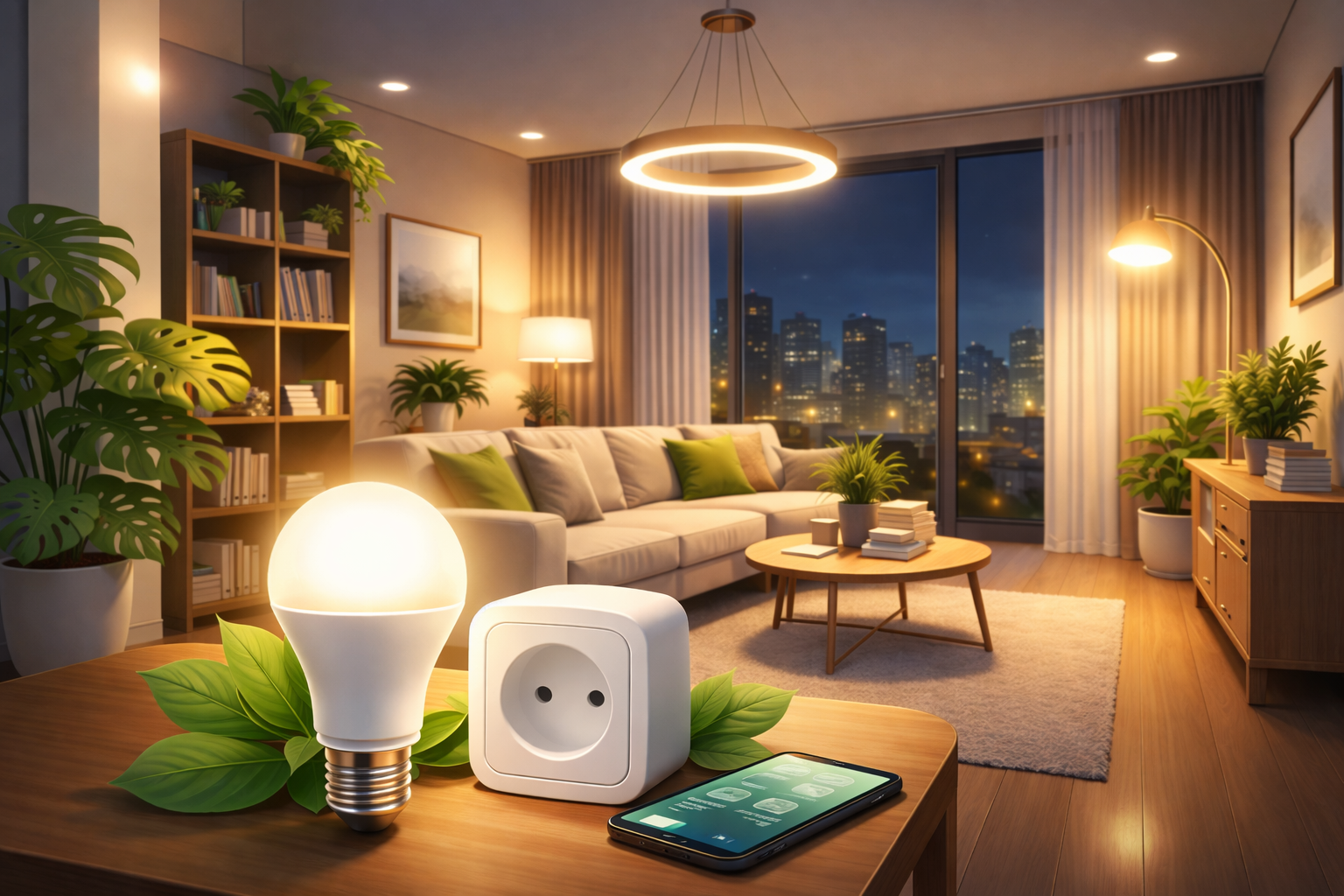
Smart bulbs and plugs enable advanced automation for energy saving lighting for apartments through smartphone apps, voice control, and sophisticated scheduling. These devices replace standard bulbs or insert between outlets and fixtures providing wireless connectivity without permanent installation. Renters transport smart devices between apartments maintaining investments throughout relocations supporting technology-enhanced efficiency across multiple residences.
Scheduling features activate lighting before arrivals and deactivate after departures automating efficiency without manual intervention. Vacation modes randomize timing simulating occupancy deterring burglars while minimizing consumption. Away-from-home control enables remote deactivation of forgotten lights preventing unnecessary consumption throughout absences. These capabilities optimize utility bill reduction through intelligent management matching actual occupancy patterns.
Energy monitoring features track consumption providing insights into usage patterns and costs. Historical data identifies optimization opportunities through adjusted schedules or behavioral changes. This visibility transforms abstract efficiency goals into concrete measurable improvements supporting informed decision-making throughout ongoing optimization efforts. According to ENERGY STAR guide to LED lighting basics, smart integration enhances efficiency substantially.
Voice Integration
Voice assistants enable hands-free lighting control through natural language commands. “Turn off living room lights” deactivates fixtures without manual switches or apps. This convenience encourages consistent activation/deactivation patterns supporting energy saving lighting for apartments through reduced friction in control interactions. Voice control proves particularly valuable when hands occupy cooking, cleaning, or carrying items throughout daily activities.
Routine programming combines multiple actions through single commands. “Goodnight” might deactivate all lights, lock smart locks, and adjust thermostats simultaneously. These coordinated routines simplify evening shutdown procedures ensuring comprehensive deactivation preventing forgotten lights consuming electricity overnight. Voice-activated automation bridges manual control and full automation providing accessible efficiency management.
Bulb Selection
Choosing appropriate bulbs optimizes energy saving lighting for apartments balancing brightness, color quality, and cost. ENERGY STAR certified LEDs ensure minimum quality and efficiency standards backed by independent testing. These certified products deliver promised performance justifying slightly higher prices through reliable operation and longevity throughout extended operational periods.
Color temperature affects ambiance and functionality. Warm white 2700-3000K creates cozy residential atmospheres suitable for living areas and bedrooms. Neutral white 3500-4000K works well for kitchens and bathrooms. Cool white 5000K+ suits task-intensive spaces like home offices. Selecting appropriate temperatures ensures satisfaction with LED adoption supporting consistent usage throughout compact space illumination requiring varied characteristics.
Dimmable LEDs provide flexibility adjusting brightness matching activities and moods. Not all LEDs dim properly with standard dimmers potentially causing flickering or limited range. Verify dimming compatibility before purchasing avoiding frustration from incompatible combinations. Quality dimmable LEDs cost more but provide superior functionality justifying investment for primary fixtures requiring variable output throughout renter-friendly lighting solutions.
CRI Importance
Color Rendering Index (CRI) indicates how accurately LEDs render colors compared to natural daylight. Scores above 90 ensure natural color perception important for makeup application, artwork appreciation, or food presentation. Budget LEDs often sacrifice CRI for lower costs producing acceptable brightness at reduced color quality. Investing in high-CRI bulbs for key areas ensures satisfaction while economy bulbs suit utility spaces.
Bathrooms particularly benefit from high-CRI lighting ensuring accurate appearance assessment. Kitchens with high-CRI illumination render food colors naturally enhancing meal appeal. These quality considerations complement efficiency goals creating comprehensive lighting strategies balancing technical performance, energy savings, and subjective satisfaction throughout energy saving lighting for apartments requiring holistic approaches.
Cost Calculations
Understanding actual savings demonstrates financial benefits of energy saving lighting for apartments supporting informed purchasing decisions. A typical one-bedroom apartment with 20 bulbs averaging three hours daily use incurs following annual costs. Incandescent (60W): 20 bulbs × 60W × 3 hours × 365 days ÷ 1000 × $0.15/kWh = $197.10 annually. LED (8W): 20 bulbs × 8W × 3 hours × 365 days ÷ 1000 × $0.15/kWh = $26.28 annually. Annual savings: $170.82 supporting substantial utility bill reduction.
Two-bedroom apartments with 30-35 bulbs generate proportionally greater savings approaching $250-300 annually through complete LED conversion. Studio apartments with 12-15 bulbs still achieve $100-130 annual savings justifying investment despite reduced scale. These figures represent ongoing annual benefits continuing throughout LED lifespans creating cumulative savings reaching thousands throughout extended residential occupancy.
Initial conversion costs of $100-175 for complete apartment LED upgrades recover within 6-12 months through electricity savings. After payback, ongoing savings provide pure profit throughout 15-25 year LED lifespans. Renters can transport LED bulbs to subsequent apartments continuing investments across relocations. These portable efficiency improvements provide excellent returns throughout transient rental lifestyles supporting financial prudence. Additional resources available at comprehensive knowledge centers provide detailed guidance.
Monthly Impact
Monthly utility bill reduction provides tangible perspective on ongoing savings. One-bedroom apartments save approximately $14 monthly through LED conversion. Two-bedroom units save $20-25 monthly. These recurring savings compound throughout lease terms and successive apartments creating substantial cumulative benefits supporting budget management throughout rental periods.
Combining LED adoption with behavioral modifications like switching discipline and natural light utilization amplifies savings beyond hardware upgrades alone. These integrated approaches optimize energy saving lighting for apartments through technology and habit changes creating synergistic benefits exceeding component contributions. Comprehensive strategies deliver maximum utility bill reduction supporting both financial and environmental objectives.
Common Mistakes
Overlighting wastes energy when implementing energy saving lighting for apartments. Excessive fixture quantities or excessive brightness consume unnecessary electricity. Assessing actual illumination needs prevents over-installation supporting efficiency through appropriate rather than excessive lighting throughout spaces requiring careful evaluation matching real requirements versus assumed needs.
Leaving lights on in unoccupied rooms negates efficiency technology benefits. Even LED bulbs waste electricity when operating unnecessarily. Developing consistent switching discipline maximizes savings through behavioral reinforcement complementing hardware improvements. Simple reminders near exits or motion sensors automate control reducing reliance on imperfect human habits throughout daily routines.
Neglecting natural light opportunities wastes free solar illumination. Closed blinds during daylight hours necessitate artificial lighting when natural alternatives exist. Maximizing daylight utilization reduces artificial lighting duration supporting utility bill reduction through zero-cost resources. These behavioral optimizations complement technology investments creating comprehensive efficiency approaches throughout renter-friendly lighting solutions.
Wrong Bulbs
Installing incompatible bulbs causes performance issues undermining satisfaction. Enclosed fixture ratings prevent overheating in covered ceiling fixtures. Dimmable specifications ensure proper dimmer operation. Outdoor ratings withstand moisture in balcony fixtures. Verifying compatibility prevents problems supporting successful LED adoption throughout energy saving lighting for apartments requiring appropriate product selection.
Using excessive wattage wastes energy even with efficient LEDs. Matching lumens to actual needs rather than defaulting to maximum-brightness options optimizes consumption. A 1600-lumen LED (100W equivalent) uses more electricity than 800-lumen LED (60W equivalent) though both dramatically improve over incandescent alternatives. Right-sizing brightness prevents unnecessary consumption supporting comprehensive efficiency.
Seasonal Strategies
Seasonal variations affect energy saving lighting for apartments through changing daylight hours and usage patterns. Winter months with shorter days require increased artificial lighting extending daily consumption periods. Summer’s extended daylight reduces artificial lighting needs creating lower seasonal bills. Understanding these patterns helps set appropriate expectations throughout annual cycles affecting utility costs despite consistent efficiency efforts.
Adjusting timer settings seasonally optimizes automation matching changing sunset times. Winter schedules activate lighting earlier accommodating earlier darkness. Summer delays activation capitalizing on extended daylight. These seasonal adjustments maximize natural light utilization throughout annual cycles supporting utility bill reduction through adaptive management responding to changing environmental conditions.
Holiday lighting using LED strings dramatically reduces seasonal decoration costs compared to incandescent alternatives. LED holiday lights consume 90% less electricity enabling extensive decorative displays without excessive bills. Timer controls automate holiday lighting operation preventing continuous consumption throughout decorated periods. These seasonal applications demonstrate LED versatility supporting both everyday and special-occasion illumination throughout compact space illumination requirements.
Temperature Considerations
LED minimal heat generation reduces cooling loads during hot months creating secondary savings beyond direct lighting consumption. Incandescent bulbs converting 90% of energy into heat contribute significantly to air conditioning requirements during summer. LED adoption reduces cooling costs compounding direct lighting savings throughout warm seasons supporting comprehensive utility bill reduction across multiple consumption categories.
Cold weather minimally affects LED performance unlike CFLs requiring warm-up periods. Instant full brightness regardless of temperature ensures consistent operation throughout varying seasonal conditions. This reliability supports year-round efficiency without performance degradation during winter months affecting some alternative technologies throughout challenging environmental conditions.
Sharing this guide
If you found this guide helpful, you can save it for later or share it with a friend. It’s especially useful for beginners, homeowners, and DIY users.
Share using the links below
Interested in learning more? Browse all related articles in our category section.
Pingback: LED Lighting Energy Myths: Essential Truth Revealed